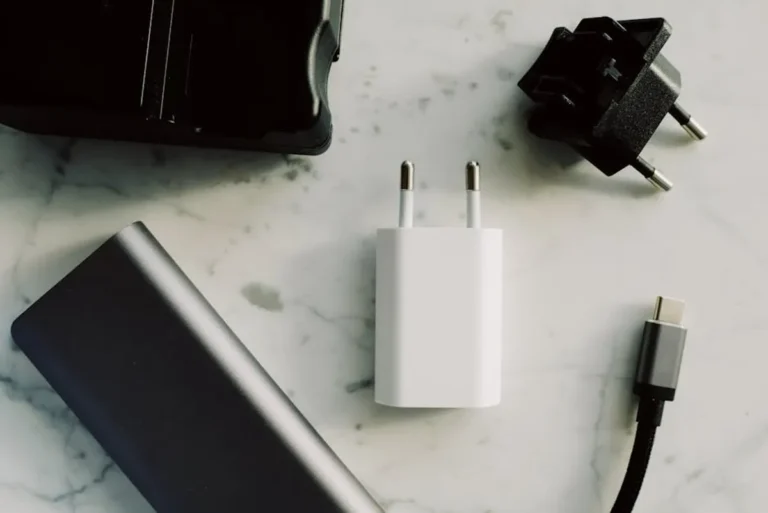
In today's multi-device environment, managing power for smartphones, tablets, laptops, wearables, and other gadgets presents a constant challenge. Individual wall adapters create clutter, consume multiple outlets, and often lack the specific power delivery capabilities required by modern electronics. A dedicated charging station consolidates power, organizes cables, and often provides faster, more efficient charging through advanced ports and protocols like USB Power Delivery (PD) or Quick Charge. Choosing the right charging station involves evaluating power output, port diversity, safety features, and how it integrates into your specific space and workflow. This guide details various charging stations, highlighting their design, functionality, and optimal use cases to help streamline your power management.
What to Look For in a Charging Station
Selecting an effective charging station requires careful consideration of several technical and practical factors. Prioritizing these elements ensures the chosen unit meets both current and future power demands.
- Power Output and Distribution: Assess the total wattage output and how it’s distributed across ports. High-power devices like laptops require USB-C PD ports offering 60W, 100W, or even 140W. Smartphones and tablets typically need 18W to 30W. Ensure the station can deliver adequate power to all devices you intend to charge simultaneously without throttling.
- Port Variety and Quantity: Modern charging stations should include a mix of USB-A (for older accessories), USB-C (for newer devices and PD), and potentially AC outlets for larger electronics. Some models also integrate wireless charging pads. Count the number of each port type needed for your device ecosystem.
- Safety Features: Essential safety protocols include overcharge protection, surge protection, short-circuit prevention, and temperature control. Certifications from recognized bodies (e.g., UL, CE, FCC) indicate adherence to safety standards.
- Cable Management: Effective cable management reduces clutter and enhances aesthetics. Look for features like internal compartments, cable routing channels, or integrated short cables.
- Form Factor and Portability: Consider where the station will be used. Desktop models prioritize stability and multiple ports, while travel-oriented units emphasize compactness, foldable plugs, and international voltage compatibility.
- Build Quality and Materials: Durable plastics, aluminum, or fire-resistant materials contribute to longevity and safety. A stable base is important for preventing accidental tipping, especially with multiple devices connected.
- Smart Features: Some advanced stations offer app control for scheduling charging times, monitoring power consumption, or adjusting LED indicators. While not essential for all users, these features add convenience and control.
- Noise Level: Stations with high power output or cooling fans can sometimes generate audible noise. For quiet environments like bedrooms or offices, seek models specified as silent or passively cooled.
1. PowerHub Pro 120W
The PowerHub Pro 120W positions itself as a comprehensive desktop power solution, designed for users with multiple high-demand devices. It integrates two USB-C Power Delivery ports, each capable of 100W output, alongside two USB-A ports with Quick Charge 3.0, and two traditional AC outlets. Its robust internal power supply ensures consistent, simultaneous delivery across all ports without significant voltage drop, making it suitable for charging laptops, professional tablets, and multiple smartphones concurrently. The unit features a fire-resistant ABS casing and active cooling for sustained high-wattage operation.
Best For: Power users, professional workstations, and environments requiring simultaneous charging of multiple high-wattage devices like laptops and fast-charging smartphones.
Pros:
- Dual 100W USB-C PD ports support fast-charging two laptops simultaneously.
- Includes two AC outlets, expanding its utility beyond just USB-powered devices.
- Active cooling system manages heat effectively during peak loads, preserving component longevity.
- Comprehensive safety features including overcurrent, overvoltage, and short-circuit protection.
Cons:
- Larger desktop footprint compared to compact travel chargers, limiting portability.
- Higher price point reflects its advanced power delivery capabilities and port count.
- Audible fan noise under heavy load, which might be noticeable in very quiet environments.
Verdict: The PowerHub Pro 120W is a high-capacity, feature-rich station that consolidates power for demanding setups. Its ability to handle multiple laptops and professional-grade devices makes it a strong contender for office and home office environments where power efficiency and speed are critical.
2. TravelCharge Duo
The TravelCharge Duo is engineered for mobility, featuring a compact, foldable plug design that minimizes bulk in luggage. It provides two USB-C PD ports, each delivering up to 65W, sufficient for most modern laptops and tablets, along with a single 18W USB-A port for accessories. Its universal voltage compatibility (100-240V) and included international plug adapters make it a versatile companion for global travelers. The casing uses durable, lightweight polycarbonate, designed to withstand the rigors of frequent travel without compromising safety or performance.
Best For: Frequent business travelers, digital nomads, and users requiring a compact, versatile charging solution for multiple devices on the go.
Pros:
- Extremely compact with foldable prongs, optimizing space in travel bags.
- Dual 65W USB-C PD ports can charge two laptops or a laptop and a tablet simultaneously.
- Comes with a set of international plug adapters, ensuring worldwide compatibility.
- Lightweight construction reduces overall travel weight.
Cons:
- Lacks AC outlets, limiting its use to USB-powered devices.
- Total power output is shared, meaning simultaneous high-wattage charging might slightly reduce individual port speeds.
- The 18W USB-A port is adequate for phones but not for faster-charging accessories.
Verdict: For those prioritizing portability and international compatibility without sacrificing significant power, the TravelCharge Duo offers a robust and space-efficient solution. Its dual USB-C PD capability makes it a practical choice for keeping essential devices powered during travel.
3. DeskDock Wireless
The DeskDock Wireless integrates a multi-device wireless charging pad with traditional wired ports, creating an elegant and functional desktop organizer. It features a 15W Qi-compatible wireless pad for smartphones, a 5W pad for wearables, and a dedicated slot for wireless earbuds. Complementing these are two USB-C PD ports (30W each) and two USB-A ports (12W each), all discreetly positioned. The unit's top surface is a smooth, non-slip material, and its internal cable routing system keeps the desk tidy. Its aesthetic design aims to blend seamlessly into modern office or home environments.
Best For: Users seeking a consolidated, aesthetically pleasing charging solution for a mix of wireless and wired devices, ideal for office desks or nightstands.
Pros:
- Integrated multi-device wireless charging for phones, watches, and earbuds simplifies daily power-ups.
- Elegant, minimalist design enhances desktop aesthetics and reduces visual clutter.
- Effective internal cable management system keeps wired connections organized.
- Provides a balance of wireless convenience and essential wired port options.
Cons:
- Wireless charging speeds are generally slower than wired PD connections.
- 30W USB-C PD ports are sufficient for tablets and smaller laptops but not for high-power models.
- Higher cost due to integrated wireless technology and design-focused construction.
Verdict: The DeskDock Wireless excels in environments where aesthetics and convenience are paramount. It’s a practical choice for users who want to declutter their workspace while ensuring all their daily-carry devices are charged efficiently, albeit with some limitations on high-wattage wired charging.
4. EcoCharge Multi
The EcoCharge Multi is positioned as an accessible, environmentally conscious charging station for general home use. It features four USB-A ports (12W each) and two USB-C ports (20W PD each), providing enough capacity for a family's typical array of smartphones and smaller tablets. Constructed from recycled ABS plastic, it emphasizes sustainability without compromising essential safety features like surge protection and overcurrent safeguards. Its compact, upright design minimizes desk space and includes basic cable clips to manage attached cords.
Best For: Budget-conscious families, shared living spaces, and users prioritizing basic, reliable charging for multiple standard devices with an environmental consideration.
Pros:
- Affordable entry point for a multi-port charging solution.
- Utilizes recycled materials in its construction, appealing to eco-conscious consumers.
- Offers a practical mix of USB-A and USB-C ports for diverse devices.
- Compact, upright form factor conserves desk space.
Cons:
- 20W USB-C PD is adequate for phones but insufficient for fast-charging laptops.
- Lacks AC outlets or advanced features like wireless charging.
- Basic cable management system, less sophisticated than premium models.
Verdict: The EcoCharge Multi delivers reliable, foundational charging capabilities for everyday devices at a competitive price. Its commitment to recycled materials offers an added benefit, making it a solid choice for general household use where advanced power delivery isn't the primary concern.
5. CableMaster Organizer
The CableMaster Organizer is specifically designed to eliminate cable clutter through intelligent storage and routing. It features a removable lid that conceals a spacious compartment for excess cable length, while integrated clips guide charging cables neatly to five USB-A ports (15W each) and three USB-C PD ports (45W each). The station’s weighted base ensures stability, and its matte finish resists fingerprints. This design-centric approach prioritizes a clean aesthetic, making it an ideal choice for visible areas like living room tables or reception desks.
Best For: Users prioritizing extreme cable management and a clean aesthetic, ideal for shared spaces, living rooms, or professional environments where presentation matters.
Pros:
- Superior cable management system with a hidden compartment for excess cable length.
- Weighted base provides stability, preventing accidental movement or tipping.
- Sleek, minimalist design integrates well into various decor styles.
- Offers a respectable 45W USB-C PD for mid-range laptops and tablets.
Cons:
- Accessing the cable compartment requires removing the lid, which can be less convenient for frequent cable swaps.
- Higher price point due to its specialized design and robust construction.
- Limited to USB charging; no integrated AC outlets or wireless charging.
Verdict: For those whose primary concern is maintaining an uncluttered, visually appealing charging area, the CableMaster Organizer delivers. Its dedicated cable management features genuinely transform a tangled mess into a tidy power hub, making it a valuable addition to any organized space.
6. PublicPower Station
The PublicPower Station is engineered for high-traffic, public, or commercial environments. Constructed from durable, tamper-resistant aluminum and fire-retardant plastics, it features multiple reinforced AC outlets, two high-speed USB-C PD ports (60W each), and four standard USB-A ports. Each port is individually fused for added safety and reliability in shared use scenarios. The unit can be desk-mounted or securely attached to surfaces, preventing theft and enhancing stability. Its robust build is designed to withstand continuous use and minor impacts, crucial for public installations.
Best For: Cafes, waiting rooms, libraries, retail spaces, and public areas requiring a highly durable, secure, and multi-user charging solution.
Pros:
- Robust, tamper-resistant construction suitable for high-traffic public use.
- Individual port fusing enhances safety and reliability in multi-user environments.
- Offers a mix of AC outlets and high-speed USB ports, accommodating diverse devices.
- Designed for secure mounting, reducing risk of theft or displacement.
Cons:
- Significantly higher cost due to commercial-grade construction and safety features.
- Larger and heavier form factor, not intended for personal portability.
- Design prioritizes utility and durability over aesthetics, which may not suit all private spaces.
Verdict: The PublicPower Station is a specialized solution for commercial and public settings where durability, security, and multi-device charging are paramount. Its industrial-grade construction and safety features justify its higher cost for organizations needing a reliable public charging amenity.
7. SmartGrid Charger
The SmartGrid Charger integrates with smart home ecosystems, offering app-controlled power management. Through a dedicated application, users can schedule charging times, monitor individual port power consumption, and remotely toggle power to specific ports. It features two 60W USB-C PD ports, three 18W USB-A ports, and two smart AC outlets. Its energy monitoring capabilities provide data on usage, allowing users to optimize power consumption. The device connects via Wi-Fi and supports voice assistant integration for hands-free control, adding a layer of convenience to power management.
Best For: Smart home enthusiasts, users who want granular control over their charging schedule, and those interested in monitoring power consumption for energy efficiency.
Pros:
- App control enables remote management, scheduling, and power monitoring for individual ports and AC outlets.
- Integrates with popular smart home platforms and voice assistants for enhanced automation.
- Provides detailed power consumption data, aiding in energy management.
- Offers a solid mix of high-wattage USB-C PD and smart AC outlets.
Cons:
- Requires a stable Wi-Fi connection and app setup, potentially complex for non-tech-savvy users.
- Higher price point due to integrated smart technology.
- Reliance on cloud services for full functionality, raising potential privacy considerations for some users.
Verdict: The SmartGrid Charger transforms a basic power hub into an intelligent energy management tool. Its smart features offer unparalleled control and insight into charging habits, making it an excellent choice for tech-forward users looking to optimize their device charging within a connected home environment.
8. RuggedCharge XP
The RuggedCharge XP is built for extreme conditions, featuring an IP67 water and dust resistance rating, shock-absorbing rubberized casing, and a durable internal battery. It combines a high-capacity 20,000mAh power bank with two 45W USB-C PD ports and two 18W Quick Charge USB-A ports, functioning both as a portable charger and a stationary station when plugged into AC. Its integrated LED flashlight and SOS beacon add emergency utility. The design prioritizes resilience against drops, spills, and harsh environments, making it suitable for outdoor professionals or adventurers.
Best For: Outdoor enthusiasts, construction workers, field technicians, and anyone needing a highly durable, portable charging solution that can withstand harsh environmental conditions.
Pros:
- IP67 rating ensures high resistance to water, dust, and impacts.
- Integrated 20,000mAh power bank provides significant off-grid charging capacity.
- Functions as both a portable power bank and a multi-port charging station.
- Includes emergency features like an LED flashlight and SOS beacon.
Cons:
- Heavier and bulkier than standard charging stations due to rugged construction and internal battery.
- Higher cost reflects its specialized durability and power bank functionality.
- Aesthetics are purely functional, not designed for elegant desktop integration.
Verdict: For users who operate in challenging environments and cannot compromise on device power, the RuggedCharge XP offers unmatched durability and versatility. Its combination of robust protection, substantial battery capacity, and multi-port charging makes it an indispensable tool for reliable power in the field.
9. SlimLine PowerStrip
The SlimLine PowerStrip reimagines the traditional power strip with a low-profile design, making it ideal for tight spaces behind furniture or under desks. It features six widely spaced AC outlets to accommodate bulky adapters, alongside two 30W USB-C PD ports and three 12W USB-A ports. The unit incorporates advanced surge protection (2100 Joules) and EMI/RFI noise filtering to protect connected electronics. Its flat wall plug and thin profile minimize obstruction, ensuring it can be positioned discreetly without interfering with furniture placement.
Best For: Users needing to power and charge devices in constrained spaces, such as behind entertainment centers, under desks, or in small apartments where traditional bulky power strips are impractical.
Pros:
- Ultra-thin profile and flat wall plug allow for discreet placement in tight spaces.
- Widely spaced AC outlets accommodate large power adapters without blocking adjacent ports.
- Robust surge protection (2100 Joules) safeguards connected electronics.
- Offers a practical mix of AC outlets and USB ports for comprehensive power delivery.
Cons:
- USB-C PD ports are limited to 30W, insufficient for fast-charging high-power laptops.
- Cable management is external, relying on user-supplied solutions.
- The long, thin form factor might not be ideal for all desk setups where a compact block is preferred.
Verdict: The SlimLine PowerStrip is an excellent solution for maximizing power access in space-constrained environments. Its thoughtful design addresses common frustrations with bulky power strips, providing a clean, protected, and accessible power hub where others would not fit.
10. ZenCharge Pad
The ZenCharge Pad prioritizes minimalist design and simplicity for users who value aesthetics and a clutter-free environment. It features a single, fast 15W Qi-compatible wireless charging pad for smartphones and one 60W USB-C PD port, allowing for simultaneous wireless phone charging and fast-wired charging of a laptop or tablet. The unit is constructed from a premium aluminum alloy with a fabric-covered top, presenting a sophisticated, unobtrusive presence on any desk or nightstand. Its focus is on essential, high-speed charging without unnecessary frills.
Best For: Design-conscious individuals, minimalist workspaces, and users who primarily need to charge a smartphone wirelessly and one high-power device via USB-C.
Pros:
- Exceptional minimalist design with premium materials (aluminum, fabric) for a high-end aesthetic.
- Fast 15W wireless charging pad for compatible smartphones.
- Dedicated 60W USB-C PD port is capable of fast-charging most laptops and tablets.
- Extremely small footprint, ideal for decluttering.
Cons:
- Limited port selection (one wireless, one USB-C PD) restricts the number of devices charged simultaneously.
- No USB-A ports for older accessories.
- Higher cost due to premium materials and design focus.
Verdict: The ZenCharge Pad is a niche product for users who prioritize sleek design and essential, high-speed charging for a limited number of devices. It excels in creating a refined, uncluttered charging experience, making it a statement piece for minimalist setups.
11. FamilyCharge Hub
The FamilyCharge Hub is designed for shared household use, emphasizing durability, child-safe features, and a mix of power options for diverse family devices. It includes four 12W USB-A ports, two 20W USB-C PD ports, and two standard AC outlets, all housed in a robust, non-slip base. The unit