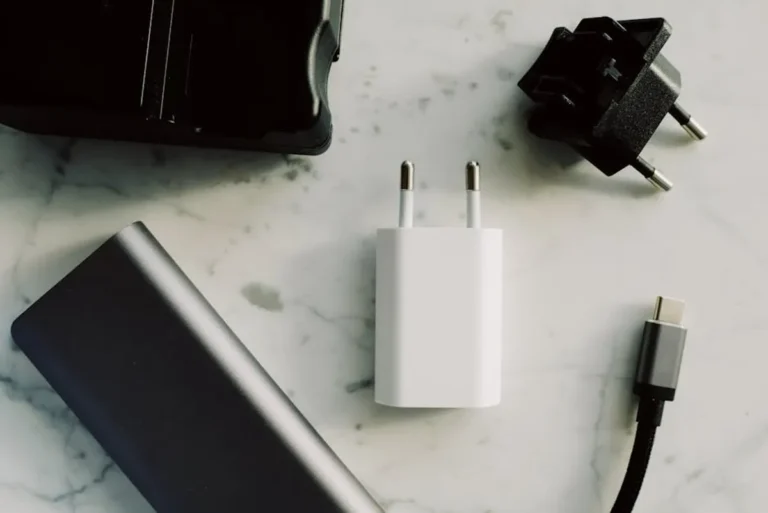

Navigating the increasingly complex landscape of consumer electronics requires a structured approach. Without a clear framework, buyers often succumb to impulse purchases, overlook critical specifications, or invest in devices that fail to meet their long-term needs. This checklist provides a methodical guide, ensuring each gadget acquisition is a considered decision, aligning with your requirements and maximizing your investment.
Pre-Purchase Research
Define Your Core Need
Before exploring product categories, articulate the primary problem the gadget intends to solve. Is it for productivity, entertainment, communication, or a specific creative task? For instance, someone needing a laptop for video editing has fundamentally different requirements (processor, RAM, dedicated GPU) than someone needing one for email and web browsing. Pinpointing this core function prevents feature bloat and overspending on capabilities you won't use. Consider the specific applications or software you intend to run, as these often dictate minimum hardware requirements.
Set a Realistic Budget
Establish a clear spending limit early in the process. This isn't just about the initial purchase price; factor in potential accessory costs (cases, chargers, cables, stands), subscription services, and extended warranty options. A realistic budget helps narrow down choices, preventing analysis paralysis from an overwhelming number of options across various price points. Be prepared to allocate more for devices that are central to your daily workflow or offer significant long-term value through durability and support.
Understand Key Specifications
Technical specifications are more than just numbers; they directly translate to performance and user experience. For a smartphone, screen type (OLED vs. LCD), refresh rate (60Hz vs. 120Hz), processor generation, and battery capacity are crucial. For smart home devices, compatibility protocols (Zigbee, Z-Wave, Wi-Fi, Matter) and integration capabilities with existing ecosystems are paramount. Focus on the specifications directly relevant to your defined core need, rather than getting sidetracked by marketing jargon or irrelevant metrics. Use independent tech review sites to decipher what specific specifications mean for real-world usage.
Evaluating Options
Read Diverse Reviews
Relying on a single source for product evaluation can lead to biased perspectives. Consult a variety of sources:
- Professional Review Sites: Offer in-depth technical analysis and benchmark testing. Look for sites known for objective, repeatable testing methodologies.
- User Reviews: Provide insights into long-term ownership, common frustrations, and unexpected benefits. Pay attention to recurring themes across multiple reviews, both positive and negative.
- Comparison Articles/Videos: Directly pit competing models against each other, highlighting strengths and weaknesses side-by-side.
Filter out extreme opinions and focus on detailed feedback that addresses functionality, durability, and customer support experiences.
Consider Ecosystem Compatibility
Many modern gadgets are designed to work within specific ecosystems (e.g., Apple, Google, Amazon, Samsung SmartThings). Before purchasing, assess how a new device will integrate with your existing technology. Will it seamlessly connect with your current smartphone, smart home hub, or cloud services? Compatibility issues can lead to fragmented experiences, reduced functionality, and increased frustration. Prioritize devices that enhance your current setup rather than creating isolated islands of technology.
Assess Longevity and Support
A gadget's true value extends beyond its initial performance. Research the manufacturer's track record for software updates, security patches, and customer support. Devices from reputable brands often receive longer-term support, ensuring they remain secure and functional for years. Investigate the availability of spare parts and repair services. A device that can be easily repaired or supported for an extended period often represents a better long-term investment than a cheaper, unsupported alternative.
Pro Tip: Always check for firmware updates immediately after purchase. Manufacturers often release critical patches addressing security vulnerabilities or improving performance shortly after a product's initial launch. Installing these ensures your new gadget is operating at its optimal, most secure state from day one.
The Purchase Decision
Check Return Policies and Warranties
Even with thorough research, a gadget might not meet expectations once in hand. Understand the retailer's return policy, including the return window, condition requirements, and any restocking fees. Furthermore, familiarize yourself with the manufacturer's warranty terms. Know what is covered, for how long, and the process for making a claim. A robust return policy and warranty provide peace of mind and protection against unforeseen defects or dissatisfaction.
Compare Retailers
Prices for the same gadget can vary significantly across different retailers, both online and brick-and-mortar. Beyond the sticker price, compare shipping costs, delivery times, customer service reputation, and any bundled offers or loyalty programs. Some retailers might offer extended warranty options or exclusive discounts that add value beyond the initial purchase price. Use price comparison tools, but always verify the retailer's legitimacy and customer service track record before committing.
Post-Purchase Considerations
Initial Setup and Testing
Upon receiving your new gadget, resist the urge to immediately discard packaging. Thoroughly inspect the device for any physical damage. Follow the manufacturer's setup instructions carefully, and immediately test all core functionalities. This includes charging, connecting to networks, testing all ports, and verifying software performance. Identifying issues early, within the return window, simplifies resolution.
Data Security and Privacy
For any internet-connected gadget, prioritize security. Change default passwords, enable two-factor authentication where available, and review privacy settings. Understand what data the device collects and how it is used. Install necessary security updates promptly. For devices handling sensitive information, consider additional encryption or secure storage solutions. Proactive security measures protect your personal data and prevent unauthorized access.
Making Informed Gadget Investments
Adopting a systematic approach to gadget buying transforms a potentially overwhelming task into an empowering one. By defining needs, researching thoroughly, evaluating options critically, and understanding post-purchase responsibilities, you move beyond impulse decisions. This structured methodology ensures each new device genuinely enhances your life, offering long-term utility and satisfaction, rather than becoming another unused item in a drawer.
Frequently Asked Questions
When is the best time to buy gadgets?
Major sales events like Black Friday, Cyber Monday, Amazon Prime Day, and post-holiday clearances often present significant discounts. New models are typically released in spring and fall, leading to price drops on previous generations. Timing your purchase around these cycles can yield substantial savings.
How long should I expect a new gadget to last?
The lifespan varies by device type and usage. Smartphones and laptops generally have a functional lifespan of 3-5 years before performance significantly degrades or software support ends. Smaller accessories or smart home devices might last longer, often 5-7 years, depending on their complexity and manufacturer support.
Is an extended warranty worth the cost?
Extended warranties can be beneficial for high-value, complex devices prone to mechanical failure, like laptops or high-end cameras. For less expensive gadgets or those with simple mechanics, the cost often outweighs the potential benefit. Review your credit card benefits, as some cards automatically extend manufacturer warranties.
How can I ensure my personal data is secure on a new device?
Always change default passwords, enable two-factor authentication, and review privacy settings during initial setup. Keep the device's operating system and applications updated to receive the latest security patches. For devices that store sensitive information, consider using encryption and secure backup solutions.