Smart home is full of products that promise convenience but deliver complexity. After years of installing, testing, and frequently uninstalling smart home devices, the patterns are clear about which categories produce real daily-life improvements and which don't. Here are 6 device categories that have earned permanent installation, and 4 that I've removed despite initial enthusiasm.
The 6 that worked
1. Smart thermostat (Ecobee or Nest)
The category that most consistently produces value across smart home users. Energy savings are real, comfort is improved through better scheduling, and remote control matters for travel.
What it actually does: learns occupancy patterns, adjusts temperature accordingly, allows remote control. Saves typically 10-15% on heating/cooling costs.
Why worth it: daily passive value with no engagement required. Set up once, runs in background, produces savings continuously.
2. Smart locks (August or Schlage Encode)
Practical improvement to daily life through eliminating key dependence and enabling remote access for guests, deliveries, family.
What it actually does: opens locks via app or code. Enables temporary access codes for service workers, guests, family.
Why worth it: daily convenience plus genuine functional improvements (no lockouts, no key copying needed).
3. Smart lighting (Hue or comparable) for specific rooms
Not for every room — but for rooms where lighting changes throughout the day (living room, bedroom), smart lighting produces real quality-of-life improvement.
What it actually does: adjustable lighting through app or voice. Scheduling for daily routines. Color temperature changes for time of day.
Why worth it: the right lighting for the moment is genuinely better than fixed lighting. The setup investment pays off in daily use.
4. Robot vacuum (Roborock or comparable)
Daily floor cleaning without effort. The technology has matured to the point where the vacuums actually work reliably.
What it actually does: vacuums and (in newer models) mops floors on schedule. Maps house layouts. Empties itself in models with dock.
Why worth it: floors stay cleaner with no daily effort. The cumulative time saved across years is substantial.
5. Smart smoke/CO detector (Nest Protect)
Safety improvement that integrates with broader smart home. Notifications when away from home, integration with other safety responses.
What it actually does: detects smoke and CO; notifies via app; integrates with other smart home responses (smart lights, etc.).
Why worth it: safety category where the marginal cost over standard detectors produces real value.
6. Smart plug for a few specific use cases
Not for every device — but for specific use cases (lamp scheduling, vacation lighting, appliance scheduling), smart plugs produce real value with minimal investment.
What it actually does: turns connected devices on/off via app or schedule.
Why worth it: low cost, specific functional value for matched use cases.
The 4 I removed
1. Smart fridge
The smart fridge I installed had cameras, screens, and various connected features. Used the smart features for about 3 weeks. They added complexity without solving problems I actually had.
The basic refrigerator function worked well. The smart features were marketing without practical benefit for me.
What I do instead: regular refrigerator. The smart features I missed: none.
2. Smart blinds
Installed motorized blinds for several windows. Used them frequently for the first month, occasionally for the next two months, rarely after that.
Manual blinds work fine. The automation was novel briefly and irrelevant in sustained use.
What I do instead: manual blinds with regular use.
3. Voice assistants in every room
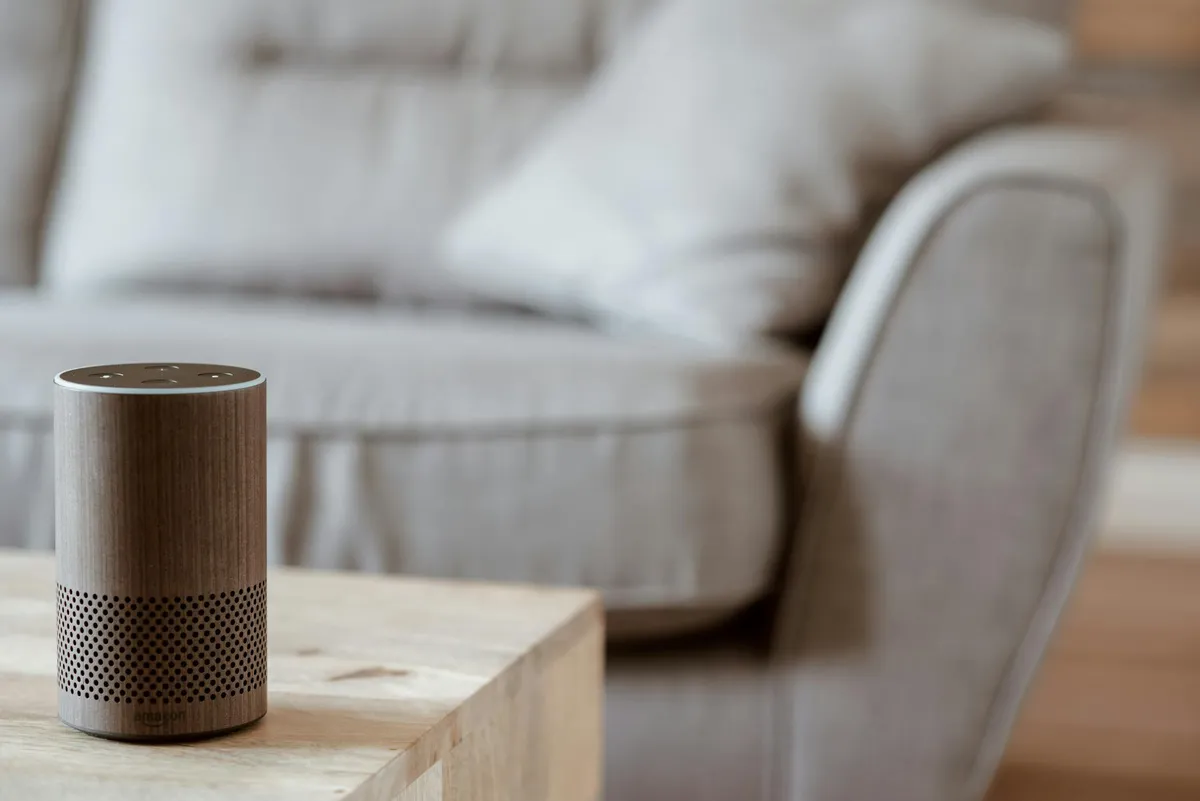
Started with Echo devices in multiple rooms. Found that the actual use was concentrated in two rooms (kitchen, bedroom). The other devices were mostly idle.
Reduced to two devices in the rooms where they actually got used. The reduction simplified the setup without losing functionality.
What I do instead: voice assistants in only the rooms where they earn use.
4. Smart appliances (washer, dryer, dishwasher with apps)
The "smart" features on major appliances mostly didn't produce value. Notifications when cycles complete are nice but not essential. Remote control rarely solved actual problems.
Used the smart features for the first few weeks, ignored them after.
What I do instead: standard appliances. The smart features added cost without producing proportionate value.
The pattern under what worked
The smart home devices that earned permanent installation share characteristics:
- Daily use. The devices operate continuously without requiring engagement.
- Genuine value over non-smart alternatives. The smart version is meaningfully better than the basic version, not just different.
- Simple to set up and maintain. Devices that require ongoing configuration tend to get abandoned.
- Reliable. Devices that work consistently get used; devices that fail occasionally get removed.
What didn't work
The devices that didn't earn permanent installation share opposite characteristics:
- Novelty value that fades after initial use
- Smart features that don't solve actual problems
- Setup complexity that exceeds the value provided
- Premium pricing for marginal improvement over non-smart alternatives
The buying framework
For smart home purchases:
- Start with the categories that consistently produce value. Thermostats, locks, lighting in specific rooms, robot vacuums.
- Try one category at a time. Don't install everything at once.
- Use the device for at least 60 days before evaluating. The novelty period's engagement isn't representative.
- Be willing to remove what doesn't earn its place. Sunk cost shouldn't justify continued use.
- Avoid the "smart everything" trap. Some devices benefit from smart features; many don't.
The takeaway
Smart home is genuinely useful in specific categories. The 6 above produce daily value across years; the 4 I removed didn't.
For your own smart home decisions, start with proven categories and expand selectively. The discipline produces a smart home that actually improves life rather than one that just adds complexity.