Most smartphone reviews focus on launch-day specifications. After using 8 different phones across a year — switching primary phones every 6-8 weeks — I have a clearer picture of what actually matters in daily use versus what the spec sheets emphasize.
The phones I used
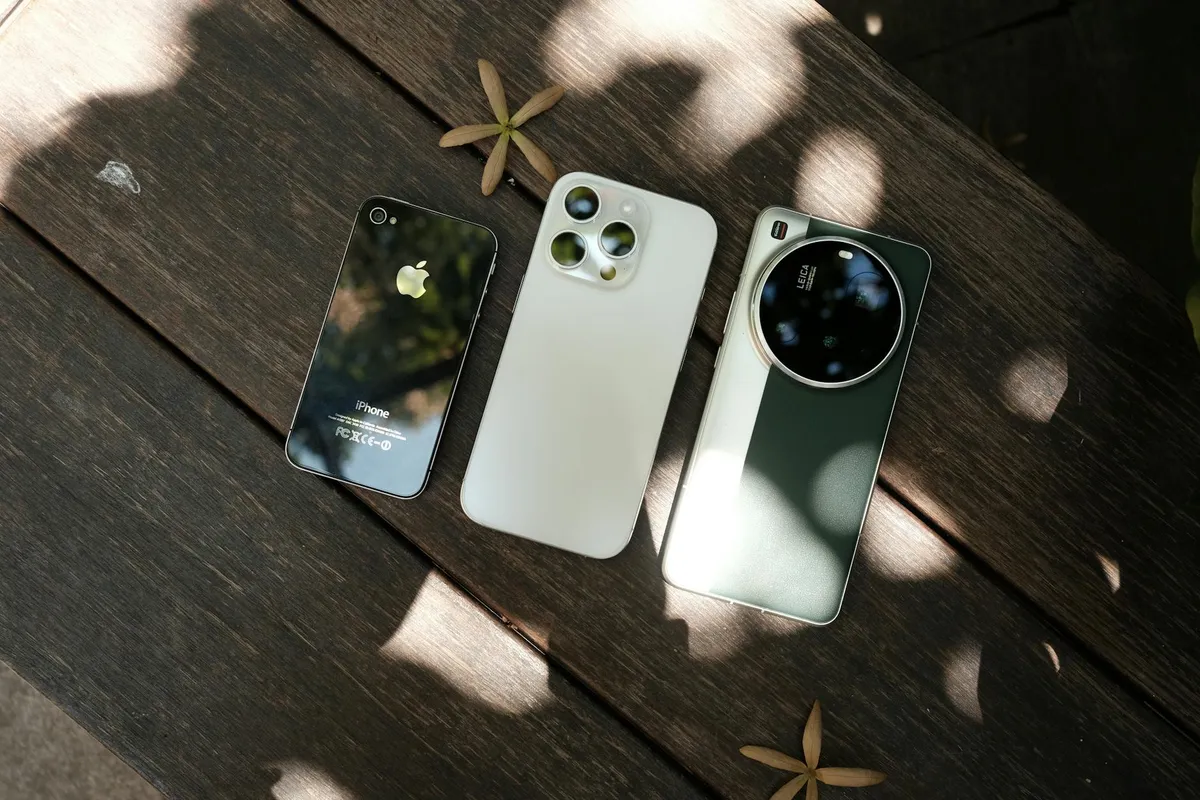
Across the year: iPhone 15 Pro, iPhone 15, Pixel 8 Pro, Pixel 8, Galaxy S24 Ultra, Galaxy S24, OnePlus 12, Nothing Phone 2. Mix of premium and mid-tier across both major operating systems.
What actually mattered in daily use
1. Battery life past 18 months
The launch-day battery life is rarely the actual battery life of the phone you'll use. Within 12-18 months, most phones lose 15-25% of capacity. The phones that started with great battery (5000mAh+) had usable battery at 18 months; the phones that started borderline became frustrating.
The launch reviews almost never address this. The 18-month battery life is the actual battery life that matters.
2. Software updates over years, not just spec sheet
The phones that received consistent software updates produced longer useful lives than phones that didn't. iPhones excelled here (5+ year support typical). Pixel and Samsung have both improved (7-year support promised on recent flagships). Many other Android phones still get only 2-3 years of meaningful updates.
For phones intended for long use, the update commitment matters more than launch-day specs.
3. Camera in good light vs. low light
All modern flagship cameras produce excellent photos in good light. The differences emerge in challenging conditions — low light, fast motion, mixed lighting. The phones that work well in difficult conditions are the ones worth the camera-driven price premium.
The launch reviews focus on staged conditions; the actual life conditions reveal the cameras' real character.
4. Build quality over time
Glass backs scratch and crack. Aluminum sides dent. Buttons stick. The phones that maintain their physical condition across 12-18 months are noticeably different from phones that visibly degrade.
Premium phones generally maintain better. Mid-tier phones vary substantially. The cheapest premium materials sometimes outlast more-expensive premium materials due to specific design choices.
5. App ecosystem stability
iOS apps generally maintained stability across the year of use. Android apps showed more variation — some apps got better, some got worse, some disappeared entirely. The platform difference in app stability is real and affects daily use.
What didn't matter as much as launch reviews suggested
1. Maximum benchmark performance
The phones with the highest benchmarks weren't noticeably faster in daily use than mid-tier phones. The difference between "fast" and "extremely fast" is invisible in normal app use, web browsing, communication.
The benchmark gap matters for specific use cases (mobile gaming, video editing) but not for typical phone use.
2. Camera megapixel counts
Phones with 200MP cameras don't produce visibly better photos than phones with 50MP cameras. The processing matters far more than the raw pixel count. The marketing-driven megapixel race largely doesn't affect what photos look like.
3. Refresh rate above 90Hz
The difference between 60Hz and 90Hz is noticeable. The difference between 90Hz and 120Hz is hard to notice. The 120Hz+ rates that drive battery cost don't produce proportional visual benefit.
4. Specific charging speed differences
40W vs 65W vs 100W charging — the differences are noticeable but not life-changing. All modern fast charging is adequate; the spec-sheet competition for highest watts doesn't produce proportional user benefit.
5. Storage beyond 256GB for most users
For most phone users, 256GB is sufficient. The premium for 512GB or 1TB rarely produces value proportional to cost. Cloud backup eliminates the local storage pressure that justified larger storage in earlier phone generations.
The phones that earned permanent rotation
Of the 8, three earned places I'd return to:
iPhone 15 Pro — for users in the Apple ecosystem who want the longest software support and the best build quality. The premium pricing is largely justified for users who keep phones 3+ years.
Pixel 8 Pro — for Android users who prioritize camera quality and clean software. The 7-year update commitment makes the phone viable for long-term use.
OnePlus 12 — for users wanting flagship features at lower cost. The price-to-performance ratio is excellent though software support window is shorter.
The phones that didn't
The other 5 phones were fine but didn't earn replacement-purchase consideration:
The base-model iPhone 15 was solid but the Pro's extra features were worth the price difference for me.
The Galaxy phones were powerful but the software experience didn't match Apple/Pixel for my preferences.
The Nothing Phone was interesting but lacked the camera quality I needed.
The base Pixel was fine but didn't differentiate enough from the Pro at the price difference.
The buying advice that emerged
For someone buying a phone now:
- Pick your operating system based on ecosystem fit (existing devices, family devices, app preferences). Switching ecosystems has real friction.
- Within the OS choice, pick based on the camera (if photo quality matters), battery (if all-day use matters), and software support length (if long ownership matters).
- Skip the premium tier features that don't affect your actual use case (highest benchmarks, fastest charging, max storage).
- Plan for 3-4 year ownership; pick a phone that will still serve you in year 3.
The takeaway
Smartphone reviews focus heavily on launch-day specifications. The factors that actually matter in daily use across years differ substantially from launch coverage. The 5 things that mattered (battery longevity, software updates, real-condition cameras, build quality, app ecosystem) should drive purchase decisions more than benchmark scores or megapixel counts.
For your next smartphone purchase, weight these factors over the launch coverage. The phones you'll actually want to keep are the ones that still work well in year 3.