The Android phone landscape in 2026 will present a complex choice, driven by accelerated innovation in AI, camera technology, and sustainable design. Manufacturers are increasingly differentiating their flagships not just on raw processing power, but on integrated AI capabilities that enhance everything from photography to battery management and user interface predictions. The market will continue to segment, offering highly specialized devices for creators, gamers, productivity users, and those prioritizing durability or environmental impact.
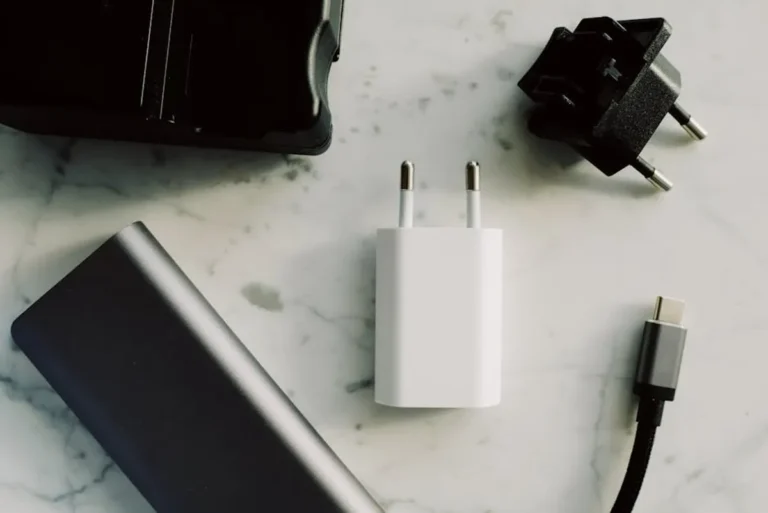
This guide evaluates the top Android phones anticipated for 2026, focusing on their projected technological advancements, design philosophies, and target demographics. We cut through marketing claims to assess what truly matters: sustained performance, practical utility, and long-term value in a rapidly evolving ecosystem. Our selections are based on current industry trajectories, patent filings, and manufacturer commitments, projecting how these brands will likely position their offerings two years from now. When considering these new devices, it's also wise to invest in reliable wireless charging solutions to keep them powered up effortlessly.
What to Look For in a 2026 Android Phone
Choosing an Android phone in 2026 extends beyond comparing spec sheets. The integration of advanced AI, the durability of new materials, and the longevity of software support will be critical differentiators. Consider these factors:
Integrated AI Capabilities
Beyond simple voice assistants, 2026 Android phones will feature deeply integrated on-device AI. Look for chipsets with dedicated neural processing units (NPUs) that handle complex tasks locally, from real-time language translation and advanced photo processing to proactive system optimization and personalized user experiences. This on-device AI reduces latency, enhances privacy, and operates more efficiently than cloud-dependent solutions.
Advanced Camera Systems
Expect multi-sensor arrays to become standard, with larger main sensors, improved optical zoom capabilities, and computational photography that leverages AI for superior low-light performance, dynamic range, and video stabilization. Periscope lenses for extended optical zoom, variable aperture lenses, and advanced video codecs will be key features for photography enthusiasts and content creators.
Battery Efficiency and Charging Innovation
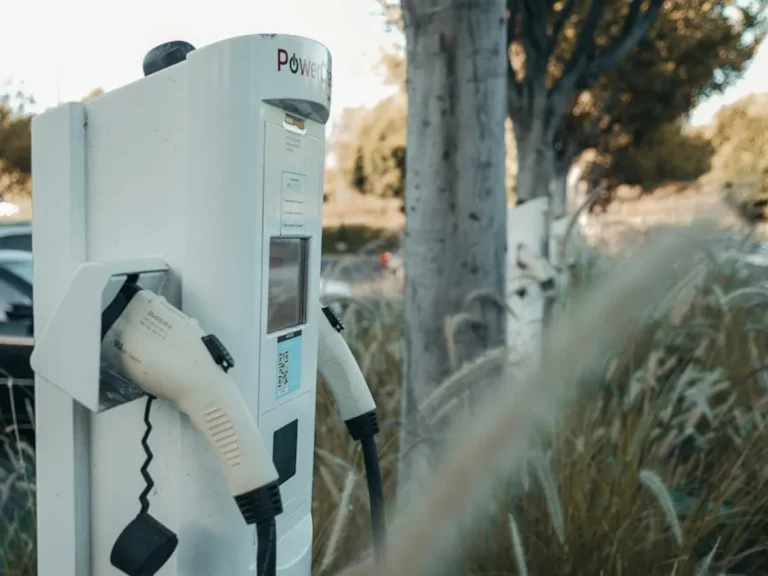
While battery capacity remains important, the focus shifts to overall system efficiency. This includes more power-efficient chipsets, adaptive refresh rate displays (LTPO 3.0+), and optimized software. Charging speeds will continue to increase, with 150W+ wired charging becoming more common, alongside enhanced wireless charging capabilities and potentially reverse wireless charging for accessories.
Display Technology and Durability
AMOLED panels with higher peak brightness, improved color accuracy, and adaptive refresh rates up to 144Hz will be standard. Durability will see advancements with new generations of ceramic shields or strengthened glass, alongside higher IP ratings for water and dust resistance. Foldable displays will offer improved crease resistance and more robust hinge mechanisms, becoming a more mainstream form factor.
Software Longevity and Ecosystem Integration
Manufacturers are extending software update commitments, with some offering five to seven years of OS and security updates. This impacts the phone's usable lifespan. Additionally, seamless integration with other devices (wearables, tablets, smart home) within the same brand's ecosystem or across broader Android standards will enhance productivity and convenience.
Sustainability and Repairability
A growing number of consumers prioritize environmentally conscious design. Look for phones incorporating recycled materials, modular components designed for easier repair, and commitments to reducing electronic waste. Some brands will offer extended spare parts availability and self-repair kits.
1. Samsung Galaxy S26 Ultra
Samsung's 2026 flagship will likely push the boundaries of mobile photography and display technology. Anticipate a refined design with an even more robust Armor Aluminum frame and a new generation of Gorilla Glass Victus or an equivalent. The S26 Ultra will integrate Samsung's most advanced Exynos or Qualcomm's next-gen Snapdragon chipset, heavily optimized for on-device AI tasks, particularly in image processing and real-time language translation. Its camera system will feature a high-megapixel main sensor with enhanced low-light capabilities, a dual-periscope telephoto setup offering unprecedented optical zoom ranges, and significant advancements in 8K video capture with improved stabilization.
Best for: Professional photographers, power users demanding cutting-edge technology, and those prioritizing a vibrant, feature-rich display for media consumption and productivity.
Pros:
- Industry-leading camera versatility with extended optical zoom.
- Brightest and most color-accurate Dynamic AMOLED display with adaptive refresh.
- Advanced AI features for photography, productivity, and system optimization.
- Robust build quality and premium materials.
- Extensive software update commitment.
Cons:
- Premium price point will remain a barrier for many.
- Physical size and weight may be cumbersome for some users.
- Proprietary software enhancements can sometimes duplicate Android's native functions.
Verdict: The Galaxy S26 Ultra will serve as the benchmark for Android flagships, offering a comprehensive suite of features that justify its high cost for users who demand the absolute best in every category, especially camera performance and display quality.
2. Google Pixel 9 Pro
The Pixel 9 Pro in 2026 will double down on Google's strength: artificial intelligence and computational photography, driven by the latest Tensor G6 chip. This device will likely feature an even deeper integration of generative AI across the entire user experience, from advanced photo editing capabilities like object manipulation and scene reconstruction to proactive contextual assistance and personalized notifications. The camera hardware, while perhaps not boasting the highest megapixel count, will leverage Google's software algorithms to produce consistently excellent results across diverse lighting conditions, focusing on natural color reproduction and advanced video stabilization. Expect a clean, intuitive Android experience with immediate access to the latest OS features and extended software support.
Best for: Photography enthusiasts, users prioritizing a pure Android experience with cutting-edge AI features, and those who value prompt software updates and long-term support.
Pros:
- Unrivaled computational photography and AI-driven features.
- Clean, unadulterated Android experience with rapid updates.
- Excellent low-light photography and video capabilities.
- Advanced on-device AI for privacy and performance.
- Strong software update commitment.
Cons:
- Battery life, while improved, may not match some competitors under heavy use.
- Hardware design tends to be functional rather than overtly premium.
- Tensor chip performance, while optimized for AI, might trail pure gaming benchmarks.
Verdict: The Pixel 9 Pro will be the phone for those who want the smartest Android experience, where software and AI elevate every interaction, especially photography, above raw hardware specifications.
3. OnePlus 14 Pro
OnePlus will continue its trajectory of offering high-performance flagships with a focus on speed and a refined user experience. The OnePlus 14 Pro in 2026 is expected to feature a top-tier Snapdragon chipset, paired with ample RAM and storage, making it a powerhouse for gaming and multitasking. Its OxygenOS, built on Android, will maintain its reputation for being fast, fluid, and customizable, with minimal bloatware. The display will be a high-refresh-rate AMOLED panel, possibly reaching 144Hz, providing an exceptionally smooth visual experience. Camera performance, developed in partnership with Hasselblad, will continue to improve, focusing on natural color science and quick capture speeds, though perhaps not reaching the versatility of the S26 Ultra.
Best for: Performance enthusiasts, mobile gamers, and users who prioritize a fast, responsive, and clean software experience without excessive customization.
Pros:
- Exceptional raw performance for gaming and demanding applications.
- Rapid wired charging technology, potentially exceeding 150W.
- Smooth, near-stock Android experience with OxygenOS.
- High refresh rate display for fluid visuals.
- Competitive pricing relative to other flagships.
Cons:
- Camera system, while good, may not be class-leading in all scenarios.
- Wireless charging speeds might lag behind some competitors.
- Software update commitment, while good, might not match Google or Samsung.
Verdict: The OnePlus 14 Pro will be the go-to for users who value uncompromised speed, a clean software interface, and rapid charging, offering a compelling flagship experience without always matching the absolute top-tier camera or AI features.
4. Xiaomi 16 Ultra
Xiaomi's 2026 Ultra model will likely continue its aggressive push into premium photography and rapid charging. The Xiaomi 16 Ultra will feature a massive main camera sensor, potentially exceeding 1-inch, coupled with advanced Leica co-engineered optics and a sophisticated multi-lens array including an ultra-wide and multiple telephoto options. Its display will be a top-tier AMOLED panel with extreme brightness and color accuracy. Performance will be driven by the latest Snapdragon chip, and Xiaomi will likely push the envelope with absurdly fast wired charging (e.g., 200W+) and competitive wireless charging. The MIUI software will offer extensive customization and features, though it can sometimes feel less streamlined than stock Android.
Best for: Photography enthusiasts seeking maximum hardware potential, users who prioritize ultra-fast charging, and those who appreciate extensive software customization options.
Pros:
- Potentially industry-leading camera hardware and Leica tuning.
- Extremely fast wired and wireless charging capabilities.
- Vibrant, high-resolution display with excellent brightness.
- Powerful processor for demanding tasks.
- Competitive pricing for its feature set.
Cons:
- MIUI can be feature-rich but may present a steeper learning curve or occasional bloat.
- Global software update consistency can vary by region.
- Design, while premium, might prioritize camera bulk.
Verdict: The Xiaomi 16 Ultra will be a technical marvel, particularly for its camera and charging prowess, appealing to users who want cutting-edge specifications and are comfortable with a highly customized Android experience.
5. Oppo Find X7 Pro
The Oppo Find X7 Pro in 2026 will likely focus on refined design, advanced imaging co-developed with Hasselblad, and innovative charging solutions. Expect a sleek, premium build with unique colorways and materials. Its camera system will emphasize natural color science and portrait photography, utilizing a custom NPU for enhanced image processing and AI capabilities. Oppo's charging technology, SuperVOOC, will continue to deliver some of the fastest speeds available. The ColorOS software, based on Android, offers a balance of customization and fluidity, with a strong focus on user privacy and security features. Display quality will be a highlight, with a bright, color-accurate AMOLED panel.
Best for: Users who value sophisticated design, advanced but natural-looking photography, and industry-leading fast charging in a premium package.
Pros:
- Elegant design and premium build materials.
- Excellent camera system with Hasselblad tuning for natural output.
- Among the fastest wired charging solutions available.
- Refined ColorOS software experience.
- Vibrant and accurate display.
Cons:
- Availability in certain regions can be limited.
- Software updates, while consistent, might not be as frequent as Google's.
- Price point will be at the higher end of the market.
Verdict: The Oppo Find X7 Pro will appeal to discerning users seeking a balanced flagship experience that excels in design, photography, and charging, presenting a strong alternative to the more mainstream options.
6. Vivo X100 Pro+
Vivo's 2026 flagship, the X100 Pro+, will continue its focus on extreme photography capabilities, particularly in low-light and portrait scenarios, leveraging its partnership with ZEISS. This phone will feature a bespoke imaging chip alongside the primary Snapdragon processor, dedicated to real-time image processing and AI enhancements. Its camera module will house large sensors and advanced optical stabilization, potentially including gimbal-like stabilization for video. Design will be premium, often incorporating unique textures and materials. Vivo's Funtouch OS offers a customizable experience, with a strong emphasis on media consumption and gaming performance, thanks to optimized software and powerful hardware.
Best for: Mobile photographers who prioritize low-light performance, cinematic video, and advanced portrait modes, alongside users seeking a premium multimedia experience.
Pros:
- Exceptional low-light and portrait photography with ZEISS optics.
- Dedicated imaging chip for superior photo and video processing.
- Premium design and build quality.
- Strong performance for gaming and demanding applications.
- Fast charging capabilities.
Cons:
- Funtouch OS can be polarizing for those accustomed to stock Android.
- Global availability and software support might be less widespread.
- The camera module can be physically prominent.
Verdict: The Vivo X100 Pro+ will be the choice for users who consider their smartphone primarily a high-end camera, offering specialized imaging capabilities that rival dedicated compact cameras, wrapped in a powerful and premium device.
7. Motorola Razr 2026
The Motorola Razr 2026 will likely solidify its position as a stylish and functional foldable, refining the clamshell design with improved hinge durability and a more seamless internal display. Expect a larger, more interactive external display for quick access to notifications, widgets, and even full apps without opening the phone. Internally, it will feature a mid-to-high-range Snapdragon processor, offering solid performance for daily tasks and moderate gaming. Motorola's near-stock Android experience, enhanced with practical gestures and "My UX" features, will remain a key selling point. The camera system will focus on versatility and convenience, leveraging the foldable form factor for unique shooting angles.
Best for: Fashion-conscious users, those seeking a compact yet expansive device, and individuals who appreciate a clean Android experience with practical foldable innovations.
Pros:
- Highly portable and pocketable clamshell design.
- Large, functional external display for quick interactions.
- Near-stock Android experience with useful Motorola enhancements.
- Improved hinge durability and crease reduction.
- Competitive pricing within the foldable segment.
Cons:
- Camera performance, while improved, may not rival traditional flagships.
- Battery life might still be a compromise due to the form factor.
- Durability of the foldable screen, though enhanced, requires careful handling.
Verdict: The Motorola Razr 2026 will be the most compelling clamshell foldable for those who prioritize style, portability, and a unique user experience, offering a more mature and durable design than previous iterations.
8. Asus ROG Phone 9
The Asus ROG Phone 9 in 2026 will continue to cater specifically to mobile gamers, offering unparalleled performance and specialized gaming features. It will house the most powerful version of Qualcomm's Snapdragon chip, paired with advanced cooling systems (both passive and active, potentially with external accessories) to sustain peak performance during extended gaming sessions. Key features include a high refresh rate AMOLED display (likely 165Hz or higher) with a low touch latency, programmable AirTriggers for console-like controls, and a massive battery with rapid charging. The software will be optimized for gaming, with a dedicated X-Mode for performance tuning and a comprehensive accessory ecosystem.
Best for: Serious mobile gamers, esports enthusiasts, and users who demand absolute peak performance and dedicated gaming features from their smartphone.
Pros:
- Industry-leading gaming performance and sustained power.
- Ultra-high refresh rate display with low touch latency.
- Advanced cooling solutions prevent throttling.
- Dedicated gaming features and accessory ecosystem.
- Large battery capacity for extended play sessions.
Cons:
- Camera system is functional but not a primary focus.
- Bulky design and aggressive aesthetics may not appeal to all users.
- Software updates might be slower compared to mainstream flagships.
Verdict: The Asus ROG Phone 9 will be the definitive choice for mobile gamers, offering a purpose-built device that prioritizes raw power, cooling, and gaming-specific enhancements above all else.
9. Sony Xperia 1 VI
Sony's Xperia 1 VI in 2026 will maintain its niche appeal to content creators and photography/videography enthusiasts. It will feature a unique 21:9 aspect ratio 4K OLED display, providing an immersive viewing experience and an ideal canvas for cinematic content. The camera system, developed with Sony's Alpha camera division, will offer advanced manual controls, real-time autofocus tracking for both photo and video, and superior low-light performance. Expect a dedicated shutter button and robust video recording capabilities, including external monitor support and professional-grade color profiles. Performance will be flagship-tier, and Sony's software experience is typically clean and close to stock Android.
Best for: Professional photographers, videographers, and content creators who require precise manual controls, a high-resolution cinematic display, and advanced camera features.
Pros:
- Unique 4K OLED display with 21:9 aspect ratio.
- Professional-grade camera controls and video features.
- Excellent real-time autofocus tracking.
- Clean, near-stock Android software experience.
- Dedicated physical shutter button.
Cons:
- High price point and limited market availability.
- Battery life, while improved, can be challenged by the 4K display.
- Design is often utilitarian, lacking some premium flair.
Verdict: The Sony Xperia 1 VI will remain the specialists' choice, offering unparalleled control and features for creators who want their smartphone to function as a powerful, pocketable camera and video production tool.
10. Nothing Phone (4)
The Nothing Phone (4) in 2026 will continue to differentiate itself through unique transparent design elements and the Glyph Interface, which will likely see further evolution in functionality and customization. It will aim for a balanced performance, likely featuring a strong mid-range to upper-mid-range Snapdragon or MediaTek Dimensity chip, offering a smooth user experience without the absolute top-tier flagship price. Nothing OS, a minimalist and refined take on Android, will be a key draw, focusing on fluid animations and efficient performance. Camera performance will be solid for its price segment, with an emphasis on consistent results and a distinctive visual style.
Best for: Users seeking a unique aesthetic, a clean and minimalist Android experience, and a balanced feature set at a competitive price point, with a focus on design and user interface.
Pros:
- Distinctive transparent design with an evolved Glyph Interface.
- Clean, fast, and minimalist Nothing OS.
- Balanced performance for daily tasks and moderate gaming.
- Competitive pricing for its feature set.
- Solid camera performance for its segment.
Cons:
- Raw performance won't match true flagships.
- Camera system may lack advanced zoom or low-light capabilities of higher-end devices.
- Limited availability in some markets.
Verdict: The Nothing Phone (4) will be a compelling option for those who want a smartphone that stands out visually and offers a refined, bloatware-free Android experience without breaking the bank on absolute top-tier specifications.
11. Fairphone 6
The Fairphone 6 in 2026 will continue its mission as the most sustainable and repairable Android phone on the market. It will feature a modular design that allows users to easily replace components like the battery, camera, and display, extending its lifespan significantly. Fairphone will prioritize ethically sourced and recycled materials in its construction. While not a performance powerhouse, it will offer a capable mid-range processor, a clean Android experience with a commitment to long-term software updates (potentially 7+ years), and a focus on essential functionality. Its camera system will be adequate for general use, with improvements driven by software processing rather than cutting-edge hardware.
Best for: Environmentally conscious consumers, users prioritizing repairability and longevity, and those who value ethical manufacturing practices above raw performance or flagship camera features.
Pros:
- Unmatched repairability and modular design.
- Commitment to ethically sourced and recycled materials.
- Industry-leading software update longevity.
- Clean Android experience.
- Reduces electronic waste.
Cons:
- Performance will be mid-range, not flagship-tier.
- Camera system is functional but not competitive with high-end devices.
- Design prioritizes modularity over sleek aesthetics.
- Higher price than similarly spec'd non-sustainable phones.
Verdict: The