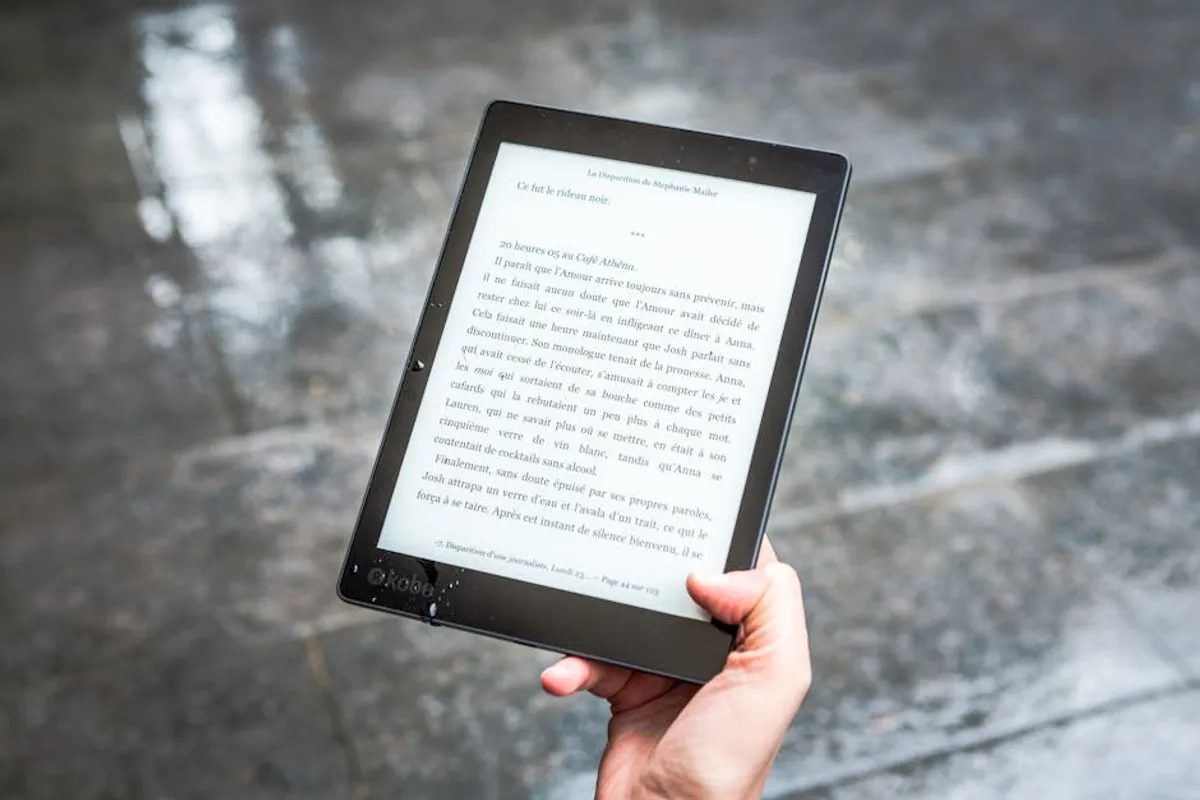
Selecting an e-reader involves more than just picking a device; it means choosing a portal to your reading life, balancing convenience, ecosystem compatibility, and specific feature needs. The market offers a range of options, from dedicated devices designed for pure textual immersion to versatile tablets with E Ink displays that bridge the gap between reading and productivity. Your ideal e-reader hinges on how you read, what you read, and where you read. Consider factors like screen technology, device size, access to content libraries, and additional functionalities such as note-taking or audiobook playback. This guide details leading e-readers, highlighting their distinct attributes to help you align a device with your personal reading habits.
What to Look For in an E-Reader
Before committing to an e-reader, understanding key specifications and features is crucial for a satisfactory experience. Focusing on these elements will help narrow down choices:
- E Ink Display Technology: The foundation of all dedicated e-readers, E Ink (electrophoretic ink) screens mimic the appearance of printed paper. They are reflective, meaning they use ambient light, reduce glare, and consume minimal power, contributing to extended battery life. Look for E Ink Carta or E Ink Kaleido (for color) for sharper text and faster page turns.
- Screen Resolution and Size: Higher pixel density (measured in PPI – pixels per inch) results in crisper text, akin to a high-quality print. Common resolutions range from 167 PPI to 300 PPI. Screen sizes typically vary from 6 inches for portability to 10.3 or 13.3 inches for larger documents or note-taking.
- Frontlight and Color Temperature: Most modern e-readers include an adjustable frontlight for reading in low-light conditions. Advanced models offer color temperature adjustment (warmth settings), which reduces blue light exposure and can improve comfort during evening reading.
- Battery Life: E-readers are known for their long battery life, often lasting weeks on a single charge, largely due to the low power consumption of E Ink displays. Actual longevity depends on usage of frontlight, Wi-Fi, and page turns.
- Content Ecosystem: The e-reader you choose often dictates your primary content source. Amazon's Kindle ecosystem offers a vast store and seamless integration with Prime Reading and Kindle Unlimited. Kobo devices support a wide range of file formats and integrate with OverDrive for public library access. Barnes & Noble's Nook platform serves its proprietary store.
- File Format Support: While most e-readers handle common formats like EPUB and PDF, some are more versatile. Kindle primarily uses its proprietary AZW format, though it supports PDF and TXT. Kobo devices are generally more open with EPUB support. For academic or professional use, strong PDF reflow and annotation capabilities are essential.
- Waterproofing: Many contemporary e-readers feature IPX-rated waterproofing, providing protection against accidental splashes or immersion, making them suitable for reading by the pool or in the bath.
- Storage Capacity: E-books are small files, so even 8GB of storage can hold thousands of books. Larger capacities (16GB, 32GB, or more) are beneficial if you plan to store audiobooks, graphic novels, or many large PDF files.
- Stylus Support and Note-Taking: Some e-readers integrate stylus support, transforming them into digital notebooks. This feature is particularly useful for students, professionals, or anyone who frequently annotates texts or sketches ideas.
1. Kindle Paperwhite
The Kindle Paperwhite consistently serves as a benchmark for the modern e-reader, occupying a strategic position between entry-level simplicity and premium features. It strikes a balance between screen quality, portability, and essential functionalities, making it a reliable choice for the majority of casual and avid readers. Its design prioritizes comfort during extended reading sessions, and its integration within Amazon's content ecosystem provides immediate access to a vast library.
Best for: General readers seeking a balanced, waterproof e-reader with a sharp screen and extensive content access.
Pros:
- 300 PPI E Ink Display: Delivers crisp text and images, closely mimicking a printed page, which reduces eye strain over long periods.
- Adjustable Warm Light: Allows users to shift the screen's color tone from white to amber, reducing blue light exposure for more comfortable nighttime reading.
- IPX8 Waterproofing: Provides protection against immersion in fresh water, enabling worry-free reading in baths, by pools, or at the beach.
- USB-C Charging: Modern connectivity standard offers convenience and faster charging compared to older micro-USB ports.
Cons:
- Amazon Ecosystem Lock-in: Primarily supports Amazon's proprietary formats, requiring conversion for EPUB files, which can be an inconvenience for users with extensive non-Kindle libraries.
- No Physical Page Turn Buttons: Relies solely on touch gestures for navigation, which some users find less intuitive or ergonomic than physical buttons.
Verdict: The Kindle Paperwhite remains a robust choice for its blend of essential features and value, offering a high-quality reading experience without unnecessary complexities, particularly for those invested in the Amazon content platform.
2. Kobo Libra 2
The Kobo Libra 2 distinguishes itself by combining a comfortable, ergonomic design with a strong commitment to open file formats and public library integration. It targets readers who value physical page-turn buttons and prefer not to be tied to a single content ecosystem. Its asymmetrical shape, designed for single-hand holding, and robust waterproofing make it a versatile companion for varied reading environments.
Best for: Readers who prioritize physical page-turn buttons, open file format support, and direct public library access via OverDrive.
Pros:
- Physical Page-Turn Buttons: Offers tactile feedback and an alternative to touch-screen navigation, enhancing comfort during extended reading.
- OverDrive Integration: Built-in functionality allows direct borrowing of e-books from public libraries, bypassing the need for third-party apps.
- Broad File Format Support: Natively supports EPUB, EPUB3, PDF, MOBI, JPEG, GIF, PNG, BMP, TIFF, TXT, HTML, RTF, CBZ, CBR, and audiobooks, providing flexibility for diverse content libraries.
- ComfortLight PRO: Features adjustable brightness and color temperature, allowing for personalized lighting conditions that reduce eye strain.
Cons:
- Kobo Ecosystem: While more open than Kindle, it still primarily directs users to the Kobo Store, which may not have the same breadth as Amazon's.
- Slightly Heavier: At 215g, it is marginally heavier than some similarly sized competitors, which could be a factor for prolonged one-handed reading.
Verdict: For readers seeking an e-reader with a focus on ergonomics, physical controls, and unparalleled library access, the Kobo Libra 2 offers a compelling alternative to Amazon's ecosystem, providing a versatile and comfortable reading experience.
3. Kindle Oasis
The Kindle Oasis represents Amazon's premium e-reader offering, distinguished by its asymmetric design, physical page-turn buttons, and an adaptive frontlight. Its construction emphasizes a luxurious feel and ergonomic comfort, particularly for one-handed use. While it retains the core Kindle ecosystem, its design choices cater to readers who prioritize a refined reading experience and are willing to invest in advanced features.
Best for: Premium e-reader users seeking an ergonomic design, physical page-turn buttons, and adaptive lighting for a high-end reading experience.
Pros:
- Ergonomic Design with Physical Buttons: The tapered design and integrated page-turn buttons facilitate comfortable one-handed reading, with automatic screen rotation for left or right-hand use.
- Adaptive Frontlight: Automatically adjusts screen brightness and color temperature based on ambient lighting conditions, reducing eye strain in varying environments.
- Premium Build Quality: Features an aluminum back, providing a more robust and sophisticated feel compared to plastic-bodied e-readers.
- 7-inch 300 PPI Display: Offers a slightly larger screen than the Paperwhite, with the same high resolution for sharp text.
Cons:
- Higher Price Point: Positioned as a luxury device, its cost is significantly higher than most other e-readers, which may not justify the added features for all users.
- Micro-USB Charging: Uses an older charging standard, contrasting with the more modern USB-C found on newer devices.
Verdict: The Kindle Oasis delivers an exceptional, comfortable reading experience with its premium design and adaptive lighting, making it ideal for dedicated readers who prioritize ergonomics and advanced display features, despite its higher cost and older charging port.
4. Kobo Sage
The Kobo Sage is a flagship e-reader that integrates note-taking capabilities and audiobook playback into a premium reading device. Its larger, high-resolution screen and stylus support position it as a hybrid tool for both extensive reading and active annotation. It maintains Kobo's commitment to open formats and public library access, appealing to users who require more than just passive reading from their device.
Best for: Advanced readers and students who need a larger screen, note-taking functionality, and comprehensive file format support, including audiobooks.
Pros:
- 8-inch E Ink Carta 1200 Display: Provides a larger reading area with improved contrast and faster page turns, enhancing the experience for complex documents or graphic novels.
- Kobo Stylus Support: Enables direct annotation on e-books and PDFs, as well as dedicated notebook functionality for freehand writing and drawing.
- OverDrive and Dropbox Integration: Seamlessly borrow library books and transfer files, including notes, via cloud storage.
- Audiobook Support: Connects via Bluetooth to wireless headphones or speakers, allowing for audiobook playback.
Cons:
- Shorter Battery Life: The larger screen, faster processor, and additional features (like stylus and audio) can lead to a shorter battery life compared to simpler e-readers.
- Stylus Sold Separately: The Kobo Stylus, essential for note-taking, is an additional purchase, increasing the overall investment.
Verdict: The Kobo Sage excels as a versatile e-reader for those who demand more than just reading, offering a large, responsive screen for both content consumption and active engagement through note-taking and audiobook playback, albeit with a trade-off in battery longevity.
5. Nook GlowLight 4e
The Nook GlowLight 4e serves as Barnes & Noble's entry-level e-reader, focusing on simplicity and affordability while retaining core functionalities. It provides a straightforward reading experience with physical page-turn buttons and an adjustable frontlight. Designed primarily for access to the Nook Store's content, it appeals to users who prefer a basic, no-frills device and are comfortable within the Barnes & Noble ecosystem.
Best for: Budget-conscious readers seeking a simple, reliable e-reader with physical page-turn buttons and access to the Nook Store.
Pros:
- Physical Page-Turn Buttons: Offers tactile control for navigation, a feature often preferred by traditional book readers.
- Affordable Price Point: Positions itself as a cost-effective option, making e-reading accessible without a significant investment.
- Comfortable Design: Its compact size and soft-touch finish contribute to a comfortable grip for extended reading sessions.
- Adjustable GlowLight: Provides illumination for reading in various lighting conditions, ensuring readability day or night.
Cons:
- Lower Resolution Display: Features a 212 PPI screen, which is lower than many competitors, resulting in slightly less crisp text.
- Limited Ecosystem: Primarily tied to the Barnes & Noble Nook Store, offering less flexibility for content acquisition compared to Kobo.
- No USB-C: Uses the older micro-USB charging port, which is less convenient than the modern USB-C standard.
Verdict: The Nook GlowLight 4e is a practical choice for new e-reader users or those on a budget who value simplicity and physical controls, providing direct access to the Nook content library despite its lower resolution and older connectivity standard.
6. Kobo Clara 2E
The Kobo Clara 2E is positioned as an eco-conscious and compact e-reader, emphasizing sustainability through its construction from recycled materials. It offers a sharp, waterproof display with adjustable color temperature, providing a premium reading experience in a portable form factor. This device appeals to environmentally aware readers who desire a feature-rich e-reader without the larger footprint or higher cost of flagship models.
Best for: Environmentally conscious readers desiring a compact, waterproof e-reader with adjustable warm light and Kobo's broad file support.
Pros:
- Sustainable Design: Constructed from over 85% recycled plastics, including 10% ocean-bound plastic, appealing to eco-conscious consumers.
- 6-inch 300 PPI E Ink Carta 1200 Display: Delivers sharp, high-contrast text and faster page turns in a portable size.
- IPX8 Waterproofing: Provides protection against water immersion, making it suitable for diverse reading environments.
- ComfortLight PRO: Offers adjustable brightness and color temperature, optimizing reading comfort and reducing eye strain.
Cons:
- No Physical Page-Turn Buttons: Navigation relies entirely on touch gestures, which may not be preferred by all users.
- Smaller Screen Size: While portable, the 6-inch screen may feel restrictive for readers accustomed to larger displays or those reading PDFs.
Verdict: The Kobo Clara 2E is a strong contender for readers prioritizing portability and environmental responsibility, delivering a high-quality, waterproof reading experience with Kobo's versatile content access in a compact and sustainable package.
7. Kindle Scribe
The Kindle Scribe marks Amazon's entry into the large-screen, note-taking e-reader market, combining a substantial E Ink display with stylus functionality. It aims to bridge the gap between a dedicated e-reader and a digital notebook, leveraging the Kindle ecosystem for content access while introducing features for active engagement with texts. Its focus is on providing a distraction-free environment for both reading and writing.
Best for: Readers and professionals who need a large-screen e-reader for extensive document review, annotation, and digital note-taking within the Kindle ecosystem.
Pros:
- 10.2-inch 300 PPI E Ink Display: Offers a significantly larger screen for comfortable reading of textbooks, PDFs, and comics, with crisp text.
- Included Stylus (Basic or Premium Pen): Enables direct writing, drawing, and annotation on books, PDFs, and dedicated notebooks, providing a paper-like feel.
- Kindle Ecosystem Integration: Seamless access to a vast library of e-books and easy transfer of documents for annotation.
- Adjustable Warm Light: Provides customizable illumination for reading and writing in various lighting conditions.
Cons:
- Limited Note-Taking Features: While functional, its note-taking capabilities are less advanced than dedicated digital notebooks, lacking features like handwriting-to-text conversion or diverse pen types.
- Higher Price Point: As a premium device with a large screen and stylus, it represents a substantial investment.
- No Waterproofing: Unlike many other Kindle models, the Scribe does not feature an IPX rating for water resistance.
Verdict: The Kindle Scribe is a compelling option for those who need a large-format e-reader primarily for reading and occasional annotation within the Amazon ecosystem, though users prioritizing advanced note-taking might find its features somewhat limited compared to specialized devices.
8. Onyx Boox Leaf2
The Onyx Boox Leaf2 distinguishes itself by running a full Android operating system, offering unparalleled flexibility in terms of app support and content sources. This open approach allows users to install various reading apps, cloud storage services, and web browsers, transforming the device into a highly customizable e-reader. Available in both black (with physical buttons) and white (without buttons) versions, it caters to different ergonomic preferences.
Best for: Tech-savvy readers who require an open Android ecosystem for installing third-party reading apps, advanced customization, and access to diverse content platforms.
Pros:
- Open Android System: Allows installation of virtually any Android app, including Kindle, Kobo, Libby, Google Play Books, and more, offering maximum content flexibility.
- Physical Page-Turn Buttons (Black Version): Provides tactile controls for navigation, a feature often preferred for comfortable reading.
- Expandable Storage via MicroSD: Offers the ability to significantly increase storage capacity, ideal for large libraries or multimedia files.
- Lightweight and Portable: Its compact design makes it easy to carry for on-the-go reading.
Cons:
- Steeper Learning Curve: The Android interface and customization options can be more complex than the streamlined interfaces of dedicated e-readers.
- Less Polished Software: While functional, the software experience may not be as refined