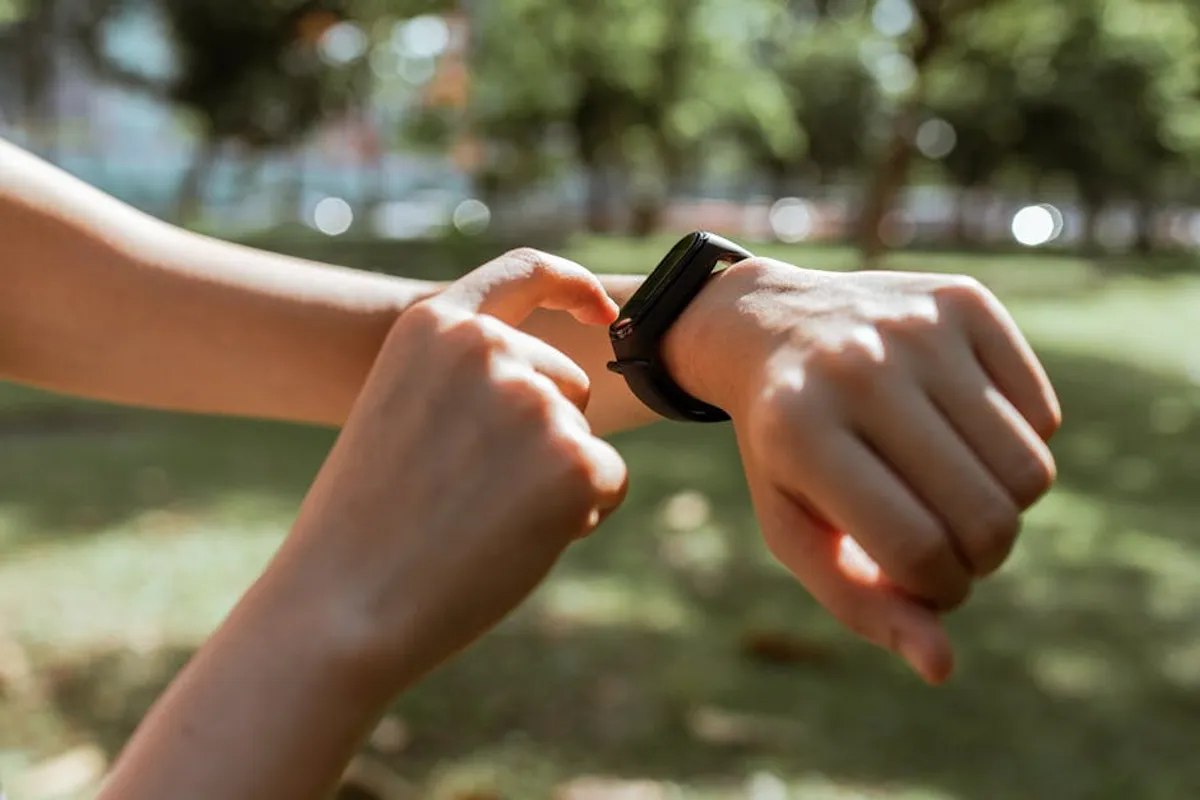
Selecting a fitness tracker requires a precise assessment of individual needs against a device’s capabilities. The market offers a spectrum of options, from advanced smartwatches with comprehensive health monitoring to specialized activity bands designed for specific athletic pursuits. This guide details leading fitness trackers, analyzing their core functionalities, target users, and practical implications to inform a commercially sound decision for personal health and performance tracking.
How to Choose the Right Fitness Tracker
The optimal fitness tracker aligns directly with your primary use case and lifestyle. Consider these factors before committing:
- Tracking Accuracy: Heart rate, step count, sleep stages, and GPS data vary in precision across devices. Athletes require medical-grade accuracy, while general users may prioritize consistency over absolute exactitude. Optical heart rate sensors, for example, perform differently during high-intensity interval training versus steady-state cardio.
- GPS Functionality: Integrated GPS is critical for outdoor activities like running, cycling, or hiking without a smartphone. Devices relying on connected GPS (using your phone’s GPS) are less autonomous and can drain phone battery faster. Assess if standalone GPS is a necessity for your training environment.
- Battery Life: This ranges from several days to multiple weeks. Smartwatches with vibrant displays and extensive smart features typically require daily or bi-daily charging. Dedicated fitness bands or hybrid watches often offer extended battery life, suitable for multi-day trips or users who prefer infrequent charging.
- Display Type and Readability: AMOLED screens offer vibrant colors and high contrast, ideal for quick information glances. E-ink or monochrome displays conserve battery and are often more legible in direct sunlight, albeit with less visual flair. Consider your typical viewing conditions.
- Smart Features and Ecosystem: Beyond fitness, many trackers offer smartphone notifications, contactless payments, music control, and app integrations. Evaluate the importance of these conveniences and ensure compatibility with your existing smartphone ecosystem (iOS, Android).
- Comfort and Design: A tracker worn constantly must be comfortable. Strap material, device weight, and overall bulk impact daily wearability. Design aesthetics also play a role, from discreet rings and hybrid watches to rugged sports-specific devices.
- Data Ecosystem and App Experience: The companion app is where data is analyzed and insights are presented. Look for intuitive interfaces, clear data visualization, and actionable feedback. Some ecosystems offer advanced training metrics, recovery insights, or social features that enhance the user experience.
1. Apple Watch Series 9
The Apple Watch Series 9 stands as a benchmark for integrated health and fitness tracking within the Apple ecosystem. It combines advanced sensor technology, including a blood oxygen sensor, ECG app, and temperature sensing, with a robust suite of smart features. Its S9 SiP chip enhances on-device processing for Siri requests and health data, providing a seamless and responsive user experience. The bright, always-on Retina display ensures data is accessible at a glance, while its comprehensive app store extends functionality beyond native capabilities.
Best for: iPhone users seeking a premium, feature-rich smartwatch with comprehensive health monitoring, seamless ecosystem integration, and a wide array of third-party applications.
Pros:
- Deep integration with iOS and Apple Health for centralized data management.
- High accuracy for heart rate, ECG, and blood oxygen measurements.
- Extensive smart features including notifications, calls, payments, and app support.
- Robust fitness tracking for diverse activities with automatic workout detection.
- Temperature sensing for cycle tracking and sleep insights.
Cons:
- Limited battery life (typically 18 hours), requiring daily charging.
- Exclusive to iPhone users, incompatible with Android devices.
- Higher price point compared to dedicated fitness trackers.
- Subscription required for some advanced fitness services (e.g., Apple Fitness+).
Verdict: The Apple Watch Series 9 is the most versatile option for iPhone owners prioritizing a holistic health and smart device experience, despite its daily charging requirement.
2. Garmin Forerunner 965
The Garmin Forerunner 965 targets serious runners and triathletes, offering an AMOLED display and titanium bezel while maintaining Garmin’s renowned accuracy and comprehensive training metrics. It provides multi-band GPS for superior location tracking, extensive physiological measurements like training readiness, HRV status, and real-time stamina. Detailed performance analytics, recovery advisors, and preloaded maps support rigorous training and race day execution. Its robust battery life surpasses most smartwatches, making it suitable for endurance events.
Best for: Dedicated endurance athletes, runners, and triathletes who require advanced training metrics, precise GPS, and multi-day battery life for performance optimization.
Pros:
- Exceptional multi-band GPS accuracy for precise distance and pace tracking.
- Extensive battery life (up to 23 days in smartwatch mode, 31 hours with GPS).
- Advanced physiological metrics including training load, recovery time, and race predictor.
- High-resolution AMOLED display for clear data visualization.
- Preloaded maps for navigation during outdoor activities.
Cons:
- Higher cost of entry.
- Bulkier form factor compared to more discreet trackers.
- Smart features are less comprehensive than general-purpose smartwatches.
- Learning curve for navigating the extensive menu system.
Verdict: The Forerunner 965 is an elite training companion for athletes who demand granular data and reliable performance tracking for competitive pursuits.
3. Fitbit Charge 6
The Fitbit Charge 6 refines Fitbit’s core offering, providing a compact yet feature-rich experience focused on daily activity, sleep tracking, and heart health. It integrates Google services like Maps and Wallet, enhancing its utility beyond fitness. With a bright AMOLED display and up to 7 days of battery life, it balances usability with longevity. Its strength lies in accessible health metrics, including ECG and EDA scans for stress management, paired with a user-friendly app and a supportive community feature.
Best for: General fitness enthusiasts, individuals focused on daily activity and sleep patterns, and those seeking basic smart features within a comfortable, discreet form factor.
Pros:
- Compact and lightweight design, comfortable for 24/7 wear.
- Excellent sleep tracking and stress management features (EDA sensor).
- Integrated ECG app for heart rhythm assessment.
- Up to 7 days of battery life.
- Google Maps and Google Wallet integration for added convenience.
Cons:
- Connected GPS only, requiring a smartphone for accurate distance tracking outdoors.
- Limited smart features compared to full smartwatches.
- Some advanced metrics and insights require a Fitbit Premium subscription.
- Display can be small for some users.
Verdict: The Charge 6 offers a balanced approach to everyday health tracking, providing essential data and convenient smart features without the bulk or cost of a full smartwatch.
4. Samsung Galaxy Watch 6 Classic
The Samsung Galaxy Watch 6 Classic merges traditional watch aesthetics with advanced smartwatch capabilities, featuring a rotating bezel for intuitive navigation. Powered by Wear OS, it offers a broad app ecosystem, Google Assistant, and Samsung Health integration. Its comprehensive health suite includes ECG, body composition analysis, and advanced sleep coaching. The device excels in providing a seamless experience for Android users, particularly those with Samsung smartphones, leveraging their ecosystem for enhanced functionality.
Best for: Android smartphone users, especially Samsung owners, who desire a stylish smartwatch with robust health tracking, comprehensive smart features, and a classic watch design.
Pros:
- Classic design with a physical rotating bezel for easy navigation.
- Powered by Wear OS, granting access to a vast app library.
- Comprehensive health monitoring including ECG, body composition, and advanced sleep tracking.
- Seamless integration with Android phones, especially Samsung devices.
- Bright, vibrant AMOLED display.
Cons:
- Limited battery life (around 30 hours), often requiring daily charging.
- Full functionality often requires a Samsung smartphone.
- Higher price point.
- Some health features are not available in all regions.
Verdict: For Android users valuing both sophisticated design and extensive smart health capabilities, the Galaxy Watch 6 Classic delivers a polished and integrated experience.
5. WHOOP 4.0
WHOOP 4.0 operates on a subscription model, providing continuous physiological monitoring with an emphasis on recovery, sleep, and strain. Unlike traditional trackers, it lacks a screen, focusing purely on data collection and analysis presented through its companion app. Its advanced sensors track heart rate variability (HRV), skin temperature, blood oxygen, and sleep stages, delivering personalized insights into daily readiness and optimal training zones. The subscription-based service provides ongoing algorithm updates and coaching features.
Best for: Athletes and individuals prioritizing recovery and detailed physiological insights over real-time metrics, willing to commit to a subscription model for continuous, in-depth analysis.
Pros:
- Screenless design promotes focus on internal metrics rather than external distractions.
- Exceptional accuracy for heart rate, HRV, and sleep stage tracking.
- Provides actionable insights into recovery, strain, and sleep optimization.
- Flexible wearing options (wrist, bicep, apparel integration).
- Continuous updates and coaching through the subscription service.
Cons:
- Requires an ongoing monthly subscription, increasing long-term cost.
- No real-time display of metrics on the device itself.
- Not suitable for users who prefer a traditional watch interface or smart features.
- No integrated GPS.
Verdict: WHOOP 4.0 is a specialized tool for those committed to understanding and optimizing their body's recovery and performance through continuous, data-driven feedback.
6. Oura Ring Gen3 Horizon
The Oura Ring Gen3 Horizon offers discreet health tracking in a minimalist ring form factor. It focuses primarily on sleep quality, recovery, and readiness scores, utilizing advanced sensors for heart rate, heart rate variability, skin temperature, and blood oxygen. Its non-invasive design allows for continuous wear without the bulk of a wrist-worn device. The companion app provides detailed insights and personalized recommendations, emphasizing long-term health trends over real-time workout metrics. A monthly membership unlocks its full suite of features.
Best for: Individuals prioritizing discreet, continuous sleep and recovery tracking, seeking long-term health insights without a traditional wrist-worn device, and comfortable with a subscription model.
Pros:
- Extremely discreet and comfortable design, wearable 24/7.
- Highly accurate sleep stage tracking and readiness scores.
- Monitors heart rate, HRV, skin temperature, and blood oxygen.
- Excellent battery life (up to 7 days).
- Provides actionable insights for optimizing sleep and recovery.
Cons:
- Requires a monthly membership for full feature access.
- No screen or real-time feedback on the device.
- Limited real-time workout tracking compared to wrist-worn devices.
- Not suitable for all finger sizes or preferences.
Verdict: The Oura Ring is an ideal choice for those who value unobtrusive, accurate sleep and recovery data, offering insights that can significantly impact daily well-being and performance.
7. Amazfit GTR 4
The Amazfit GTR 4 provides a strong value proposition, combining a large AMOLED display, integrated GPS, and extensive sports modes with a multi-week battery life. It offers comprehensive health monitoring, including heart rate, blood oxygen, and stress levels, powered by its BioTracker 4.0 PPG optical sensor. The device supports over 150 sports modes with automatic recognition and offers dual-band, 6-satellite positioning for enhanced outdoor tracking accuracy. Its Zepp OS provides a user-friendly interface and access to a growing app ecosystem.
Best for: Budget-conscious users seeking a feature-rich smartwatch with long battery life, integrated GPS, and comprehensive health tracking without the premium price tag of established brands.
Pros:
- Exceptional battery life (up to 14 days with typical use).
- Integrated dual-band GPS for accurate outdoor activity tracking.
- Large, vibrant AMOLED display.
- Comprehensive health monitoring (HR, SpO2, stress) and 150+ sports modes.
- Affordable price point for its feature set.
Cons:
- Smart features are less developed than leading smartwatches (e.g., limited third-party app support).
- Heart rate accuracy can be inconsistent during high-intensity workouts.
- Companion app experience can feel less polished than competitors.
- No NFC for contactless payments in all regions.
Verdict: The Amazfit GTR 4 delivers an impressive array of features for its price, making it a compelling choice for users who prioritize battery life and core fitness tracking over advanced smartwatch functionalities.
8. Withings ScanWatch 2
The Withings ScanWatch 2 is a hybrid smartwatch that blends classic analog watch design with advanced health monitoring capabilities. It features medical-grade sensors for ECG, continuous body temperature tracking, and blood oxygen saturation (SpO2), providing a comprehensive health overview. Its discreet PMOLED display shows notifications and health metrics, while its impressive 30-day battery life minimizes charging interruptions. The focus is on proactive health management and long-term trend analysis rather than real-time workout data.
Best for: Individuals prioritizing medical-grade health monitoring and a classic watch aesthetic, seeking discreet tracking with exceptional battery life, and less emphasis on real-time workout metrics.
Pros:
- Elegant, classic analog watch design with discreet digital display.
- Medical-grade ECG and continuous body temperature tracking.
- Exceptional battery life (up to 30 days).
- Blood oxygen saturation (SpO2) monitoring.
- Water resistant for swimming.
Cons:
- Limited real-time workout data and display.
- Connected GPS only, requiring a phone for outdoor route tracking.
- Smart features are basic compared to full smartwatches.
- Higher price point for a hybrid device.
Verdict: The ScanWatch 2 appeals to those who value sophisticated health insights and a traditional timepiece, offering a unique blend of style and medical-grade tracking.
9. COROS PACE 3
The COROS PACE 3 is a lightweight, GPS-enabled running watch designed for athletes seeking reliable performance tracking without unnecessary bulk. It offers dual-frequency GPS for enhanced accuracy, multi-day battery life, and a comprehensive suite of running metrics, including power from the wrist. Its transflective always-on display is highly visible in direct sunlight, and its intuitive interface provides easy access to training data. The COROS ecosystem focuses on detailed training analysis and recovery insights through its app.
Best for: Runners and multi-sport athletes who prioritize lightweight design, accurate GPS, long battery life, and essential training metrics for performance improvement.
Pros:
- Extremely lightweight and comfortable for running.
- Dual-frequency GPS for superior accuracy in challenging environments.
- Excellent battery life (up to 24 days in smartwatch mode, 38 hours with standard GPS).
- Wrist-based running power measurement.
- Transflective always-on display for outdoor visibility.
Cons:
- Limited smart features beyond notifications.
- Display lacks the vibrancy of AMOLED screens.
- Focuses primarily on running and multi-sport; less general health tracking.
- Interface can be less intuitive for first-time users compared to mainstream brands.
Verdict: The COROS PACE 3 is a highly capable and cost-effective choice for runners who need dependable GPS and training data in a minimalist package.
10. Polar Vantage V3
The Polar Vantage V3 is a premium multi-sport watch designed for serious athletes and coaches, offering advanced physiological tracking and training analysis. It introduces a high-resolution AMOLED display, dual-frequency GPS, and an updated Bio-sensing platform with ECG, SpO2, and skin temperature measurement. Its core strength lies in its comprehensive suite of training and recovery tools, including Training Load Pro, Recovery Pro, and Sleep Plus Stages, providing deep insights into an athlete's physical state and performance potential. Offline maps enhance outdoor navigation.
Best for: Elite athletes, serious multi-sport competitors, and coaches who require extensive physiological data, advanced recovery insights, and precise GPS for performance optimization and scientific training.
Pros:
- Advanced Bio-sensing platform with ECG, SpO2, and skin temperature.
- Dual-frequency GPS for exceptional accuracy.
- Comprehensive training load and recovery analytics.
- High-resolution AMOLED display with offline maps.
- Long battery life for extended training sessions.
Cons:
- Premium price point.
- Smart features are minimal compared to general smartwatches.
- Can be complex for casual users due to the depth of metrics.
- Bulkier design than some competitors.
Verdict: The Polar Vantage V3 is an analytical powerhouse for athletes who demand the most detailed physiological feedback and scientifically-backed training guidance.
11. Xiaomi Smart Band 8
The Xiaomi Smart Band 8 offers an ultra-affordable entry point into fitness tracking, delivering essential features in a lightweight, compact design. It tracks heart rate, blood oxygen, sleep, and steps, alongside support for over 150 sports modes. Its vibrant AMOLED display provides clear information, and with up to 16 days of battery life, it requires infrequent charging. While it relies on connected GPS, its core strength lies in providing accessible health data and notifications for everyday users on a budget.
Best for: Budget-conscious consumers, first-time fitness tracker users, or those needing basic activity and health monitoring without extensive smart features or a high investment.
Pros:
- Extremely affordable price point.
- Long battery life (up to 16 days).
- Vibrant AMOLED display for clear data.
- Tracks essential health metrics (HR, SpO2, sleep, steps).
- Lightweight and comfortable for daily wear.
Cons:
- Connected GPS only, requiring a smartphone for route tracking.
- Build quality and material feel are basic.
- Accuracy of sensors can be less precise than premium devices.
- Limited smart features and third-party app support.
Verdict: The Xiaomi Smart Band 8 provides excellent value for basic fitness and health tracking, serving as an accessible option for those new to wearables or on a strict budget.
12. Suunto Vertical
The Suunto Vertical is a robust outdoor adventure watch built for endurance and exploration. It features solar charging for extended battery life, dual-band GPS for exceptional accuracy in challenging terrain, and preloaded offline maps. Designed for extreme conditions, it offers comprehensive metrics for hiking, trail running, and climbing, along with weather functions and storm alarms. Its durable construction and long-lasting power make it a reliable companion for multi-day expeditions and wilderness navigation.
Best for: Outdoor adventurers, mountaineers, ultra-runners, and explorers who require extreme durability, long battery life (especially with solar charging), and precise navigation in remote environments.
Pros:
- Exceptional battery life, enhanced by solar charging (up to 60 days in daily mode).
- Dual-band GPS for superior accuracy in remote or challenging areas.
- Preloaded offline maps for reliable navigation without a phone.
- Extremely durable construction, tested