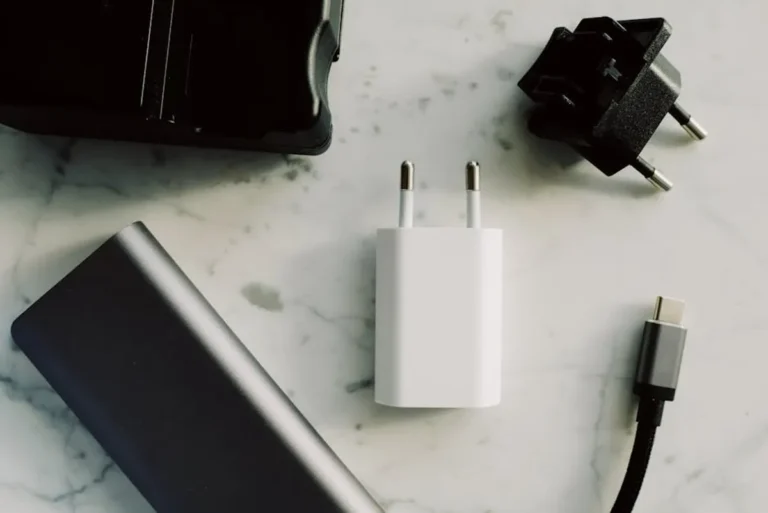

For students navigating the demands of academic life, the right tools can make a significant difference in productivity, organization, and overall well-being. This isn't about acquiring every new piece of tech; it's about strategically choosing devices that address specific challenges—whether that's maintaining focus in a noisy dorm, managing heavy textbooks, or ensuring continuous power during long study sessions. The goal is to identify gadgets that offer tangible benefits, streamline workflows, and support a balanced student lifestyle without unnecessary complexity or cost.
What to Look For in Student Gadgets
When evaluating gadgets for academic use, several practical considerations should guide your choices beyond just raw specifications. Prioritize portability, as students frequently move between lectures, libraries, and living spaces. Devices should be compact and lightweight enough to carry comfortably in a backpack. Battery life is another critical factor; gadgets must last through extended study sessions or a full day of classes without needing a recharge. Durability is also essential, given the potential for daily wear and tear in a student environment. Look for robust construction or consider protective accessories. Budget constraints are often paramount for students, so value for money—balancing functionality with cost—is key. Finally, consider multi-functionality; a single gadget that serves several purposes can reduce clutter and expense, making it a more efficient investment.
1. Noise-Cancelling Headphones
Noise-cancelling headphones are an essential tool for students who need to create a focused study environment in distracting surroundings. They actively mitigate ambient sounds, from dorm chatter to library whispers, allowing for sustained concentration on coursework. This capability is particularly valuable for deep work, online lectures, or simply finding a moment of quiet reflection.
Best for: Students in shared living spaces, noisy libraries, or those requiring deep concentration for complex subjects like coding, advanced mathematics, or essay writing.
Pros: Effective reduction of environmental distractions; improved audio clarity for online content; enhanced focus for long periods; often include comfortable designs suitable for extended wear.
Cons: Higher cost compared to standard headphones; some models can be bulky; reliance on internal batteries for active noise cancellation, requiring regular charging.
Verdict: A high-impact investment for academic performance, especially for students who struggle with environmental noise. The ability to create a personal quiet zone is invaluable.
2. Portable SSD (Solid State Drive)
A portable SSD offers fast, reliable external storage for large files, project backups, and academic portfolios. Unlike traditional hard drives, SSDs have no moving parts, making them more durable and significantly faster for data transfer. This speed is crucial for handling large video files, scientific datasets, or extensive research documents, preventing delays during critical project phases.
Best for: Design students, video editors, researchers, or anyone working with large datasets and needing rapid access to files across multiple devices.
Pros: Exceptional data transfer speeds; robust and resistant to drops or impacts; compact and lightweight for easy transport; provides secure backup for critical academic work.
Cons: Higher cost per gigabyte compared to portable HDDs; capacity might be limited on budget models.
Verdict: An indispensable tool for serious academic work involving significant data, offering peace of mind through reliable backups and efficiency through quick data access.
3. E-Reader
E-readers consolidate numerous textbooks, research papers, and supplementary readings into a single, lightweight device. Their E Ink screens mimic physical paper, reducing eye strain during prolonged reading sessions compared to traditional tablets or laptop screens. Features like adjustable font sizes, built-in dictionaries, and annotation tools further enhance the academic reading experience.
Best for: Humanities students, literature majors, or any student with a heavy reading load who wants to reduce backpack weight and access materials instantly.
Pros: Significantly reduces physical book weight; long battery life measured in weeks; glare-free screen for outdoor reading; integrated dictionary and note-taking functions.
Cons: Not ideal for color-rich content like complex diagrams or art history texts; limited multi-tasking capabilities compared to tablets.
Verdict: A practical and ergonomic solution for managing extensive academic readings, promoting sustained focus and reducing physical burden.
4. Portable Power Bank
A portable power bank ensures that essential devices—smartphones, tablets, and even some laptops—remain charged throughout a busy day of classes, labs, and study groups. This eliminates the anxiety of a dying battery during critical moments, such as taking notes, accessing online resources, or communicating with peers. High-capacity models can offer multiple charges, making them vital for campus mobility.
Best for: All students, especially those with long days on campus, limited access to power outlets, or who rely heavily on their smartphone for academic tasks and communication.
Pros: Extends device battery life significantly; compact and easy to carry; versatile with multiple charging ports; provides peace of mind during power outages or travel.
Cons: Adds extra weight to a backpack; charging speed varies by model; requires remembering to charge the power bank itself.
Verdict: A fundamental utility gadget that prevents productivity interruptions, ensuring devices are always ready for academic demands.
5. Smart Pen / Digital Notebook System
Smart pens and digital notebook systems bridge the gap between traditional handwriting and digital organization. They capture handwritten notes and diagrams, converting them into digital files that can be searched, edited, and shared. This allows students to retain the cognitive benefits of writing by hand while gaining the organizational advantages of digital storage and accessibility.
Best for: Visual learners, students in STEM fields who frequently sketch diagrams or equations, or anyone preferring handwritten notes but needing easy digital archiving.
Pros: Combines tactile writing experience with digital convenience; searchable handwritten notes; easy sharing and integration with cloud services; reduces paper waste.
Cons: Requires special paper or a specific notebook; initial setup and learning curve; battery life can be a concern for the pen; cost of specialized consumables.
Verdict: An innovative tool for students who thrive on handwritten notes but need the efficiency and organization of digital files, making complex information more manageable.
6. Ergonomic Keyboard and Mouse
For students spending extended hours typing essays, coding, or conducting research, an ergonomic keyboard and mouse can significantly reduce strain and prevent repetitive stress injuries. These peripherals are designed to promote a more natural hand and wrist position, improving comfort and sustaining productivity during long work sessions at a desk.
Best for: Computer science students, writers, or any student engaged in prolonged typing and mouse use, especially those setting up a dedicated study space.
Pros: Reduces wrist and hand strain; improves posture during typing; enhances comfort during long study sessions; can increase typing speed and accuracy over time.
Cons: Can be more expensive than standard peripherals; requires an adjustment period; some ergonomic designs are larger and less portable.
Verdict: A crucial investment for students prioritizing long-term health and sustained productivity, transforming a standard desk setup into a more comfortable and efficient workstation.
7. Portable Document Scanner
A portable document scanner allows students to digitize physical handouts, articles, or book pages quickly and efficiently. This enables easy archiving, annotation, and sharing of physical materials, integrating them into a digital workflow. It's particularly useful for group projects or when library resources are limited to physical copies.
Best for: Researchers, students in fields requiring extensive physical document review, or those needing to digitize course materials for accessibility or group collaboration.
Pros: Converts physical documents to digital files rapidly; compact and easy to transport; supports various file formats (PDF, JPG); facilitates digital organization of physical notes.
Cons: Quality can vary with lower-end models; requires power source or battery; not ideal for scanning bound books without damaging them.
Verdict: A niche but highly effective tool for students who frequently interact with physical documents and need to integrate them seamlessly into their digital academic life.
8. Smart Water Bottle
A smart water bottle tracks hydration levels and reminds students to drink water throughout the day, often syncing with a smartphone app. Maintaining proper hydration is critical for cognitive function, energy levels, and overall health, directly impacting academic performance and focus, especially during intense study periods.
Best for: All students, particularly those prone to forgetting to drink water, or those looking to optimize their daily routine for better health and concentration.
Pros: Promotes consistent hydration; visual or app-based reminders; supports better cognitive function and energy; can be a motivating factor for health goals.
Cons: Requires regular charging; app integration can be an extra step; higher cost than a standard water bottle; can be an unnecessary gadget for some.
Verdict: A simple yet effective gadget for improving daily well-being and, by extension, academic focus, especially for students who need gentle nudges for self-care.
9. Laptop Stand
A laptop stand elevates the screen to eye level, improving ergonomics and reducing neck and back strain during long periods of computer use. Many models also feature ventilation to prevent overheating, which can prolong the life of the laptop. This is a fundamental accessory for creating a more comfortable and healthier study setup, whether at a desk or in a temporary workspace.
Best for: All students using laptops for extended periods, especially those without external monitors, or those prone to poor posture while studying.
Pros: Improves posture and reduces physical strain; enhances laptop cooling; can be portable and foldable; relatively inexpensive for the ergonomic benefits.
Cons: Requires an external keyboard and mouse for optimal ergonomic benefit; adds an extra item to carry; some models are less stable than others.
Verdict: A cost-effective and essential accessory for any student prioritizing ergonomic comfort and laptop longevity, directly supporting sustained productivity.
10. Portable Mini Projector
A portable mini projector offers a versatile solution for group presentations, collaborative study sessions, or even entertainment. Its ability to project content onto any flat surface makes it ideal for sharing ideas, reviewing documents with peers, or watching educational videos on a larger screen than a laptop or tablet can provide.
Best for: Students working on group projects, presenting frequently, or those who want a flexible display solution for both academic and recreational use.
Pros: Creates large display surfaces anywhere; highly portable and compact; versatile for both academic and entertainment purposes; enhances collaborative viewing.
Cons: Image quality and brightness vary significantly by model; often requires a dark room for optimal viewing; battery life can be limited; some models lack robust connectivity options.
Verdict: A specialized gadget that offers significant utility for collaborative learning and presentations, providing a flexible display solution beyond traditional screens.
11. USB-C Hub/Dongle
With modern laptops increasingly relying on USB-C ports, a USB-C hub or dongle becomes a critical adapter for connecting older peripherals, external monitors, and storage devices. This single accessory restores essential connectivity, enabling students to utilize printers, external hard drives, or projectors that might not support USB-C directly, ensuring compatibility across various academic environments.
Best for: Students with newer laptops that have limited port selections, especially those who frequently connect to external displays, USB drives, or network cables.
Pros: Expands connectivity options for modern laptops; compact and portable; supports multiple peripherals simultaneously; often includes charging passthrough.
Cons: Can be an additional item to carry and potentially lose; quality and compatibility vary between brands; some models can generate heat.
Verdict: An indispensable accessory for modern laptop users, ensuring seamless integration with diverse academic hardware and preventing connectivity bottlenecks.
12. Smart Planner / Digital Whiteboard
A smart planner or digital whiteboard combines the benefits of traditional planning with digital flexibility. These devices allow students to write, draw, and organize ideas using a stylus, then instantly digitize and sync their work to cloud services. This facilitates dynamic brainstorming, lesson planning, and project management, making notes accessible from anywhere.
Best for: Students who prefer the tactile experience of writing but require the organizational power of digital files, such as those in creative fields, project management, or complex research.
Pros: Seamless transition from analog writing to digital storage; supports free-form note-taking and sketching; easy sharing and collaboration; reduces paper consumption.
Cons: Can be expensive; requires learning a new interface; battery life is a consideration; not all models offer full color or robust app ecosystems.
Verdict: An advanced organizational tool for students who need a flexible, digital canvas for ideation and planning, offering superior integration and accessibility compared to paper.
Choosing the Right Gadgets for Your Academic Journey
Selecting the optimal gadgets requires a clear understanding of your specific academic needs, learning style, and budget. Begin by identifying your primary pain points: Is it difficulty concentrating? The weight of textbooks? The need for better organization? Prioritize gadgets that directly address these challenges. Consider the device's ecosystem; if you already use certain software or cloud services, choose gadgets that integrate seamlessly. Evaluate long-term durability and potential for repair, as student budgets often necessitate devices that last for several years. Read reviews focusing on real-world student experiences rather than just technical specifications. Finally, remember that the most expensive gadget isn't always the best; value is derived from how effectively a tool solves your problems and enhances your learning, not from its price tag alone.
Frequently Asked Questions
Are expensive gadgets always better for students?
Not necessarily. The "best" gadget is the one that most effectively meets a student's specific needs and budget. Often, mid-range options offer the best balance of features, performance, and durability without excessive cost. Prioritize utility and reliability over brand prestige or cutting-edge features you may not fully utilize.
How important is battery life for student gadgets?
Battery life is crucial. Students often spend long hours on campus, moving between classes, libraries, and study groups without constant access to charging outlets. Gadgets with extended battery life minimize interruptions and ensure continuous productivity, allowing students to focus on their studies rather than searching for power.
Should I buy a tablet or a laptop for my studies?
The choice depends on your primary academic tasks. Laptops generally offer more processing power, a full keyboard, and compatibility with a wider range of software, making them ideal for heavy typing, coding, or demanding applications. Tablets, especially with a stylus, excel in note-taking, reading, and portability. Many students find a combination of both, or a 2-in-1 laptop, offers the most flexibility.
What's the most overlooked gadget for student productivity?
Often, it's a simple, high-quality pair of noise-cancelling headphones. The ability to create a personal zone of quiet in a busy environment can dramatically improve focus and reduce stress, making them invaluable for deep work and concentration, which directly impacts academic output.
How can I protect my gadgets on a student budget?
Invest in durable cases, screen protectors, and a reliable backpack with padded compartments. Consider purchasing extended warranties if available and affordable. For data, regularly back up important files to cloud storage or an external drive. These preventative measures are generally more cost-effective than repairing or replacing damaged devices.