
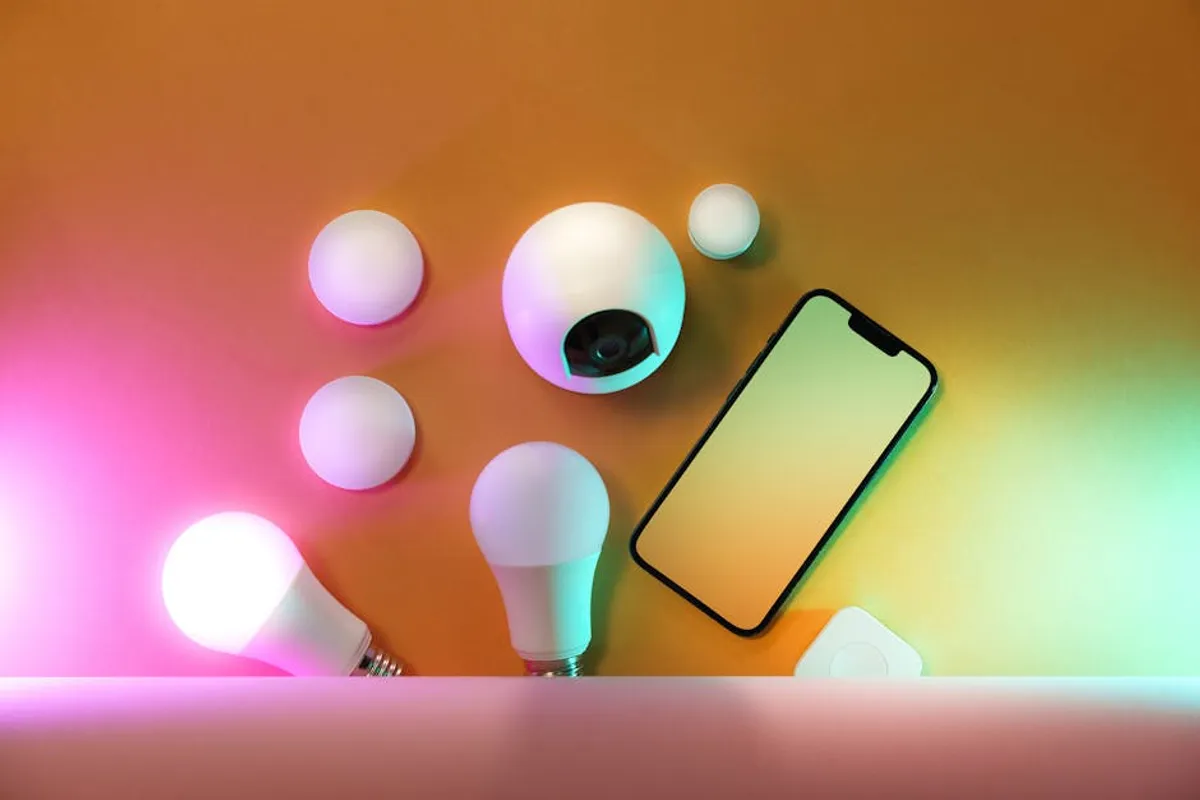
Navigating the smart lighting market requires understanding a diverse landscape of connectivity protocols, ecosystem integrations, and feature sets. The sheer volume of options, from individual bulbs to intricate modular panels, means that a "best" choice is inherently subjective, contingent on existing smart home infrastructure, budget constraints, and desired functionality. This guide breaks down leading smart light systems, detailing their core strengths, potential limitations, and ideal applications to inform a strategic selection.
What to Look For in Smart Lights
Evaluating smart lights involves more than just brightness and color. Key considerations ensure compatibility and long-term satisfaction:
- Connectivity Protocols: Understand the difference between Wi-Fi, Bluetooth, Zigbee, and Thread. Wi-Fi bulbs connect directly to your router but can hog network bandwidth. Bluetooth is simple for single-room control but lacks range. Zigbee and Thread often require a hub but offer more robust mesh networking and lower power consumption, making them ideal for larger setups.
- Ecosystem Compatibility: Determine if the lights integrate seamlessly with your preferred smart home platform (e.g., Apple HomeKit, Google Home, Amazon Alexa, Samsung SmartThings). Native integration simplifies control and automation.
- Features and Functionality: Beyond basic on/off and dimming, consider color temperature adjustment (tunable white), full RGB color spectrum, scheduling, scene creation, motion sensor integration, and music synchronization.
- Installation and Scalability: Assess the ease of setup. Some systems are plug-and-play, while others require a dedicated hub. Consider how easily you can expand the system with additional bulbs, strips, or accessories.
- Cost and Value: Evaluate the initial investment for bulbs and any necessary hubs against the long-term benefits, including energy efficiency and durability. Higher upfront costs can sometimes yield greater flexibility and reliability.
- Reliability and Responsiveness: A critical factor for daily use. Look for systems known for consistent performance, quick response times to commands, and minimal connectivity drops.
1. Philips Hue
Philips Hue establishes itself as the premium, most comprehensive smart lighting ecosystem on the market, offering an extensive range of bulbs, light strips, lamps, and outdoor fixtures. Its foundation is the Hue Bridge, which uses the Zigbee protocol to create a robust, dedicated mesh network, ensuring reliable communication even with numerous devices. This system excels in deep integration with all major smart home platforms and provides sophisticated scene creation, dynamic lighting effects, and entertainment synchronization capabilities. The high build quality and consistent software updates contribute to its reputation for reliability and longevity.
Best for: Users seeking a premium, highly reliable, and feature-rich smart lighting system with broad ecosystem compatibility, willing to invest in a dedicated hub for optimal performance.
Pros:
- Extensive product line covering indoor, outdoor, and decorative lighting.
- Robust Zigbee mesh network via the Hue Bridge ensures reliability and scalability.
- Excellent color reproduction and brightness across its range.
- Seamless integration with Apple HomeKit, Google Home, Amazon Alexa, and Samsung SmartThings.
- Advanced automation, scene creation, and entertainment sync features.
- Consistent software updates and strong community support.
Cons:
- Higher initial cost, especially when factoring in the required Hue Bridge.
- Proprietary ecosystem can be less flexible for mixing with other Zigbee brands without a third-party hub.
- Some older bulbs may not support all newer features without firmware updates.
Verdict: Philips Hue remains the benchmark for comprehensive smart lighting, justifying its premium pricing through unparalleled reliability, feature depth, and seamless integration for users committed to a unified lighting experience.
2. Govee
Govee distinguishes itself by focusing on vibrant, dynamic, and often entertainment-centric lighting solutions, frequently incorporating unique features like segment control for light strips and advanced music synchronization. Unlike many competitors that rely on Zigbee or Thread, Govee primarily uses Wi-Fi and Bluetooth for direct connections, eliminating the need for a dedicated hub. Their product range leans heavily into LED strips, gaming lights, and innovative decorative fixtures designed to create immersive ambient experiences. Govee's app is a central component, offering extensive customization for colors, effects, and scene creation, often surpassing competitors in granular control over lighting animations.
Best for: Enthusiasts prioritizing dynamic, colorful, and entertainment-focused lighting effects, especially for gaming setups, media rooms, or creative ambient displays, without requiring a hub.
Pros:
- Exceptional dynamic lighting effects and segment control for light strips.
- Advanced music synchronization and reactive lighting features.
- No hub required, connecting directly via Wi-Fi and Bluetooth.
- Competitive pricing for feature-rich products.
- User-friendly app with extensive customization options.
Cons:
- Primarily focused on decorative and accent lighting, with fewer traditional bulb options.
- Relies on Wi-Fi/Bluetooth, which can be less reliable than Zigbee for large installations.
- Integration with broader smart home ecosystems can be less robust than hub-based systems.
Verdict: Govee excels in delivering visually striking and interactive lighting experiences at an accessible price point, making it an excellent choice for users who prioritize aesthetics and dynamic effects over a foundational whole-home lighting system.
3. Nanoleaf
Nanoleaf specializes in modular, artistic smart lighting panels and light bars that serve both functional illumination and decorative art. Their products, such as the Shapes and Lines series, are designed for creative wall installations, offering unique geometric designs and customizable color animations. Nanoleaf is a strong proponent of Thread technology, with many of its newer products acting as Thread Border Routers, enhancing future-proofing and local control capabilities. Integration with major smart home platforms is robust, and the Nanoleaf app provides comprehensive tools for designing layouts, creating scenes, and synchronizing lights with music or screen content.
Best for: Creative users and designers looking for modular, artistic lighting solutions that double as wall decor, with a focus on unique aesthetics and advanced customization for visual effects.
Pros:
- Unique modular designs for artistic and customizable wall installations.
- Strong support for Thread, offering future-proof connectivity and local control.
- Excellent color vibrancy and dynamic lighting effects.
- Seamless integration with Apple HomeKit, Google Home, and Amazon Alexa.
- Responsive app with layout design tools and screen mirroring features.
Cons:
- Higher price point per panel/bar compared to traditional smart bulbs.
- Installation can be more involved due to modular design and adhesive mounting.
- Less focused on foundational whole-room illumination, more on accent and decorative lighting.
Verdict: Nanoleaf stands out for its innovative approach to lighting as art, providing a distinctive option for users who want to make a visual statement and leverage advanced smart home protocols like Thread.
4. LIFX
LIFX offers a range of Wi-Fi-enabled smart bulbs and light strips known for exceptional brightness and vivid color reproduction, particularly in the green and blue spectrums. Unlike many competitors, LIFX bulbs connect directly to your home Wi-Fi network, eliminating the need for a separate hub, which simplifies initial setup. The brand focuses on delivering high-quality light output and offers advanced features like "Polychrome Technology" for multiple colors on a single light strip and "Day & Dusk" scheduling for natural light transitions. While hub-free, its reliance on Wi-Fi means performance can be affected by network congestion, particularly with many bulbs.
Best for: Users prioritizing maximum brightness and rich, accurate colors from hub-free Wi-Fi bulbs, especially those looking for advanced features without investing in a dedicated bridge.
Pros:
- Exceptional brightness and vibrant, accurate color reproduction.
- No hub required, connecting directly to Wi-Fi for simpler setup.
- "Polychrome Technology" for multi-color light strips.
- Robust app with advanced scheduling, scenes, and effects.
- Good integration with major smart home platforms.
Cons:
- Higher cost per bulb compared to some hub-based or budget Wi-Fi options.
- Direct Wi-Fi connection can strain networks with many devices, potentially leading to latency.
- Larger physical size for some bulbs, potentially not fitting all fixtures.
Verdict: LIFX provides a compelling option for power users seeking high-performance, hub-free smart lighting with superior brightness and color fidelity, provided their Wi-Fi network can handle the load.
5. TP-Link Kasa Smart
TP-Link Kasa Smart offers a broad portfolio of affordable Wi-Fi-enabled smart home devices, including a selection of smart bulbs, light strips, and switches. The Kasa lighting products are designed for simplicity and direct Wi-Fi connectivity, requiring no hub for operation. This makes them an accessible entry point into smart lighting for users who want basic control, scheduling, and scene functionality without additional hardware investment. While not always matching the advanced features or color accuracy of premium brands, Kasa provides reliable performance for everyday lighting needs and integrates well with Amazon Alexa and Google Assistant.
Best for: Budget-conscious users or those new to smart lighting who need reliable, hub-free Wi-Fi bulbs for basic control, scheduling, and color adjustments, primarily within the Amazon Alexa or Google Assistant ecosystems.
Pros:
- Affordable price point for smart bulbs and strips.
- No hub required, connecting directly to home Wi-Fi.
- Easy setup and user-friendly Kasa app.
- Reliable performance for basic on/off, dimming, and scheduling.
- Good integration with Amazon Alexa and Google Assistant.
Cons:
- Color accuracy and brightness may not match premium brands.
- Fewer advanced lighting effects or entertainment synchronization features.
- Reliance on Wi-Fi can lead to network congestion with numerous devices.
Verdict: TP-Link Kasa Smart delivers a solid value proposition for straightforward smart lighting, serving as an excellent starting point for users prioritizing cost-effectiveness and ease of use over advanced functionalities.
6. Sengled
Sengled positions itself as a versatile smart lighting provider, offering both Wi-Fi and Zigbee-based bulbs, often at competitive price points. Their product line includes standard A19 bulbs, candelabra bulbs, and light strips, with a focus on practical, everyday lighting solutions. Sengled's Zigbee bulbs typically require a compatible hub (like their own Sengled hub or a SmartThings hub), offering a more stable mesh network for larger installations. Their Wi-Fi bulbs provide a hub-free alternative for simpler setups. Sengled also innovates with unique products, such as bulbs with integrated motion sensors or speakers, expanding functionality beyond basic illumination.
Best for: Users seeking a balance of affordability and functionality, with options for both hub-free Wi-Fi and more robust Zigbee systems, particularly those interested in integrated features like motion sensing.
Pros:
- Competitive pricing across their product range.
- Offers both Wi-Fi (hub-free) and Zigbee (hub-required) options.
- Innovative bulbs with integrated features (e.g., motion sensor, speaker).
- Reliable performance for basic smart lighting controls.
- Good compatibility with major smart home platforms, especially with Zigbee hub.
Cons:
- Color accuracy and brightness can vary across different product lines.
- Zigbee bulbs require a hub, adding to the initial cost for new users.
- App interface and advanced features are generally less refined than premium brands.
Verdict: Sengled offers a flexible and cost-effective entry into smart lighting, providing a range of connectivity options and unique integrated features that cater to practical home automation needs.
7. Cync (by GE Lighting)
Cync, formerly C by GE, offers a range of Wi-Fi and Bluetooth-enabled smart lighting products that bypass the need for a hub. Their portfolio includes standard bulbs, light strips, and smart switches, designed for straightforward installation and control. Cync's primary appeal lies in its ease of entry for those looking to upgrade traditional lighting to smart functionality without additional hardware. While the Bluetooth connection offers quick, local control, Wi-Fi enables remote access and integration with voice assistants like Amazon Alexa and Google Assistant. The brand focuses on foundational smart lighting capabilities, including tunable white and full-color options, alongside scheduling and scene settings.
Best for: Beginners to smart home technology or those seeking simple, hub-free Wi-Fi/Bluetooth smart bulbs for basic control and scheduling, particularly within the GE ecosystem or with popular voice assistants.
Pros:
- No hub required, connecting via Wi-Fi or Bluetooth.
- Simple setup and intuitive app interface.
- Affordable entry point into smart lighting.
- Good range of foundational bulbs (tunable white, full color) and smart switches.
- Reliable integration with Amazon Alexa and Google Assistant.
Cons:
- Bluetooth range limitations for larger homes.
- Wi-Fi reliability can be inconsistent in dense network environments.
- Fewer advanced features or dynamic lighting effects compared to premium brands.
Verdict: Cync provides a practical and accessible solution for basic smart lighting, offering a hub-free experience that prioritizes ease of use and affordability for everyday illumination needs.
8. Yeelight
Yeelight, an ecosystem partner of Xiaomi, offers a diverse range of Wi-Fi-enabled smart lighting products, including bulbs, light strips, and ceiling lights, often characterized by competitive pricing and a clean design aesthetic. These lights connect directly to your home Wi-Fi network, eliminating the need for a separate hub, and are controlled via the Yeelight app or integrated with major smart home platforms. Yeelight products are known for their decent brightness and color accuracy, alongside features like music sync, gaming integration (e.g., Razer Chroma), and customizable scene modes. They provide a solid balance between cost and functionality for users seeking hub-free smart lighting.
Best for: Users looking for affordable, hub-free Wi-Fi smart lights with a good balance of features, brightness, and color, especially those interested in gaming integration or a clean design.
Pros:
- Competitive pricing for feature-rich Wi-Fi bulbs and fixtures.
- No hub required, direct Wi-Fi connection.
- Good brightness and color reproduction.
- Features like music sync and gaming integration (Razer Chroma).
- Integration with Google Home, Amazon Alexa, and Apple HomeKit.
Cons:
- App interface can sometimes be less polished than premium competitors.
- Reliance on Wi-Fi can lead to latency or connectivity issues with many devices.
- Availability and support can vary by region.
Verdict: Yeelight presents a strong value proposition for hub-free smart lighting, offering a comprehensive feature set and reliable performance for users who appreciate affordability without significant compromise on functionality.
9. Wiz (by Signify)
Wiz, now part of Signify (the company behind Philips Hue), offers a distinct smart lighting ecosystem based entirely on Wi-Fi and Bluetooth connectivity, meaning no hub is required. This makes Wiz bulbs and fixtures an accessible entry point for smart lighting, providing a wide range of tunable white and full-color options. Wiz focuses on user-friendly features like Circadian Rhythm settings, dynamic light modes, and robust scheduling, all managed through a straightforward app. While it lacks the Zigbee mesh network stability of Philips Hue, its direct Wi-Fi connection simplifies setup and offers reliable performance for most home environments, with good integration across smart home platforms.
Best for: Users seeking a simple, hub-free Wi-Fi smart lighting system with a good range of functional and dynamic lighting modes, particularly those prioritizing ease of setup and affordability within the Signify family.
Pros:
- No hub required, connecting via Wi-Fi and Bluetooth.
- Affordable pricing across a wide range of bulbs and fixtures.
- User-friendly app with intuitive control and dynamic light modes.
- Circadian Rhythm feature for natural light transitions.
- Good integration with Google Home, Amazon Alexa, and Apple HomeKit (via Matter).
Cons:
- Reliance on Wi-Fi can be less stable than Zigbee for large installations.
- Fewer advanced entertainment synchronization features compared to Philips Hue or Govee.
- Less robust build quality than premium counterparts.
Verdict: Wiz offers a compelling, budget-friendly alternative to hub-based systems, delivering a rich feature set and reliable performance through Wi-Fi, making smart lighting accessible without a significant initial investment.
10. Meross
Meross specializes in affordable, Wi-Fi-enabled smart home devices, including a selection of smart bulbs, light strips, and smart plugs. Their lighting products are designed for straightforward integration into existing smart home ecosystems without the need for a separate hub, connecting directly to your home Wi-Fi network. Meross bulbs offer basic smart lighting functionality, including dimming, color changes (for RGB models), and scheduling, all controllable through the Meross app. They prioritize compatibility with major voice assistants and platforms, making them a practical choice for users seeking cost-effective smart lighting solutions that integrate seamlessly with their preferred control method.
Best for: Value-conscious users seeking basic, reliable Wi-Fi smart bulbs and strips that offer broad compatibility with major smart home platforms and voice assistants, without requiring a hub.
Pros:
- Very competitive pricing for Wi-Fi smart bulbs.
- No hub required, direct Wi-Fi connection for easy setup.
- Broad compatibility with Apple HomeKit, Google Home, and Amazon Alexa.
- Reliable for basic on/off, dimming, and color control.
- Simple and functional Meross app.
Cons:
- Brightness and color accuracy may not match premium brands.
- Limited advanced features or dynamic lighting effects.
- Reliance on Wi-Fi can lead to network congestion with many devices.
Verdict: Meross provides a highly accessible entry point into smart lighting, offering reliable, hub-free Wi-Fi bulbs that deliver essential smart functions and broad compatibility at an attractive price.
Choosing the Right Smart Lighting System for Your Needs
Selecting the optimal smart lighting system involves a critical assessment of your specific requirements and existing infrastructure. Begin by evaluating your current smart home ecosystem: are you heavily invested in Apple HomeKit, Google Home, or Amazon Alexa? Prioritizing native compatibility will streamline control and automation. Next, consider the scale of your intended setup. For a few bulbs in a single room, a hub-free Wi-Fi or Bluetooth solution might suffice. For whole-home coverage with numerous devices, a Zigbee or Thread-based system with a dedicated hub often provides superior reliability and scalability, mitigating Wi-Fi network strain. Budget is also a primary factor; hub-based systems typically have a higher initial