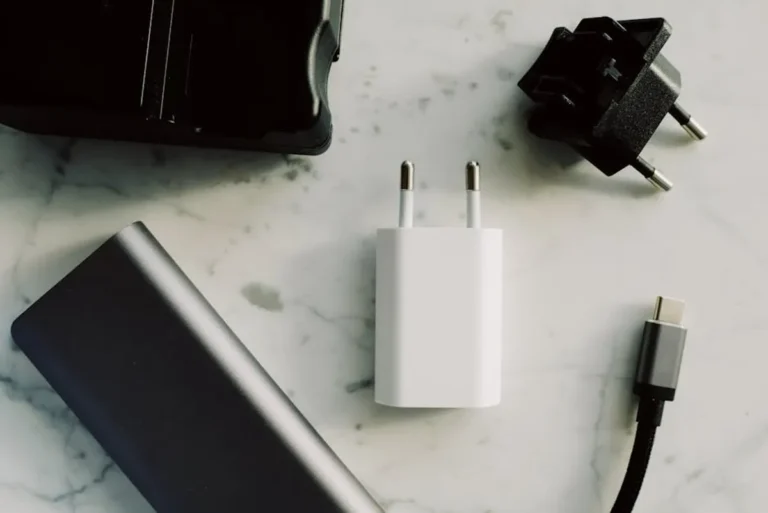

Tablets have evolved from simple content consumption devices into versatile tools for productivity, creativity, and entertainment. However, their full potential often remains untapped without the right accompanying accessories. Selecting these additions strategically can transform a basic tablet experience into a highly personalized and efficient workflow or leisure setup. This guide focuses on identifying the most impactful tablet accessories, evaluating their practical benefits, and detailing how they integrate into various use cases to enhance durability, functionality, and user comfort. The goal is to equip users with the information needed to make informed choices that align with their specific tablet usage patterns and investment priorities.
How to Choose the Right Tablet Accessories
Selecting tablet accessories requires a systematic approach, considering compatibility, primary use, material quality, and long-term value. First, verify compatibility: not all accessories are universal. Cases, screen protectors, and even some styluses are often designed for specific tablet models, accounting for dimensions, button placement, and port access. An incompatible accessory offers no benefit and can hinder functionality. Second, define your primary use case. If the tablet is for drawing, a pressure-sensitive stylus is paramount. For extensive typing, a physical keyboard is essential. If it's a travel companion, durable protection and portable power are key. Third, evaluate material quality and construction. A case made from rigid polycarbonate with reinforced corners offers superior drop protection compared to a thin silicone sleeve. A stylus with a fine tip and robust build will provide better precision and longevity than a generic rubber-tipped alternative. Fourth, consider the ergonomic impact. An adjustable stand can alleviate neck strain during long viewing sessions, while a well-designed keyboard can improve typing posture. Finally, assess the return on investment. While some accessories represent a significant upfront cost, their ability to protect the device, extend its lifespan, or significantly boost productivity can justify the expense over time.
1. Protective Cases
Protective cases are a foundational accessory, designed to shield tablets from physical damage sustained during daily use or accidental drops. These range from slim, minimalist covers that prevent scratches to rugged, multi-layer designs offering significant impact absorption. Many cases integrate features like kickstands for hands-free viewing, pen holders for styluses, or magnetic closures that activate sleep/wake functions. The primary function is to preserve the tablet's structural integrity and aesthetic condition, directly impacting its longevity and potential resale value.
Best For: Users prioritizing device durability, scratch prevention, and impact protection, especially in mobile or high-traffic environments. Essential for maintaining device appearance and functional lifespan.
Pros: Enhanced drop resistance; protects against surface scratches and scuffs; often includes stand functionality for media viewing or typing; available in various materials and designs to suit personal style and protection needs.
Cons: Adds noticeable bulk and weight to the tablet, potentially affecting portability; can impede heat dissipation in some designs, particularly during intensive tasks; may obstruct peripheral access if poorly designed.
Verdict: A non-negotiable accessory for most tablet owners, providing critical defense against common damage. The right case balances robust protection with ergonomic considerations and aesthetic preferences.
2. Screen Protectors
Screen protectors add a sacrificial layer over the tablet's display, safeguarding it from scratches, minor impacts, and smudges. These are typically made from tempered glass or flexible plastic films. Tempered glass options offer superior impact resistance and a smooth, glass-like touch experience, while film protectors are thinner and more discreet. Specialized versions exist that reduce glare, filter blue light, or mimic the texture of paper for a more natural writing experience with a stylus. Their role is to maintain the visual clarity and touch responsiveness of the original display.
Best For: Preserving the pristine condition of the tablet's display, preventing scratches from keys or accidental contact, and reducing fingerprint smudges. Crucial for users who value unblemished screen quality.
Pros: Effectively prevents surface scratches and minor abrasions; tempered glass options offer additional shatter protection; reduces fingerprint accumulation and glare; easily replaceable without damaging the original screen.
Cons: Can be challenging to apply perfectly without trapping air bubbles or dust; some thicker protectors might slightly reduce touch sensitivity or screen brightness; initial cost for high-quality glass protectors.
Verdict: An inexpensive yet highly effective measure for protecting the most interactive and vulnerable part of a tablet. It's a pragmatic choice for extending the display's functional and aesthetic life.
3. Stylus Pens
Stylus pens provide a precision input method beyond finger touch, enabling detailed drawing, accurate note-taking, and fine navigation. Active styluses incorporate internal electronics for features like pressure sensitivity, tilt detection, and palm rejection, offering a natural writing and drawing experience. Passive styluses, simpler in design, mimic a finger touch but lack advanced features. The utility of a stylus transforms a tablet into a more capable tool for creative professionals, students, and anyone requiring granular control over their digital input.
Best For: Artists, designers, students, and professionals who frequently engage in drawing, sketching, handwritten notes, or precise interface interaction. Enhances fine motor control and creative output.
Pros: Offers superior precision for drawing and writing; active styluses provide pressure sensitivity and palm rejection for a natural feel; can improve efficiency for tasks requiring detailed input; reduces fingerprint smudges on screen.
Cons: Active styluses require regular charging; can be easily misplaced due to their small form factor; not all tablet applications fully support advanced stylus features; can represent a significant additional cost.
Verdict: A transformative accessory for specific use cases, unlocking new levels of productivity and creativity. Its value is directly proportional to the user's need for precision and artistic expression.
4. Bluetooth Keyboards
Bluetooth keyboards convert a tablet into a more robust productivity device, facilitating faster and more comfortable text input than on-screen virtual keyboards. These range from compact, standalone units to integrated keyboard cases that offer both protection and typing functionality. Many feature full-size keys, dedicated function rows, and trackpads, mimicking a laptop experience. They connect wirelessly via Bluetooth, offering flexibility in setup and portability. Their primary benefit is enabling sustained typing for document creation, email correspondence, and coding tasks.
Best For: Users who regularly type long documents, emails, or engage in coding on their tablet. Essential for transforming a tablet into a lightweight, portable workstation for text-heavy tasks.
Pros: Significantly improves typing speed and comfort compared to on-screen keyboards; enhances productivity for writing-intensive tasks; many models include trackpads for cursor control; portable and easy to connect wirelessly.
Cons: Adds bulk and weight, especially keyboard cases; requires separate charging (for most models); can be less ergonomic than full-sized desktop keyboards for extended periods; introduces an additional item to carry.
Verdict: An indispensable accessory for anyone using their tablet for serious content creation or communication. It bridges the gap between tablet portability and laptop-level input efficiency.
5. Stands and Docks
Tablet stands and docks provide stable, ergonomic positioning for hands-free viewing and interaction. Stands typically offer adjustable angles for optimal viewing during media consumption, video calls, or when using an external keyboard. Docks often expand functionality by including charging capabilities, additional USB ports, or video outputs, effectively turning the tablet into a desktop hub. These accessories improve user comfort by promoting better posture and freeing up hands for other tasks, enhancing the tablet's utility in a fixed location.
Best For: Hands-free media consumption, video conferencing, desktop-style setups with external peripherals, and improving ergonomic posture during long usage sessions. Ideal for fixed-location tablet use.
Pros: Provides stable and adjustable viewing angles; improves ergonomic comfort and reduces neck strain; docks can expand connectivity with additional ports and charging capabilities; frees up hands for other activities.
Cons: Primarily for stationary use, reducing the tablet's mobility; basic stands offer limited features beyond positioning; advanced docks can be expensive and require a dedicated space.
Verdict: Elevates the tablet experience for stationary use, making it more comfortable and versatile. Essential for users who integrate their tablet into a home or office workstation.
6. USB-C Hubs and Adapters
USB-C hubs and adapters are crucial for expanding the connectivity options of modern tablets, which often feature a single USB-C port. These devices allow connection to multiple peripherals simultaneously, such as external monitors via HDMI, USB-A devices (flash drives, mice, keyboards), SD cards, and even wired Ethernet. They effectively transform a tablet into a more versatile computing device, capable of interfacing with a wider ecosystem of hardware. This expansion is vital for professional workflows that require external storage, displays, or reliable network access.
Best For: Users needing to connect multiple external devices, displays, or wired internet to their tablet. Critical for professional workflows that demand expanded connectivity beyond the tablet's native ports.
Pros: Significantly expands peripheral connectivity (USB-A, HDMI, SD card, Ethernet); enables multi-monitor setups; facilitates data transfer from various sources; compact and portable for mobile professionals.
Cons: Can be expensive for models with extensive port options; some hubs require external power for full functionality; adds another device to carry and manage; potential for compatibility issues with certain tablet models or operating systems.
Verdict: An indispensable tool for maximizing a tablet's potential as a desktop replacement or primary workstation. It addresses the inherent limitations of minimalist tablet port designs.
7. Portable Power Banks
Portable power banks are external battery packs designed to recharge tablets and other mobile devices on the go, extending their operational time away from wall outlets. Available in various capacities (measured in mAh), they range from compact units for emergency top-ups to high-capacity bricks capable of multiple full charges. Many feature multiple USB outputs, including USB-C Power Delivery (PD) for faster charging of compatible tablets. Their utility is paramount for travelers, commuters, and anyone who relies on their tablet for extended periods without consistent access to power.
Best For: Users on the go, during long commutes, travel, or any situation where access to wall outlets is limited. Ensures uninterrupted tablet use for productivity, entertainment, or communication.
Pros: Extends tablet battery life significantly; available in capacities suitable for multiple recharges; supports fast charging via USB-PD; can charge multiple devices simultaneously; crucial for maintaining productivity and connectivity.
Cons: Adds weight and bulk to carry; charging speed can vary depending on the power bank and tablet; requires its own charging; initial cost for high-capacity, fast-charging models.
Verdict: A practical necessity for mobile tablet users, preventing downtime and ensuring continuous operation. It's an investment in uninterrupted access to your digital tools and entertainment.
8. Headphones or Earbuds
Headphones or earbuds provide private audio for media consumption, virtual meetings, and calls, enhancing the overall user experience by delivering superior sound quality compared to built-in tablet speakers. Options include wired models for reliable connection and no charging, or wireless Bluetooth models offering freedom of movement. Features like noise cancellation block out environmental distractions, creating an immersive audio environment. They are essential for privacy in shared spaces and for critical listening tasks where audio fidelity is important.
Best For: Immersive audio experiences, private listening in shared environments, clear communication during video calls or virtual meetings. Enhances entertainment and professional communication.
Pros: Provides private and often higher-fidelity audio; noise-canceling models reduce distractions; wireless options offer freedom of movement; essential for clear communication in calls and meetings.
Cons: Wireless models require charging; can be uncomfortable during prolonged use; potential for loss or damage due to portability; quality varies significantly with price point.
Verdict: A key accessory for personalizing the audio experience, whether for entertainment, education, or professional communication. It transforms public spaces into private listening zones.
9. Cleaning Kits
Cleaning kits are specifically designed to maintain the pristine condition of tablet screens and surfaces, removing fingerprints, dust, and smudges without causing damage. These kits typically include a microfiber cloth, a specialized cleaning solution (often alcohol-free and anti-static), and sometimes small brushes or air blowers for intricate areas. Regular cleaning not only improves visual clarity but also contributes to device hygiene and can prolong the lifespan of optical components by preventing abrasive buildup. They are a low-cost, high-impact accessory for device maintenance.
Best For: Users who prioritize screen clarity, device hygiene, and maintaining the aesthetic appeal of their tablet. Essential for optimal visual experience and preventing screen degradation over time.
Pros: Effectively removes smudges, fingerprints, and dust; specialized solutions are safe for sensitive screens; improves visual clarity and touch responsiveness; inexpensive and easy to use; contributes to device longevity.
Cons: Requires regular application to maintain cleanliness; some solutions may leave minor streaks if not used correctly; basic kits may lack specialized tools for stubborn grime.
Verdict: A simple yet crucial accessory for preserving the tablet's visual quality and ensuring a pleasant user experience. It's a small investment with significant returns in device upkeep.
10. Travel Organizers and Sleeves
Travel organizers and sleeves are designed to protect tablets and their accompanying accessories during transport, keeping everything neatly contained and easily accessible. Sleeves offer basic scratch and minor impact protection, often with a padded interior. Organizers, more robust, feature multiple compartments, elastic straps, and zippered pockets to secure the tablet, cables, chargers, styluses, and other small peripherals. They are invaluable for frequent travelers, students, or anyone who regularly transports their tablet and its ecosystem of accessories, preventing damage and loss.
Best For: Frequent travelers, students, and mobile professionals who transport their tablet and multiple accessories regularly. Essential for preventing damage and maintaining organization on the go.
Pros: Protects the tablet and accessories from scratches, bumps, and spills during transit; keeps all peripherals organized and easily accessible; often includes water-resistant materials; reduces the risk of losing small items.
Cons: Adds an extra layer of bulk to carry; can be over-specified for users who rarely travel with many accessories; initial cost varies based on material quality and organizational features.
Verdict: An essential accessory for mobile tablet users, providing peace of mind by safeguarding their device and streamlining the transport of its accompanying gear.
Maximizing Your Accessory Investment
Once you've acquired the right tablet accessories, maximizing their value involves consistent care, strategic integration, and periodic evaluation. Regularly clean screen protectors and cases to maintain their effectiveness and appearance. For active styluses and Bluetooth keyboards, adhere to charging best practices to preserve battery health. Integrate accessories seamlessly into your workflow; for example, setting up a dedicated workspace with a stand and external keyboard can significantly boost productivity. Periodically reassess your accessory needs as your tablet usage evolves or new technologies emerge. An accessory that was essential for one phase of use might become less critical, or a new accessory could offer unforeseen benefits. Compatibility remains paramount; ensure any new additions work harmoniously with your existing tablet and other peripherals. By treating accessories as integral components of your tablet ecosystem, you extend their utility and the overall lifespan of your device.
Frequently Asked Questions
Are tablet accessories universal?
No, many tablet accessories are model-specific. Cases, screen protectors, and some styluses are designed to fit particular tablet dimensions, port layouts, and technological specifications. Always verify compatibility with your specific tablet model before purchase.
Do I really need a screen protector if I have a case?
Yes, a screen protector offers distinct protection that a case alone cannot provide. While a case protects the edges and back from drops, a screen protector guards the display directly against scratches, smudges, and minor impacts that can occur even when the tablet is cased.
How do I clean my tablet accessories?
Cleaning methods vary by accessory type. For cases, a damp cloth with mild soap is often sufficient. Screen protectors can be cleaned with a microfiber cloth and a screen-safe cleaning solution. For electronic accessories like keyboards or styluses, use a dry or slightly damp cloth and avoid harsh chemicals. Always refer to the manufacturer's cleaning instructions.
Are expensive styluses worth the cost?
For artists, designers, or note-takers requiring high precision, pressure sensitivity, and palm rejection, an active, more expensive stylus is typically worth the investment. For basic navigation or occasional annotation, a less expensive passive stylus may suffice. The value depends entirely on your specific use case and demand for advanced features.
How long do tablet accessories typically last?
The lifespan of tablet accessories varies widely based on material quality, usage frequency, and care. Screen protectors are designed to be sacrificial and may need replacement after significant impact. Cases can last several years with proper care. Electronic accessories like keyboards and power banks have a lifespan dependent on their internal components and battery cycles, typically lasting 2-5 years.