Long trips, whether for business or leisure, demand a specific approach to packing and preparation, especially concerning personal electronics and utility items. The right travel gadgets do more than just add convenience; they can significantly enhance productivity, ensure connectivity, and mitigate common travel frustrations like dead batteries, unreliable internet, or misplaced luggage. For professionals, marketers, and site owners, maintaining operational continuity and personal comfort while on the move is paramount. This guide outlines essential travel gadgets designed to support extended journeys, focusing on practical utility, durability, and integration into a mobile workflow. For professionals and site owners, maintaining operational continuity means ensuring access to reliable portable power solutions for all their devices.
What to Look For in Travel Gadgets for Long Trips
Selecting gadgets for extended travel requires consideration beyond basic functionality. Prioritize items that offer multi-use capabilities, robust construction, and efficient power management. Evaluate potential purchases based on these criteria:
- Portability and Weight: Every ounce and inch counts. Opt for compact, lightweight designs that minimize bulk in carry-on or checked luggage.
- Battery Life and Charging Efficiency: For electronic gadgets, extended battery life is crucial. Look for devices that offer fast charging, power delivery (PD) capabilities, and efficient power consumption to reduce reliance on external power sources.
- Durability and Reliability: Travel exposes gadgets to various stresses, from impacts to temperature fluctuations. Choose items built with resilient materials and designed to withstand the rigors of frequent movement.
- Multi-functionality: Gadgets that serve multiple purposes reduce the total number of items you need to carry. For instance, a power bank with an integrated wall plug or a travel adapter with USB charging ports.
- Connectivity and Compatibility: Ensure gadgets are compatible with international power standards and offer versatile connectivity options (e.g., USB-C, Wi-Fi, Bluetooth) to integrate seamlessly with your existing devices.
- Security Features: For data storage or tracking devices, consider encryption, password protection, or robust GPS capabilities to protect your assets and information.
1. Portable Power Bank
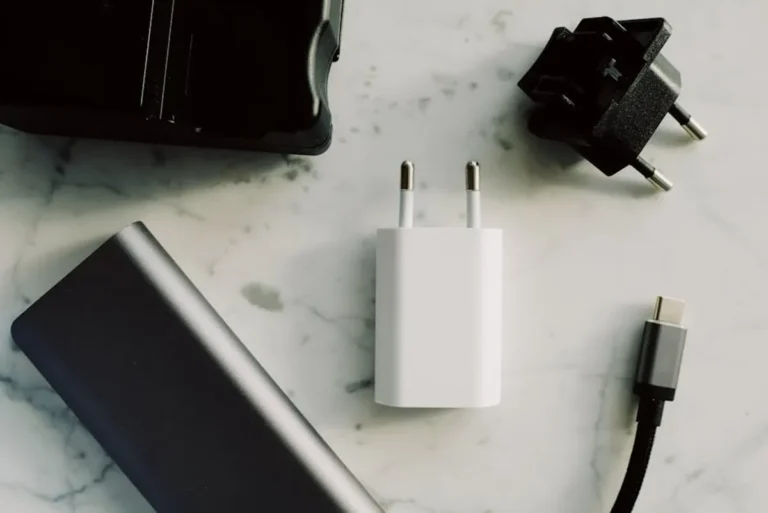
This gadget category addresses the critical need for sustained device power during extended travel, particularly in transit or remote locations where outlets are scarce. Modern units typically feature multiple output ports, including USB-A and USB-C Power Delivery (PD), allowing simultaneous charging of various devices like smartphones, tablets, and even some laptops. Capacities commonly range from 10,000 mAh for basic phone recharges to 20,000-30,000 mAh for multi-device, multi-day use. Look for models with pass-through charging capabilities, enabling the power bank to charge itself while also charging connected devices.
Best for: Long-haul flights, multi-day excursions, areas with unreliable power infrastructure, or travelers carrying multiple personal electronic devices.
Pros: Extends device uptime significantly; supports simultaneous charging; many models offer fast-charging protocols (e.g., Quick Charge, USB PD). Durable, shock-resistant casings are common.
Cons: Higher capacity models add substantial weight and bulk to luggage; recharge times for the power bank itself can be lengthy without a high-wattage input charger; some airlines impose restrictions on very high capacity (above 27,000 mAh/100Wh) power banks in checked luggage.
Verdict: Essential for maintaining productivity and communication on long trips, especially when away from consistent power sources. Prioritize capacity based on device count and trip length, balancing against weight constraints.
2. Active Noise-Cancelling Headphones
Active noise-cancelling headphones are designed to mitigate ambient sounds, creating a quieter environment for concentration, relaxation, or clearer audio consumption. They employ microphones to detect external noise and then generate an inverse sound wave to cancel it out. This technology is particularly effective against low-frequency hums common in aircraft cabins, trains, and busy public spaces. High-quality models also offer superior audio fidelity for music and calls, often featuring comfortable over-ear designs suitable for extended wear and long battery lives, frequently exceeding 20-30 hours on a single charge.
Best for: Long flights, train journeys, noisy hotel rooms, open-plan workspaces, or any environment where focus and quiet are priorities.
Pros: Significantly reduces auditory distractions; improves audio clarity for calls and media; enhances comfort during travel by reducing noise fatigue; many offer Bluetooth connectivity and multi-device pairing.
Cons: Can be bulky for packing, though many fold compactly; higher-end models represent a notable investment; battery life is critical for ANC functionality; some users experience a slight pressure sensation from the noise-cancellation effect.
Verdict: A critical tool for professionals seeking to maintain productivity or simply find respite in demanding travel environments. The ability to create a personal quiet zone is invaluable.
3. Universal Travel Adapter with USB-C PD
A universal travel adapter with integrated USB-C Power Delivery (PD) combines the functionality of multiple country-specific adapters into a single unit, alongside modern fast-charging capabilities. These adapters typically feature retractable prongs for various international outlets (Type A/B, C/E/F, G, I) and include multiple USB-A and at least one high-wattage USB-C PD port. This allows travelers to charge laptops, tablets, and phones directly from the adapter without needing separate power bricks, streamlining the charging process and reducing the number of items carried.
Best for: International travelers, those with multiple USB-C powered devices, or anyone aiming to minimize charging accessories while maintaining fast-charging speeds.
Pros: Eliminates the need for multiple adapters; provides fast charging for modern devices via USB-C PD; compact and often includes safety features like surge protection and child-proof shutters.
Cons: Can be larger and heavier than basic single-country adapters; some models may not support high-power appliances (e.g., hair dryers) due to wattage limitations; cheaper versions may lack robust safety certifications.
Verdict: An indispensable item for global travel, offering comprehensive power compatibility and efficient charging for a range of devices from a single, consolidated unit.
4. Compact Portable Wi-Fi Hotspot
A compact portable Wi-Fi hotspot provides secure, personal internet access on the go, independent of public Wi-Fi networks or unreliable hotel connections. These devices typically support 4G LTE or 5G cellular networks, allowing multiple devices (laptops, tablets, phones) to connect simultaneously. Many models offer global SIM card compatibility or eSIM functionality, enabling users to purchase local data plans or international roaming packages. Built-in batteries ensure hours of connectivity, crucial for maintaining work continuity or communication in areas with limited infrastructure.
Best for: Remote workers, business travelers requiring secure internet access, or groups needing shared connectivity in areas with poor Wi-Fi or expensive roaming.
Pros: Offers secure and reliable internet access; avoids risks associated with public Wi-Fi; supports multiple connected devices; provides predictable data costs through local SIMs or specific travel plans.
Cons: Requires purchasing separate data plans; adds another device to charge; initial hardware cost can be significant; signal strength depends on local cellular network availability.
Verdict: A strategic investment for anyone whose work depends on consistent and secure internet access, particularly valuable when operating across different countries or remote locations.
5. Portable SSD External Drive
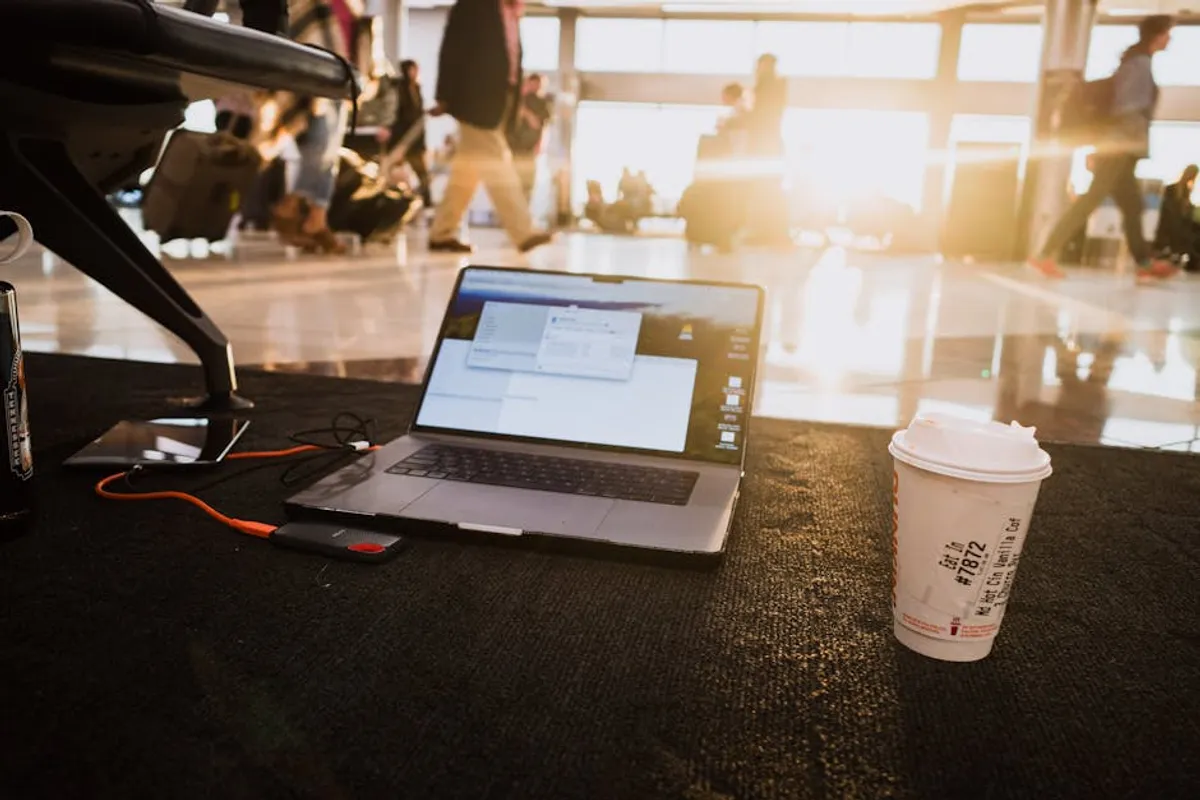
A portable Solid State Drive (SSD) external drive offers fast, durable, and reliable storage for backing up critical documents, media, and work files while traveling. Unlike traditional Hard Disk Drives (HDDs), SSDs have no moving parts, making them significantly more resistant to drops and impacts—a key advantage for travel. They connect via USB-C, providing high-speed data transfer rates, often reaching 500-1000 MB/s, which is crucial for large file transfers or working directly from the drive. Available in capacities from 500GB to several terabytes, they are compact and lightweight.
Best for: Photographers, videographers, content creators, or business professionals needing secure, fast, and robust backup storage for large files on the go.
Pros: Extremely durable and shock-resistant; offers very fast read/write speeds; compact and lightweight design; provides a reliable backup solution for sensitive or large data sets.
Cons: Higher cost per gigabyte compared to traditional HDDs; accidental loss can result in significant data loss if not also backed up to cloud services; requires careful management to prevent physical damage or theft.
Verdict: Essential for safeguarding valuable data during long trips, providing peace of mind through its speed and resilience, especially for those handling large volumes of digital assets.
6. E-Reader
An e-reader consolidates an entire library into a single, lightweight device, making it ideal for long trips where physical books add considerable bulk and weight. Modern e-readers feature e-ink displays that mimic the appearance of real paper, reducing eye strain even after hours of reading, unlike backlit LCD screens. They offer exceptional battery life, often lasting weeks on a single charge, and can store thousands of books, documents, and even PDFs. Many models include built-in lighting for reading in low-light conditions and connectivity for downloading new content wirelessly.
Best for: Avid readers, students, or professionals who need to review documents or enjoy leisure reading without carrying multiple physical books.
Pros: Extremely lightweight and compact; exceptional battery life; e-ink display reduces eye strain; access to vast libraries of content; often allows for note-taking and highlighting.
Cons: Limited functionality beyond reading; color displays are rare (and typically not e-ink); can be a distraction if connected to the internet; initial cost for a quality device.
Verdict: A practical choice for intellectual engagement and relaxation during travel downtime, providing a lightweight alternative to physical reading materials while conserving luggage space.
7. Digital Luggage Scale
A digital luggage scale is a compact, handheld device designed to accurately weigh suitcases and bags before arriving at the airport. This simple gadget helps travelers avoid unexpected excess baggage fees, which can be substantial, especially on international flights. Most models are battery-powered, feature a digital display, and can weigh luggage up to 50 kg (110 lbs) with high precision. Their small size means they can be easily packed and used for return journeys, ensuring compliance with airline weight limits on both legs of a trip.
Best for: Frequent flyers, travelers with multiple bags, those buying souvenirs or shopping abroad, or anyone looking to avoid airline baggage surcharges.
Pros: Prevents costly excess baggage fees; lightweight and easy to pack; provides accurate readings; simple to operate; useful for both outbound and return journeys.
Cons: Requires batteries; another item to remember to pack; some cheaper models may have inconsistent accuracy; limited to weighing individual bags, not total load.
Verdict: A small but highly effective tool for managing travel logistics and expenses, offering a clear return on investment by preventing a single excess baggage charge.
8. Compact Travel Router/VPN Device
A compact travel router or VPN device enhances network security and flexibility while abroad. These miniature routers can convert a wired hotel ethernet connection into a private Wi-Fi network, allowing multiple devices to connect securely. Many also offer VPN client capabilities, encrypting all traffic from connected devices and allowing users to bypass geo-restrictions or access corporate networks securely. They are powered via USB, making them easy to integrate into existing charging setups, and are small enough to fit in a pocket.
Best for: Business travelers needing secure network access, users wanting to bypass geo-blocking for streaming or services, or anyone concerned about privacy on public Wi-Fi networks.
Pros: Creates a secure, private Wi-Fi network; enables VPN functionality for all connected devices; compact and USB-powered; useful for bypassing content restrictions.
Cons: Requires configuration; relies on the underlying internet connection quality; adds another device to manage and power; may not be compatible with all hotel network setups.
Verdict: A valuable tool for maintaining digital security and access flexibility, especially for professionals who frequently use public or hotel Wi-Fi networks.
9. Smart Water Bottle with Filter
A smart water bottle with an integrated filter addresses hydration needs and environmental concerns during long trips. These bottles typically feature advanced filtration systems that remove bacteria, protozoa, and microplastics from various water sources, making tap water potable in many regions. Some "smart" models also include UV-C purification for viruses or track water intake via a companion app. Their durable construction and reusability reduce reliance on single-use plastic bottles, aligning with sustainable travel practices.
Best for: Adventure travelers, those visiting areas with questionable tap water quality, or environmentally conscious individuals seeking to reduce plastic waste.
Pros: Ensures access to safe drinking water; reduces environmental impact of plastic bottles; promotes consistent hydration; durable and often leak-proof designs.
Cons: Filters require periodic replacement; initial cost can be higher than standard bottles; some filters may not remove all chemical contaminants; adds weight when full.
Verdict: A practical and eco-friendly gadget that supports health and sustainability, particularly useful in destinations where bottled water is the only perceived safe option.
10. Portable Ergonomic Laptop Stand/Keyboard
A portable ergonomic laptop stand, often paired with a compact external keyboard, transforms a standard laptop setup into a more comfortable and productive workstation. These stands elevate the laptop screen to eye level, reducing neck and back strain, while a separate keyboard allows for a more natural typing posture. Many stands are foldable, lightweight, and made from aluminum or durable plastic, fitting easily into a laptop bag. This setup is crucial for professionals who spend extended periods working on their laptops in non-ideal environments like hotel desks or co-working spaces.
Best for: Digital nomads, remote workers, or business travelers who need to maintain ergonomic comfort and productivity while working on the go.
Pros: Significantly improves posture and reduces strain; enhances air circulation for the laptop; compact and lightweight designs; boosts productivity during extended work sessions.
Cons: Adds two separate items to carry (stand and keyboard); requires a flat surface for setup; may not be practical in very confined spaces (e.g., airplane tray tables).
Verdict: A wise investment for sustained comfort and efficiency, critical for avoiding physical discomfort and maintaining high output during long work-focused trips.
11. Wearable GPS Tracker
A wearable GPS tracker, often designed as a small, attachable device, provides real-time location tracking for luggage, personal items, or even children. These trackers typically use a combination of GPS, Wi-Fi, and cellular networks to pinpoint their location, which can then be viewed on a smartphone app. Many offer geofencing capabilities, alerting the user if an item leaves a predefined area. With long-lasting batteries (sometimes months), they offer peace of mind against loss or theft, particularly valuable for checked bags or expensive equipment.
Best for: Travelers concerned about lost luggage, parents traveling with children, or anyone wanting to safeguard valuable items during transit.
Pros: Provides real-time location data; offers peace of mind; compact and easy to attach; some models have extended battery life; can aid in recovery of lost items.
Cons: Requires a subscription service for cellular tracking; battery life varies and needs monitoring; signal can be lost in certain environments (e.g., deep inside a building); initial hardware cost.
Verdict: A proactive security measure for safeguarding belongings and providing critical location data, especially beneficial for high-value items or sensitive travel situations.
12. Mini Portable Projector
A mini portable projector offers versatile display capabilities for both business presentations and personal entertainment while traveling. These compact devices can project images and videos onto any flat surface, often supporting resolutions up to 1080p. Connectivity options typically include HDMI, USB, and wireless mirroring (e.g., AirPlay, Chromecast), allowing easy connection to laptops, smartphones, or streaming sticks. Many models feature built-in speakers and rechargeable batteries, providing a self-contained visual solution without needing external power or complex setups.
Best for: Business professionals needing to conduct presentations in various locations, or travelers seeking to enhance their entertainment options in hotel rooms or shared spaces.