
The integration of purpose-built gadgets into daily routines shifts mundane tasks into streamlined processes, offering tangible improvements in efficiency, convenience, and personal well-being. These devices are not merely novelties; they are engineered solutions designed to address common friction points, optimize time management, or enhance comfort throughout the day. Selecting the right tools means identifying specific needs and matching them with devices that offer clear, measurable benefits, rather than simply adding another item to a countertop. The focus remains on utility: how a gadget concretely solves a problem, saves time, reduces effort, or improves an experience.
How to Select the Right Everyday Gadgets
Choosing gadgets that genuinely enhance daily life requires a pragmatic approach, focusing on specific criteria beyond initial appeal. First, consider the device's primary utility: does it solve a recurring problem, automate a tedious task, or provide a significant convenience that you currently lack? Prioritize function over novelty. Second, evaluate integration with existing routines and technology. A gadget that requires extensive setup or disrupts established workflows may create more friction than it resolves. Compatibility with your smartphone, smart home ecosystem, or preferred applications is a key factor for seamless adoption.
Durability and build quality are also critical. Everyday items endure constant handling and varying environments, so robust construction translates directly into longevity and sustained value. Research materials, waterproofing, and impact resistance where applicable. Battery life is another practical concern for portable devices; frequent recharging can negate convenience. Look for devices with extended operational periods or quick-charging capabilities. Finally, assess the long-term value. Does the gadget offer features that remain relevant over time, or is it likely to become obsolete quickly? Consider the manufacturer's support for software updates and potential repairs. A higher initial investment in a well-made, versatile gadget often yields greater satisfaction and a lower total cost of ownership than multiple cheaper, less reliable alternatives.
1. Smart Mug
The smart mug is engineered to maintain a precise beverage temperature for extended periods, moving beyond simple insulation. It integrates heating elements and temperature sensors, often controllable via a companion app, allowing users to set and sustain their preferred hot drink temperature. This prevents coffee or tea from cooling prematurely, ensuring consistent enjoyment from the first sip to the last. Its utility is particularly pronounced for individuals who consume hot beverages slowly or are frequently interrupted during their workday, eliminating the need for reheating or discarding lukewarm drinks.
Best for: Individuals who frequently consume hot beverages and desire consistent temperature control, especially those with busy schedules or desk-bound work.
Pros:
- Maintains precise beverage temperature for hours.
- Reduces waste from discarded cold drinks.
- Often features app control for customized temperature settings.
- Some models offer charging coasters that double as warmers.
Cons:
- Requires charging, adding another device to power.
- Higher cost than traditional insulated mugs.
- Limited capacity in some models.
- Not suitable for cold beverages.
Verdict: A practical luxury for hot beverage enthusiasts, delivering on its promise of sustained warmth, provided the user accepts the charging requirement and premium price point.
2. Portable Power Bank
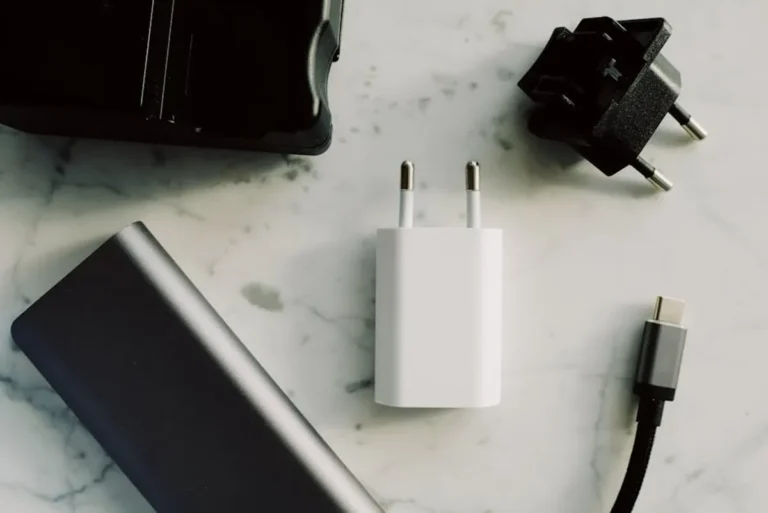
A portable power bank provides on-demand electrical energy for mobile devices, serving as an essential accessory for anyone relying on smartphones, tablets, or other USB-powered gadgets throughout the day. These compact units store power in rechargeable lithium-ion batteries and deliver it via USB ports, offering a lifeline when wall outlets are unavailable. Capacities vary widely, measured in milliampere-hours (mAh), dictating how many full charges a power bank can provide. Higher capacity models support multiple device charges or power larger devices like laptops, while smaller units prioritize portability for emergency top-ups.
Best for: Commuters, travelers, remote workers, or anyone needing reliable power for mobile devices away from fixed charging points.
Pros:
- Extends device battery life significantly.
- Highly portable and available in various capacities.
- Supports multiple device types via USB.
- Essential for emergencies or extended periods away from power.
Cons:
- Requires pre-charging itself.
- Larger capacities can add noticeable weight.
- Charging speeds vary depending on output ports.
- Can degrade over time with frequent use.
Verdict: An indispensable tool for modern device users, offering critical power autonomy that directly impacts productivity and communication on the go.
3. Noise-Cancelling Earbuds
Noise-cancelling earbuds utilize active noise cancellation (ANC) technology to reduce ambient sound, creating a quieter listening environment. Microphones detect external noise frequencies, and the earbuds generate inverse sound waves to cancel them out, allowing users to focus on audio content or enjoy silence. This technology is particularly effective against low-frequency sounds like engine hums or office chatter. Beyond ANC, these earbuds typically offer high-fidelity audio playback and often include features like transparency mode (allowing ambient sound to pass through) and customizable EQ settings, enhancing versatility for various environments.
Best for: Individuals working or commuting in noisy environments, frequent travelers, or anyone seeking an immersive audio experience without external distractions.
Pros:
- Significantly reduces ambient noise for improved focus.
- Enhances audio clarity and listening pleasure.
- Portable and discreet compared to over-ear headphones.
- Often includes transparency modes for situational awareness.
Cons:
- Higher cost than standard earbuds.
- ANC can sometimes create a pressure sensation for sensitive users.
- Battery life is reduced when ANC is active.
- Sound quality can vary between models.
Verdict: A valuable investment for creating personal quiet zones, these earbuds are crucial for productivity and peace in increasingly loud daily settings.
4. Smart Water Bottle
A smart water bottle tracks fluid intake and provides reminders to hydrate throughout the day, addressing a common oversight in personal health. These bottles typically integrate sensors that measure water volume and communicate data via Bluetooth to a companion app on a smartphone. The app analyzes consumption patterns, sets hydration goals based on personal metrics (like activity level or body weight), and sends push notifications or illuminates the bottle to prompt drinking. This gamified approach to hydration helps establish consistent habits and ensures adequate fluid intake, which is vital for cognitive function and physical health.
Best for: Individuals aiming to improve hydration habits, fitness enthusiasts tracking intake, or those needing consistent reminders to drink water.
Pros:
- Actively monitors and logs water intake.
- Provides personalized hydration goals and reminders.
- Helps establish consistent drinking habits.
- Data synchronization with health apps is common.
Cons:
- Requires regular charging for the smart components.
- Higher cost than conventional water bottles.
- App dependency for full functionality.
- Can be bulkier than standard bottles.
Verdict: An effective behavioral aid for hydration, offering a data-driven approach to a fundamental health practice, particularly useful for those who struggle with consistent water consumption.
5. Compact Portable Projector
Compact portable projectors offer immediate, large-screen display capabilities in a highly transportable form factor. These devices leverage LED or laser light sources and miniaturized optics to project images and video onto any flat surface. Connectivity options typically include HDMI, USB, and often wireless casting technologies, allowing for easy integration with smartphones, laptops, and streaming sticks. Their utility spans spontaneous entertainment, quick presentations in informal settings, or creating an ambient visual experience without the bulk of a traditional television. Battery-powered models enhance their versatility, freeing them from power outlets.
Best for: Mobile professionals needing quick presentation solutions, casual entertainers, campers, or anyone desiring a flexible, large-screen viewing experience on demand.
Pros:
- Creates large displays from a small device.
- Highly portable and easy to set up.
- Versatile for entertainment, presentations, and ambiance.
- Battery-powered options offer true wireless freedom.
Cons:
- Image brightness and resolution are often lower than full-sized projectors.
- Requires a dark environment for optimal viewing.
- Built-in speakers are typically small and require external audio for best experience.
- Battery life can be limited for extended viewing.
Verdict: A practical device for flexible visual output, offering significant utility for ad-hoc viewing or professional presentations where a large display is needed without permanent installation.
6. Basic Smart Home Hub
A basic smart home hub acts as a central control point for various smart devices within a household, simplifying management and enabling automation routines. These hubs typically support multiple wireless protocols (e.g., Wi-Fi, Bluetooth, Zigbee, Z-Wave) to communicate with lights, thermostats, door locks, and other connected gadgets. Instead of managing each device through its proprietary app, the hub consolidates control into a single interface, often with voice assistant integration. This enables users to create "scenes" or "routines" where multiple devices act in concert, such as dimming lights and locking doors when leaving home.
Best for: Individuals beginning to build a smart home ecosystem, those seeking centralized control over diverse smart devices, or users wanting to simplify home automation.
Pros:
- Consolidates control of multiple smart devices.
- Enables complex automation routines and scenes.
- Often integrates with popular voice assistants.
- Enhances convenience and energy efficiency.
Cons:
- Initial setup can be complex for non-technical users.
- Compatibility issues can arise with certain devices.
- Requires a reliable home internet connection.
- Can be an additional upfront cost.
Verdict: A foundational gadget for modern homes, providing the necessary infrastructure to transform disparate smart devices into a cohesive, automated living environment.
7. Digital Notebook / E-Ink Tablet
Digital notebooks, often leveraging E-Ink technology, replicate the experience of writing on paper while offering the benefits of digital storage and organization. These tablets allow users to handwrite notes, sketch diagrams, and annotate documents using a stylus, with the content immediately digitized and saved. Features often include cloud synchronization, template libraries, and the ability to convert handwriting to text. Unlike traditional tablets, E-Ink screens are glare-free and easy on the eyes, making them suitable for extended reading and writing sessions without digital eye strain. They reduce paper consumption and provide searchable, shareable notes.
Best for: Students, professionals, artists, or anyone who prefers handwritten notes but requires digital organization, searchability, and cloud backup.
Pros:
- Authentic paper-like writing experience.
- Reduces paper waste and clutter.
- Notes are instantly digitized, searchable, and shareable.
- E-Ink screen is easy on the eyes for long sessions.
Cons:
- Higher cost than physical notebooks.
- Limited color display (typically monochrome).
- Requires charging, unlike paper.
- Learning curve for new digital features.
Verdict: An excellent bridge between analog comfort and digital efficiency, this gadget significantly streamlines note-taking and document management for those who value both tactile input and digital convenience.
8. Key and Wallet Finder
Key and wallet finders are small, Bluetooth-enabled trackers designed to locate lost personal items within a short range. These devices attach to keys, slip into wallets, or adhere to other frequently misplaced objects. When activated via a smartphone app, the tracker emits an audible alarm, guiding the user to its location. Many models also offer reverse finding, allowing the tracker to ring the paired phone. Advanced versions include crowd-sourced GPS tracking, leveraging other users' devices to anonymously locate items outside of Bluetooth range, providing a broader safety net for valuable possessions.
Best for: Individuals prone to misplacing keys, wallets, or other small, essential items, and those seeking peace of mind regarding their belongings.
Pros:
- Quickly locates misplaced items via sound.
- Compact and easily attachable to various objects.
- Many offer reverse phone finding.
- Advanced models provide crowd-sourced location tracking.
Cons:
- Limited Bluetooth range for direct finding.
- Requires battery replacement or recharging.
- Crowd-sourced tracking depends on network density.
- Can be an additional small item to manage.
Verdict: A straightforward and highly effective solution for reducing the daily frustration and time loss associated with lost personal items, offering significant practical value for its simplicity.
9. Cordless Handheld Vacuum
A cordless handheld vacuum provides immediate, localized cleaning power for spills, crumbs, and dust in hard-to-reach areas. Unlike full-sized vacuums, these compact units are lightweight, battery-operated, and designed for quick cleanups without the hassle of cords or hoses. Their portability makes them ideal for kitchens, car interiors, office desks, and pet hair on furniture. Various attachments typically accompany the unit, such as crevice tools and brush nozzles, enhancing their versatility for different surfaces and debris types. This gadget promotes a cleaner environment by making immediate tidying effortless.
Best for: Homeowners, pet owners, car owners, or anyone needing a quick, convenient solution for minor messes and spot cleaning without deploying a larger vacuum.
Pros:
- Highly portable and easy to maneuver.
- Excellent for quick cleanups and spot messes.
- No cords to manage or outlets to find.
- Often includes specialized attachments for versatility.
Cons:
- Limited suction power compared to full-sized vacuums.
- Battery life can be short on higher power settings.
- Small dustbin requires frequent emptying.
- Not suitable for large-area cleaning.
Verdict: An essential tool for maintaining immediate cleanliness, this vacuum offers unparalleled convenience for addressing everyday spills and dust, saving time and effort on minor tidying tasks.
10. UV Sanitizer Box
A UV sanitizer box uses ultraviolet-C (UV-C) light to disinfect small personal items, targeting bacteria and viruses on surfaces. These compact enclosures contain UV-C lamps that expose items like smartphones, keys, wallets, and earbuds to germicidal light, typically completing a sanitization cycle within minutes. The process is chemical-free and does not require liquids, making it safe for electronics. This gadget addresses growing concerns about surface hygiene, offering a practical method to reduce pathogen transmission from frequently touched objects that are difficult to clean with traditional methods.
Best for: Individuals concerned with personal hygiene, those who frequently handle shared items, or anyone wanting to regularly disinfect their smartphone and small accessories.
Pros:
- Effectively disinfects small items using UV-C light.
- Chemical-free and safe for electronics.
- Quick sanitization cycles (typically 5-10 minutes).
- Easy to use with a simple one-button operation.
Cons:
- Only sanitizes surfaces exposed to UV-C light; shadows can protect microbes.
- Limited to small items that fit inside the box.
- Requires a power source.
- Effectiveness against all pathogens can vary by device.
Verdict: A relevant and practical gadget for enhancing personal hygiene, offering a convenient method to sanitize frequently touched items that often harbor germs, contributing to overall health awareness.
11. Smart Plug
A smart plug transforms any ordinary appliance into a smart device by providing remote control and scheduling capabilities via a smartphone app or voice assistant. These plugs insert into standard wall outlets, and the appliance then plugs into the smart plug. Users can turn devices on or off, set timers, create schedules, and monitor energy consumption from anywhere with an internet connection. This enables automation of lights, fans, coffee makers, and other non-smart devices, offering convenience, energy savings, and enhanced security by simulating occupancy when away from home.
Best for: Homeowners seeking to automate existing appliances, reduce energy consumption, or enhance home security with scheduled lighting.
Pros:
- Turns non-smart appliances into smart devices.
- Enables remote control, scheduling, and automation.
- Can monitor energy usage for cost savings.
- Easy to install and use.
Cons:
- Requires a Wi-Fi connection for remote functionality.
- Not suitable for high-power appliances (e.g., ovens, dryers).
- Can add slight bulk to wall outlets.
- Some models require a hub for full functionality.
Verdict: An accessible and cost-effective entry point into home automation, offering significant convenience and potential energy savings by intelligently managing everyday appliances.
12. Smart Posture Corrector
A smart posture corrector is a wearable device designed to help users improve their ergonomic alignment throughout the day. These compact sensors adhere to the upper back or attach to clothing and monitor spinal position. When the wearer slouches or maintains poor posture for an extended period, the device provides gentle vibrational feedback or sends alerts to a companion smartphone app. The app often includes tracking, personalized coaching, and exercises to strengthen core muscles and reinforce healthy posture habits, mitigating the physical strain associated with prolonged sitting or desk work.
Best for: Office workers, students, or anyone spending long hours seated who experiences back pain or wishes to improve their ergonomic health and awareness.
Pros:
- Provides real-time feedback on posture.
- Helps build long-term posture awareness and habits.
- Can alleviate back and neck pain associated with poor posture.
- App integration offers tracking and coaching.
Cons:
- Requires consistent wear and charging.
- Initial discomfort or adjustment period.
- Effectiveness depends on user commitment to feedback.
- Can be visible under thin clothing.
Verdict: A proactive health gadget that addresses a pervasive modern problem, offering a tangible mechanism to improve posture and reduce musculoskeletal strain, provided the user engages with its feedback consistently.
13. Portable Document Scanner
A portable document scanner digitizes paper documents on the go, providing a compact and efficient alternative to traditional flatbed scanners or smartphone camera apps for critical paperwork. These devices are lightweight and often battery-powered, capable of scanning single sheets, receipts, business cards, or even multi-page documents quickly. They typically save files as PDFs or JPEGs to an SD card, internal memory, or directly to a computer/cloud service via Wi-Fi or USB. Their utility lies in instantly preserving information, reducing physical paper clutter, and enabling quick sharing of documents from any location.
Best for: Business travelers, field workers, students, or anyone needing to digitize receipts, contracts, notes, or other paper documents away from a traditional office setup.
Pros:
- Highly portable and battery-operated for mobile use.
- Produces higher quality scans than most smartphone cameras.
- Quickly digitizes single or multi-page documents.
- Reduces paper clutter and facilitates digital organization.
Cons:
- Limited to single-sheet feeding (most models).
- Requires careful alignment for optimal scan quality.
- Battery life can be a concern for high-volume scanning.
- Can be a niche tool for some users.
Verdict: A specialized but highly effective gadget for individuals who frequently handle paper documents remotely, offering a professional and efficient solution for digital archiving and sharing.
14. Smart Sleep Tracker
A smart sleep tracker monitors and analyzes sleep patterns to provide insights into sleep quality and duration. These devices, often integrated into wearables like smartwatches or dedicated bedside sensors, record metrics such as sleep stages (REM, light, deep), heart rate, breathing patterns, and disturbances. The collected data is then presented in a companion app, offering detailed graphs, scores, and personalized recommendations for improving sleep hygiene. By identifying trends and issues, a sleep tracker empowers users to make informed adjustments to their routines, leading to more restorative rest and improved daytime performance.
Best for: Individuals concerned about sleep quality, those experiencing sleep disturbances, or anyone looking to optimize their rest for better health and productivity.
Pros:
- Provides detailed insights into sleep stages and patterns.
- Identifies potential sleep issues or disturbances.
- Offers personalized recommendations for improvement.
- Can integrate with other health and wellness apps.
Cons:
- Accuracy can vary between devices and technologies.
- Requires consistent use (wearing or placing sensor).
- Data interpretation might require professional advice.
- Can sometimes cause anxiety about sleep performance.
Verdict: A valuable diagnostic tool for personal health, offering objective data on sleep quality that can inform lifestyle changes and contribute significantly to overall well-being and energy levels.
Maximizing Utility: Choosing and Integrating Gadgets Effectively
Integrating new gadgets into daily life effectively goes beyond the initial purchase; it involves a continuous assessment of their impact and utility. After selecting a gadget, dedicate time to understanding its full capabilities and how it interacts with your existing tools and routines. Many devices offer customizable settings or advanced features that can unlock additional value if explored. Regularly review whether a gadget is genuinely simplifying tasks or merely adding another layer of complexity. If a device requires constant troubleshooting or doesn't deliver on its promised benefits, reassess its place in your daily setup.
Consider the ecosystem compatibility of your chosen gadgets. Devices that communicate seamlessly with each other or integrate with a central smart home platform often provide a more cohesive and automated experience. Prioritize devices with robust app support, regular firmware updates, and strong privacy policies, ensuring long-term functionality and data security. Finally, maintain your gadgets appropriately—charging regularly, cleaning as needed, and replacing consumables—to ensure their longevity and consistent performance. Strategic integration means every gadget serves a clear purpose, contributing to a more efficient, comfortable, and productive daily existence.
Frequently Asked Questions About Everyday Gadgets
Q: How do I determine if a gadget is truly "useful" for my everyday life?
A: A truly useful gadget solves a specific, recurring problem you face, saves you a noticeable amount of time or effort, or significantly enhances a daily experience. Before purchasing, identify the pain point or desire the gadget addresses and consider if its benefits outweigh its cost and any new maintenance requirements.
Q