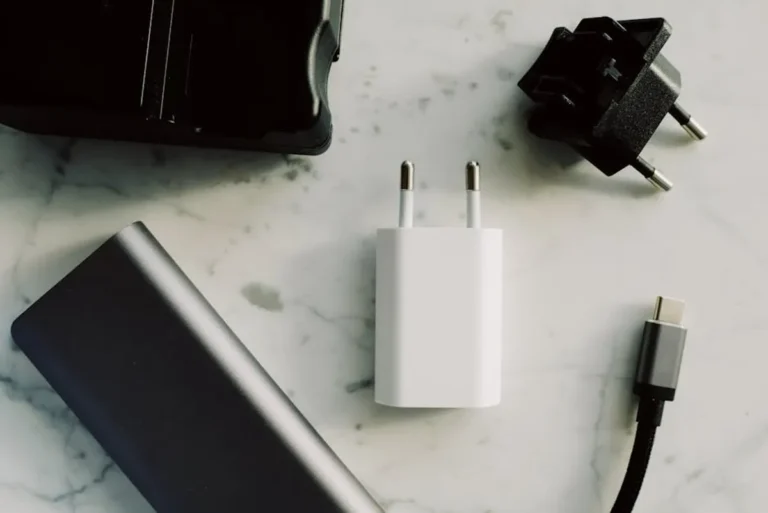

Building a dedicated tech toolkit for home repairs offers a practical solution to common device malfunctions, preventing unnecessary service calls or premature replacements. Many household electronics, from computers and smart devices to small appliances, often require minor interventions that are straightforward with the right tools. This approach empowers users to diagnose and resolve issues like loose connections, component swaps, or basic cleaning, extending the lifespan of their technology and saving costs. Investing in a foundational set of tools means being prepared for routine maintenance and unexpected glitches, fostering self-sufficiency in an increasingly connected home environment.
Foundational Hand Tools for General Tech Maintenance
While many tech repairs demand specialized instruments, a core set of general hand tools forms the backbone of any effective home tech kit. These items address common physical issues, component access, and basic structural adjustments.
Versatile Screwdriver Sets
A comprehensive screwdriver set is indispensable. Look for a kit that includes a range of sizes and head types. Standard Phillips and flathead drivers cover most general electronics, but specialized bits are crucial for modern devices. Torx bits, particularly T5 to T10, are common in laptops and gaming consoles. Pentalobe drivers are proprietary to Apple devices. Magnetic tips are a practical feature, preventing small screws from being dropped and lost inside casings. Ergonomic handles improve grip and reduce hand fatigue during extended work.
Precision Pliers and Cutters
A small set of pliers and cutters serves multiple functions. Needle-nose pliers are ideal for gripping small components, bending wires, or retrieving dropped screws from tight spaces. Diagonal cutters, often called side cutters, are essential for trimming wires, zip ties, or excess plastic. Flush cutters provide a clean, flat cut, useful for delicate work on circuit boards or cable management. Ensure these tools have insulated handles for safety, even when working with low-voltage components.
Illumination Tools
Adequate lighting is critical for working inside dimly lit device casings or under desks. A compact LED headlamp provides hands-free illumination, directing light precisely where needed. Alternatively, a small, bright LED flashlight with a focused beam can be effective. Look for models with adjustable brightness settings and a durable, impact-resistant casing.
Pro Tip: Before disassembling any electronic device, always disconnect it from its power source and allow a few minutes for residual charge to dissipate. For devices with internal batteries, consult the manufacturer's service manual for safe disconnection procedures to prevent electrical shock or component damage.
Specialized Instruments for Electronics
Moving beyond general tools, certain items are specifically designed for the delicate nature of electronic components, ensuring repairs are performed without causing further damage.
Precision Screwdriver Kit
Separate from general sets, a precision screwdriver kit contains miniature drivers with very small tips, often including Torx, Phillips, flathead, Pentalobe, and tri-wing bits. These are vital for smartphones, tablets, smartwatches, and other compact electronics where standard drivers are too large. Kits with swiveling caps on the handles allow for constant downward pressure while turning, improving control.
Spudgers and Opening Picks
Plastic or nylon spudgers and opening picks are non-marring tools used to pry open device casings, disconnect ribbon cables, and manipulate delicate components without scratching or shorting. Metal equivalents exist but require more caution to avoid damage. A variety of shapes and thicknesses allows for different leverage points and access into tight seams.
Anti-Static Measures
Electrostatic discharge (ESD) can permanently damage sensitive electronic components. An anti-static wrist strap, connected to a grounded point (like a metal computer case or a grounded outlet), safely dissipates static electricity from your body. An anti-static mat provides a safe working surface for components, further reducing ESD risk. These are non-negotiable for internal computer or console work.
Fine-Tip Tweezers
A set of fine-tip tweezers, both straight and angled, is essential for handling tiny screws, small connectors, jumper caps, and delicate wires. Non-conductive ceramic or plastic-tipped tweezers are useful for working around live circuits or sensitive components where metal contact could cause a short.
Diagnostic and Testing Equipment
Effective troubleshooting often requires tools that can test electrical signals, continuity, and network integrity. These tools help pinpoint the exact nature of a problem before attempting a repair.
Digital Multimeter (DMM)
A digital multimeter is a versatile tool for electrical diagnostics. It measures voltage (AC/DC), current (amps), and resistance (ohms). Key functions for tech repair include checking battery voltage, verifying continuity in cables or circuits, and testing power supply outputs. Look for auto-ranging models for ease of use and a clear, backlit display.
Cable Tester
For network or data issues, a simple cable tester can quickly verify the integrity of Ethernet (RJ45), USB, or HDMI cables. It checks for open circuits, shorts, and correct wiring configurations, saving time by ruling out faulty cables as the source of a problem.
Magnification Tools
Inspecting small components, circuit board traces, or tiny print requires magnification. A magnifying glass with an integrated LED light or a jeweler's loupe provides sufficient magnification for identifying component numbers, solder joint quality, or minor physical damage.
Consumables and Organization
Beyond tools, a practical toolkit includes essential consumables and a system for organization, ensuring efficiency and preventing loss.
Essential Consumables
- Cable Ties and Velcro Straps: For managing and organizing internal and external cables, improving airflow and reducing clutter.
- Compressed Air Duster: Safely removes dust and debris from fans, vents, keyboards, and internal components without physical contact.
- Isopropyl Alcohol (90%+): Excellent for cleaning circuit boards, electrical contacts, and thermal paste residue. Use with lint-free cloths or cotton swabs.
- Lint-Free Microfiber Cloths: For cleaning screens, lenses, and sensitive surfaces without scratching or leaving residue.
- Thermal Paste: Necessary when replacing CPU/GPU coolers or removing heatsinks on many devices to ensure efficient heat transfer.
Storage and Organization
A dedicated storage solution keeps tools organized and protected. A multi-compartment tool case or a heavy-duty fabric tool roll prevents tools from getting lost or damaged. Small plastic organizers with adjustable dividers are invaluable for storing tiny screws, spare parts, and specialized bits. Labeling compartments can further streamline the repair process.
Maintaining Your Toolkit and Safety Practices
A well-maintained toolkit is more effective and safer to use. Regularly inspect tools for wear and tear, especially screwdriver tips and plier jaws. Keep tools clean and dry to prevent corrosion. Always prioritize safety: wear safety glasses when cutting or prying, and ensure devices are de-energized before beginning work. Understanding basic electrical safety principles is paramount when working with any electronic device.
Frequently Asked Questions About Home Tech Toolkits
What is the minimum set of tools I need for basic tech repairs?
For basic repairs, start with a good precision screwdriver set (Phillips, flathead, Torx), a plastic spudger, a pair of fine-tip tweezers, and an anti-static wrist strap. These cover most common tasks like component swaps or opening casings.
How can I protect my electronics from static electricity during repairs?
Always use an anti-static wrist strap connected to a grounded point on the device or an outlet. Work on an anti-static mat, and avoid working on carpeted surfaces or wearing wool clothing, which can generate static.
Are expensive tools always better for home tech repair?
Not necessarily. While high-quality tools offer durability and precision, many affordable sets provide sufficient functionality for home use. Focus on tools with good reviews and appropriate features rather than just brand name or price.
Can I use standard household cleaning products on electronics?
Avoid standard household cleaners. Use specialized electronics cleaning solutions, such as 90%+ isopropyl alcohol, and lint-free microfiber cloths. Harsh chemicals or excessive moisture can damage sensitive components and finishes.