
Purchasing refurbished technology offers a compelling value proposition, blending cost savings with environmental benefits. However, the market for refurbished goods is diverse, ranging from expertly restored devices with comprehensive warranties to products that are merely "used" and quickly resold. Navigating this landscape requires a methodical approach to ensure the device you receive meets expectations for quality, performance, and longevity. The decision to buy refurbished isn't just about the initial price; it's about understanding the seller's process, the product's condition, and the support available post-purchase. This guide outlines the critical steps to evaluate refurbished tech and its vendors, transforming a potentially risky purchase into a reliable investment.
Understanding Refurbishment Grades and Types
Not all refurbished items are created equal. The term "refurbished" itself indicates a product that has been previously owned or used, returned for various reasons, and subsequently inspected, repaired if necessary, and prepared for resale. The key differentiator lies in who performs this process and to what standard.
- Manufacturer Refurbished: These products are typically returned to the original manufacturer, undergo rigorous testing, repair with genuine parts, and often come with a warranty comparable to new products. This option generally offers the highest reliability, as manufacturers adhere to their own quality control standards.
- Certified Pre-Owned (CPO): Often seen with mobile devices, CPO programs are run by manufacturers or authorized resellers. Devices pass multi-point inspections, receive necessary repairs, and are backed by a warranty. Like manufacturer refurbished, CPO signifies a high standard of restoration.
- Seller Refurbished: This category encompasses devices restored by third-party vendors or individual sellers. Quality can vary significantly. Some reputable sellers operate professional refurbishment centers with strict protocols, while others may offer minimal repairs. This is where vetting the seller becomes paramount.
Many sellers also employ a grading system to describe cosmetic condition, typically A, B, or C. Grade A usually means near-mint condition with minimal signs of wear. Grade B indicates minor cosmetic imperfections like light scratches or scuffs. Grade C suggests more noticeable wear, which might include deeper scratches or small dents, though functionality should remain unaffected. Always clarify the grading system used by the specific seller before purchase.
Vetting the Seller: The Most Critical Step
The integrity of your refurbished tech purchase hinges significantly on the seller's credibility. Prioritize established vendors over individual marketplace listings, as they typically offer more robust policies and accountability.
Reputation and Reviews
Begin by researching the seller's track record. Look beyond their own website testimonials. Consult independent review platforms, consumer protection sites, and tech forums for unbiased feedback. Pay attention to comments regarding product accuracy, customer service responsiveness, and warranty fulfillment. A consistent pattern of positive reviews, particularly concerning product condition and post-sale support, indicates a reliable vendor.
Warranty Policies
A comprehensive warranty is non-negotiable for refurbished tech. A minimum 90-day warranty is standard, but reputable sellers often provide 6 months to a year. Understand precisely what the warranty covers (parts, labor, specific components like battery or screen) and the process for making a claim. Clarify who bears the cost of shipping for warranty repairs. A strong warranty demonstrates the seller's confidence in their refurbishment process.
Return Policies
Even with thorough vetting, a product might not meet your expectations. A clear, hassle-free return policy is essential. Look for a return window of at least 14 to 30 days. Understand if there are restocking fees, and crucially, who is responsible for return shipping costs if the item is defective or not as described. Sellers who offer free returns for any reason within a reasonable period signal confidence and customer focus.
Customer Support
Before committing, test the seller's customer support. Send a pre-sales inquiry via email or phone. Assess their responsiveness, clarity, and willingness to answer detailed questions about their refurbishment process, grading, and policies. Accessible and helpful support is a strong indicator of a seller who will stand behind their products.
Inspecting the Device: What to Check Upon Arrival
Once your refurbished tech arrives, a thorough inspection is crucial. Do not discard packaging or protective films until you've completed these checks.
Cosmetic Condition
Compare the device's physical appearance against the seller's description and grading. Look for scratches, dents, or scuffs that exceed the stated condition. Pay close attention to the screen for any deep scratches, dead pixels, or backlight bleed, which can be particularly distracting.
Functionality Tests
A comprehensive functional test ensures all components operate as expected:
- Battery Health: For laptops, phones, and tablets, check the battery's maximum capacity. Most operating systems provide this information (e.g., iOS: Settings > Battery > Battery Health; macOS: System Information > Power; Windows: use command prompt 'powercfg /batteryreport'). Aim for 80% or higher capacity relative to new.
- Ports: Test every USB, HDMI, audio jack, and charging port with a known working accessory.
- Screen: Beyond visual defects, check for touch responsiveness (for touchscreens) and proper display calibration.
- Camera, Microphone, Speakers: Test both front and rear cameras, record a short audio clip, and play sound through speakers and headphone jack.
- Connectivity: Verify Wi-Fi, Bluetooth, and cellular (if applicable) connections are stable and perform as expected.
- Operating System: Ensure the OS is legitimate, activated, and has no lingering data from previous owners. Perform any available software updates.
Pro Tip: For devices with integrated batteries like smartphones or laptops, battery health is a primary concern. A battery with significantly reduced capacity will degrade the user experience and may require costly replacement sooner than expected. Always confirm the seller's policy on battery performance guarantees.
Software and Security Considerations
Refurbished devices should arrive factory reset and free of any previous user data or accounts. Verify the operating system is a genuine, licensed version. Check for any pre-installed "bloatware" that isn't part of the standard OS installation. Crucially, ensure the device isn't locked to a previous owner's cloud account (e.g., iCloud Activation Lock for Apple devices, Google Factory Reset Protection for Android). This can render the device unusable.
Documentation and Accessories
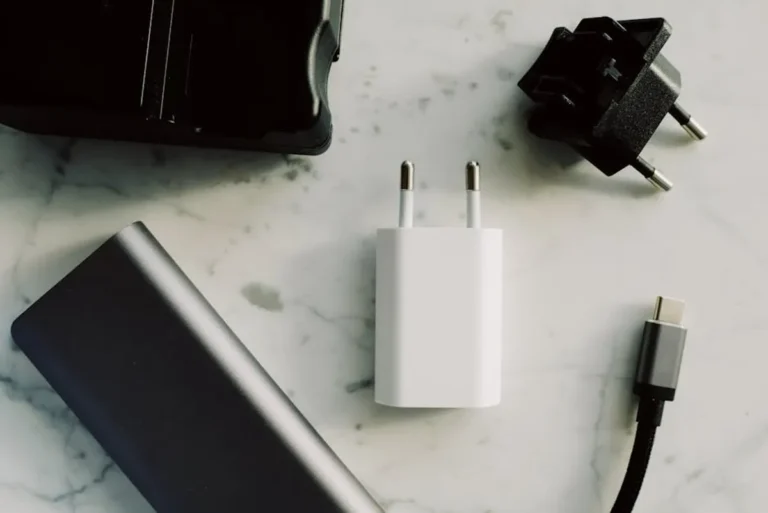
Confirm that essential accessories are included and are either original or high-quality third-party equivalents. This typically includes the power adapter and charging cable. Low-quality chargers can damage devices or pose safety risks. Keep all documentation, including the proof of purchase and warranty information, in case a return or repair is needed.
Your Refurbished Tech Checklist
Before completing any refurbished tech purchase, use this checklist to guide your decision-making and post-delivery inspection:
- Research the seller's independent reputation and reviews.
- Verify the warranty duration and coverage; aim for 90 days minimum.
- Understand the return policy, including timeframe and who pays for shipping.
- Confirm the cosmetic grade matches your expectations.
- Upon arrival, test all ports, cameras, speakers, and connectivity.
- Check battery health for portable devices.
- Ensure the operating system is clean, legitimate, and account-free.
- Verify all essential accessories are included and of good quality.
- Retain all purchase documentation and packaging.
Frequently Asked Questions
Is refurbished tech reliable?
Yes, refurbished tech can be highly reliable, especially when purchased from reputable sellers who adhere to strict inspection and repair protocols, such as manufacturer-refurbished or Certified Pre-Owned programs. The key is thorough seller vetting and product inspection.
What's the difference between refurbished and used?
A "used" item is sold as-is, often with minimal or no inspection or repairs. A "refurbished" item has undergone a process of inspection, testing, and necessary repairs to restore it to a specified working condition, often backed by a warranty.
Should I buy an extended warranty for refurbished tech?
An extended warranty can offer additional peace of mind, particularly for higher-value items or if the standard warranty is short. Evaluate the cost of the extended warranty against the potential repair costs and your risk tolerance. Often, a strong standard warranty from a reputable seller is sufficient.
Can I return refurbished tech if I'm not satisfied?
Most reputable sellers offer a return policy for refurbished tech, typically ranging from 14 to 30 days. Always review the specific return terms before purchasing, including conditions for returns, potential restocking fees, and who covers return shipping costs.