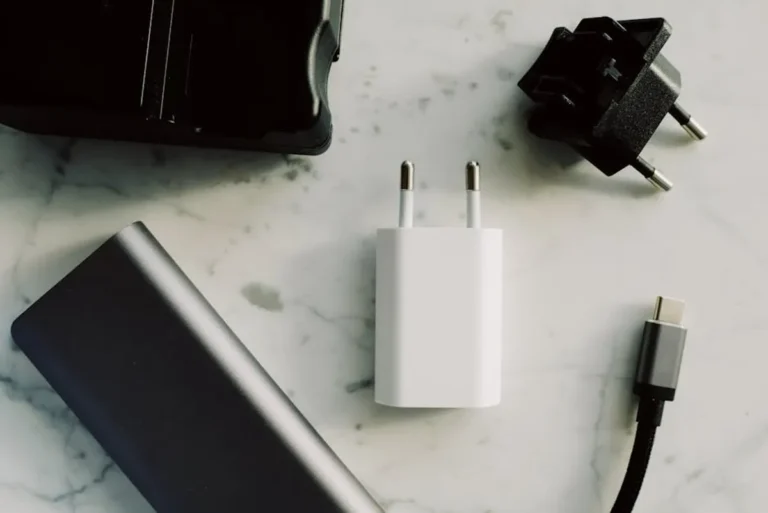

The consumer electronics market is awash with new gadgets, each promising to revolutionize daily life. However, many purchases end up underutilized, gathering dust, or quickly replaced. The challenge isn't merely identifying a "good" gadget, but rather discerning which ones offer genuine utility and integrate meaningfully into your routine. This requires a deliberate shift from impulse buying driven by marketing hype to a strategic evaluation based on personal needs, long-term value, and practical application.
Defining "Useful": Your Personal Criteria
Before considering any specific device, establish a clear understanding of what "useful" means for your individual context. A gadget's utility is subjective; what's indispensable for one user might be superfluous for another. This initial assessment prevents purchases based on generalized recommendations rather than specific requirements.
What Problem Does It Solve?
Every truly useful gadget addresses a specific pain point or enhances an existing process. Articulate the precise function you expect the device to perform. Is it to save time, automate a task, improve communication, enhance productivity, or provide a specific form of entertainment or information? If a gadget doesn't clearly solve an identifiable problem or significantly improve an existing solution, its long-term utility is questionable.
Best for: Identifying core functional gaps in your current setup.
Integration with Your Current Setup
Consider how a new gadget will interact with your existing technology ecosystem. Compatibility is key for seamless operation and avoiding frustration. A device that requires significant changes to your workflow or doesn't communicate with your other devices often creates more friction than convenience. Look for established standards, open APIs, or clear manufacturer support for cross-device functionality.
- Does it use common charging standards (e.g., USB-C)?
- Is it compatible with your operating systems (e.g., iOS, Android, Windows, macOS)?
- Can it connect to your home network or other smart devices?
- Are data transfers and synchronization straightforward?
Durability and Longevity Expectations
A useful gadget is one that remains functional and relevant over time. Assess the build quality, materials used, and the manufacturer's reputation for reliability. Consider the expected lifespan of the device, especially for items with integrated batteries or non-user-replaceable components. Investing in a robust, well-constructed item often proves more cost-effective than repeatedly replacing cheaper, less durable alternatives.
The Research Phase: Moving Past Marketing Claims
Once you've defined your needs, meticulous research is critical to differentiate genuine utility from marketing rhetoric. This phase involves scrutinizing specifications, analyzing diverse feedback, and comparing alternatives.
Analyzing Specifications and Real-World Performance
Specifications provide a technical baseline, but they don't always translate directly to real-world performance. A processor's clock speed or a camera's megapixel count, for instance, offers limited insight without context. Seek out performance benchmarks from independent testing labs and detailed reviews that discuss actual usage scenarios, battery life under typical loads, and responsiveness in various tasks. Focus on how the specifications impact the specific problems you identified earlier.
Leveraging Diverse Reviews and Expert Opinions
Relying on a single source for reviews can be misleading. Consult a variety of professional tech reviewers, industry publications, and user forums. Professional reviews often provide in-depth technical analysis and comparisons, while user reviews offer insights into long-term ownership, common issues, and specific use cases. Pay attention to recurring themes, both positive and negative, across multiple sources. Disregard extreme outliers and focus on the consensus.
Pro Tip: When reading user reviews, filter by "most critical" or "lowest rated" first. This often reveals common design flaws, software bugs, or support issues that might not appear in initial glowing reviews. Understanding potential frustrations upfront helps set realistic expectations.
Comparative Analysis: Feature Sets and Value
Rarely is a gadget entirely unique. Identify its direct competitors and perform a detailed side-by-side comparison of features, performance, and price. Look beyond the headline features to the nuanced differences that impact your specific use case. A slightly more expensive option might offer a critical feature or superior build quality that justifies the cost, providing better long-term value. Conversely, a cheaper alternative might meet 90% of your needs at a fraction of the price, making it the more "useful" choice for your budget.
User Experience and Support: The Long-Term View
A gadget's true utility extends beyond its initial purchase to its day-to-day interaction and the support infrastructure behind it.
Interface Intuition and Learning Curve
An intuitive user interface reduces friction and encourages consistent use. A gadget that requires extensive manual reading or complex setup can quickly become a burden. If possible, try the device in person or watch detailed video demonstrations to assess its ease of use. Consider the learning curve; while some complexity is acceptable for specialized tools, everyday gadgets should be straightforward to operate.
Software Updates and Ecosystem Support
Software is increasingly integral to gadget functionality. Research the manufacturer's track record for providing timely and meaningful software updates, especially for security patches and new features. A device that ceases to receive updates can quickly become obsolete or vulnerable. Furthermore, assess the broader ecosystem: availability of accessories, third-party apps, and community support can significantly extend a gadget's usefulness.
Warranty and Repair Options
Even the most durable gadgets can encounter issues. Understand the warranty coverage, typical repair costs, and the availability of replacement parts. Some manufacturers offer robust repair programs, while others make it difficult or expensive to service their devices, effectively pushing users towards repurchase rather than repair. This factor directly impacts the long-term cost of ownership and the gadget's overall utility.
Avoiding Common Pitfalls in Gadget Acquisition
Mindful purchasing requires recognizing and sidestepping common traps that lead to regrettable gadget choices.
The "Shiny Object" Syndrome
The allure of novelty and cutting-edge technology can be powerful. Resist the urge to buy a gadget simply because it's new, trendy, or aesthetically appealing. Revert to your core needs assessment: does this shiny new item genuinely solve a problem or enhance your life in a tangible way that your current setup does not? Often, the latest iteration offers marginal improvements over its predecessor, making an upgrade unnecessary for most users.
Overpaying for Unused Features
Manufacturers often pack devices with a multitude of features, many of which remain unused by the average consumer. Identify the specific features you will consistently use and prioritize those. Paying a premium for advanced functionalities that you rarely or never access diminishes the gadget's value proposition. A simpler, more focused device might offer superior utility for your actual requirements.
Ignoring the Total Cost of Ownership
The sticker price is only one component of a gadget's cost. Consider ongoing expenses such as subscriptions, proprietary accessories, replacement parts, and potential repair costs. A seemingly inexpensive gadget might require expensive consumables or subscription services that inflate its long-term cost, making a more expensive but self-sufficient alternative more useful in the long run.
Making Your Gadget Investment Count
Choosing gadgets that are genuinely useful involves a disciplined approach. Begin by clearly defining your needs, then engage in thorough research that goes beyond marketing hype. Evaluate how a device integrates into your existing life, its long-term reliability, and the support ecosystem. By focusing on practical utility, user experience, and total cost of ownership, you can make informed decisions that result in purchases that truly enhance your daily life, rather than becoming expensive ornaments.
Frequently Asked Questions
How can I avoid impulse gadget purchases?
Implement a "cooling-off" period. Once you identify a gadget you're interested in, wait at least 24-48 hours before purchasing. Use this time to research alternatives, read diverse reviews, and re-evaluate if the gadget truly aligns with your defined needs and problem-solving criteria.
Is it always better to buy the latest model?
Not necessarily. The latest model often carries a premium for incremental improvements. Previous generations can offer significant savings while still providing excellent performance and features that meet most users' needs. Evaluate the specific enhancements of the new model against your requirements and budget.
How do I know if a gadget will be supported long-term?
Research the manufacturer's history with software updates and product longevity. Brands with a consistent track record of providing multiple years of software support and readily available repair services or parts are generally a safer bet for long-term utility.