
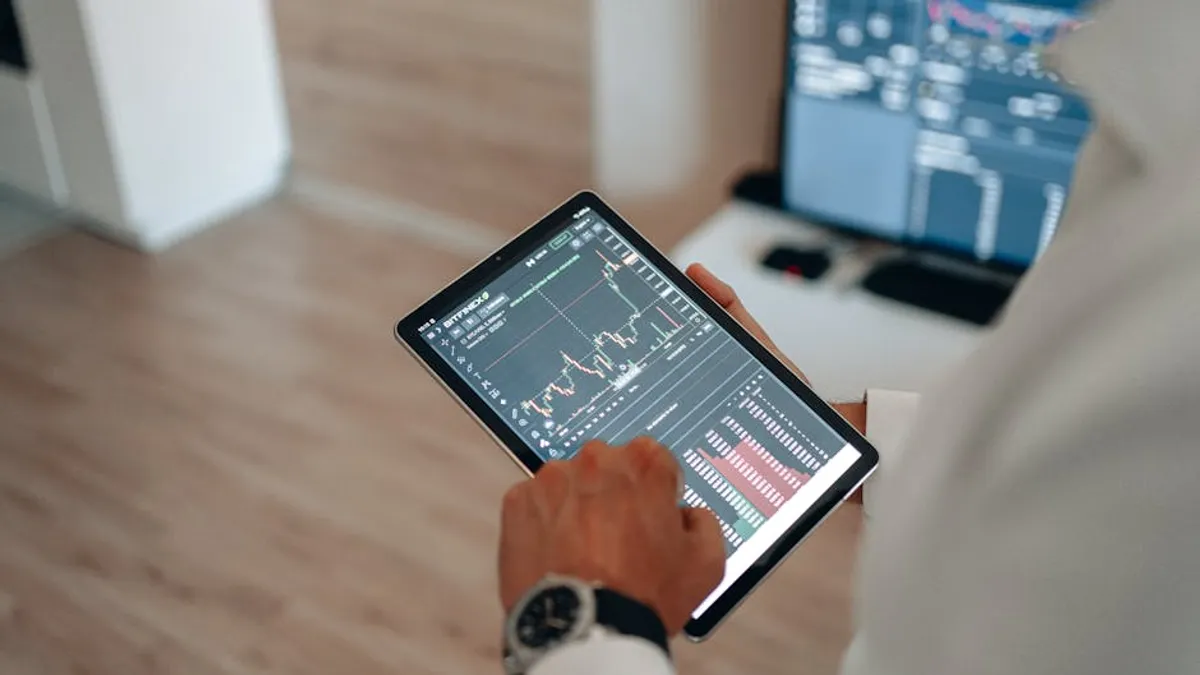
The tablet market, once a clear-cut segment between smartphones and laptops, has evolved into a diverse landscape. Newest tablets are not simply larger phones; they often represent a convergence of mobile convenience with desktop-level processing power and specialized input methods. For professionals tracking digital trends, content consumption patterns, or device performance, understanding these new entrants is crucial. These devices shape how users interact with digital content, influence app development priorities, and dictate expectations for mobile-first experiences.
Defining the Latest Tablet Innovations
Identifying what makes a tablet "new" extends beyond its release date. It encompasses significant advancements in core components and user experience. The latest generation of tablets often features:
- Advanced Processors: Integration of desktop-class chip architectures, enabling complex applications, demanding multitasking, and efficient handling of high-resolution media.
- Superior Display Technology: Adoption of Mini-LED or OLED panels, offering increased brightness, deeper blacks, wider color gamuts, and higher refresh rates for smoother visuals.
- Enhanced Accessory Ecosystems: Improved stylus responsiveness with features like hover functionality and haptic feedback, alongside more capable keyboard attachments that transform tablets into laptop-like workstations.
- Software Optimizations: Operating systems are increasingly tailored for tablet form factors, providing robust multitasking features, improved external display support, and more desktop-like file management.
- Connectivity Upgrades: Inclusion of Wi-Fi 6E or Wi-Fi 7, and 5G cellular options, ensuring faster and more reliable network access for cloud-based workflows and streaming.
These elements collectively push the boundaries of what a tablet can accomplish, moving them beyond mere content consumption devices into powerful tools for creation and productivity.
High-Performance Tablets for Demanding Workflows
The premium segment of the tablet market now offers devices that directly challenge traditional laptops in performance and capability. These tablets are characterized by their powerful chipsets, often custom-designed by the manufacturer, which deliver exceptional processing power for tasks such as 4K video editing, 3D rendering, and professional-grade graphic design.
Key Differentiators:
- Processing Power: Equipped with chipsets that rival or exceed performance of many ultrabooks, facilitating smooth operation of resource-intensive applications.
- Display Quality: Typically feature high-resolution Mini-LED or OLED displays with high peak brightness and ProMotion (adaptive refresh rate) technology, crucial for color-accurate work and immersive media.
- Professional Software Support: Capable of running full versions of creative suites and specialized applications, often optimized for touch and stylus input.
- Robust Accessory Integration: Designed with tightly integrated smart connectors for full-sized keyboards with trackpads, and advanced styluses offering precise control and low latency.
These devices are particularly relevant for professionals in creative industries, development, or anyone requiring a portable powerhouse that can seamlessly transition between touch-first interaction and a more traditional desktop experience.
Versatile Mid-Range Tablets for Balanced Use
For users seeking a balance between performance, display quality, and cost, the mid-range tablet sector offers compelling options. These devices often inherit features from their premium counterparts but at a more accessible price point, making them ideal for a broader audience.
Best for: General productivity, advanced media consumption, casual gaming, and educational purposes.
Mid-range tablets typically feature bright LCD or entry-level OLED displays, capable processors for smooth daily operation, and support for first-party or third-party styluses and keyboards. While they might not match the raw power or specialized features of high-end models, they provide a highly functional and enjoyable user experience for a wide array of tasks, from video conferencing to content creation and robust web browsing. Their appeal lies in delivering significant value without compromise on essential performance.
Specialized and Value-Oriented Tablets
Beyond the mainstream, a segment of new tablets focuses on specific use cases or offers exceptional value. These can include devices optimized for e-reading with specialized displays, rugged tablets for field work, or entry-level models designed for basic media consumption and web browsing.
Key Considerations:
- Targeted Functionality: Features are often streamlined to excel at a particular task, such as battery life for extended reading or durability for harsh environments.
- Cost-Effectiveness: These tablets prioritize affordability, making them suitable for users with specific, less demanding needs or as secondary devices.
- Ecosystem Integration: Some value-oriented tablets are deeply integrated into specific content ecosystems, offering seamless access to digital libraries or streaming services.
Understanding these specialized options allows for precise device selection, ensuring that investment aligns directly with primary intended use without overspending on features that won't be utilized.
Pro Tip: When evaluating the newest tablets, consider the long-term software support commitment from the manufacturer. A device with a robust update policy ensures continued access to new features, security patches, and compatibility with evolving applications, significantly extending its useful lifespan and protecting your investment.
Strategic Tablet Acquisition
The newest tablets offer compelling advancements across performance, display technology, and software integration. For businesses and individuals, the strategic acquisition of these devices hinges on aligning their capabilities with specific operational requirements and user expectations. Evaluate not just the raw specifications, but also the ecosystem support, long-term update potential, and how the device integrates with existing workflows. The right tablet can enhance productivity, facilitate creative endeavors, and optimize content delivery, making it a critical component of a modern digital toolkit.
Frequently Asked Questions
What constitutes a "new" tablet beyond its release date?
A "new" tablet typically incorporates significant technological advancements such as desktop-class processors, Mini-LED or OLED displays, improved stylus and keyboard accessories, and operating system optimizations for enhanced multitasking and productivity.
How do advancements in tablet technology impact content consumption and digital strategy?
Improved tablet capabilities lead to higher user expectations for rich media, interactive content, and seamless app performance. This drives demand for optimized websites, sophisticated mobile applications, and high-resolution content, influencing SEO, content marketing, and user experience design.
Are tablets replacing traditional laptops for professional use?
While high-performance tablets with robust accessory ecosystems can handle many professional tasks, they are often seen as complementary rather than direct replacements. Their portability and touch/stylus input excel in specific creative or field-based workflows, but laptops often retain an edge for sustained, complex computing tasks requiring traditional input methods.
What key specifications should be prioritized when evaluating new tablets for professional use?
Prioritize processor power for demanding applications, display quality (resolution, color accuracy, refresh rate) for visual work, RAM capacity for multitasking, and storage speed. Also, consider battery life, port selection, and the quality of first-party accessories like styluses and keyboards.