
Students entering higher education or specialized programs in 2026 face a distinct set of technological demands. The landscape of academic work, collaborative projects, and digital resource consumption continues to evolve, making strategic device selection a critical component of academic and professional preparation. This is not merely about acquiring a gadget; it's about investing in a foundational toolset that directly impacts productivity, learning efficiency, and long-term utility. Understanding the specific capabilities and limitations of various device categories, alongside their core specifications, allows for informed decisions that support diverse educational pathways without overspending on unnecessary features or under-equipping for essential tasks.
Core Device Categories for Academic Success
The primary digital tools for students generally fall into a few key categories, each serving distinct use cases and offering specific advantages. The optimal choice often involves a combination or a single versatile device, depending on the field of study and personal workflow.
High-Performance Laptops
Laptops remain the central computing platform for most students due to their full operating system functionality, robust processing power, and extensive software compatibility. For 2026, the emphasis shifts towards efficiency and integrated capabilities. Students in STEM fields, graphic design, or video editing will require machines with dedicated graphics processing units (GPUs), multi-core processors (e.g., Intel Core Ultra 7/9, AMD Ryzen 7/9, or Apple M-series Pro/Max chips), and ample RAM (32GB minimum for intensive tasks). General studies, humanities, or business students can often thrive with more portable, energy-efficient models featuring integrated graphics and 16GB of RAM, prioritizing battery life and lightweight design for campus mobility.
Versatile Tablets and 2-in-1s
Tablets and convertible laptops (2-in-1s) occupy a valuable niche, bridging the gap between portability and functionality. Devices with active stylus support are indispensable for note-taking, sketching, and annotating digital textbooks, particularly for art, architecture, and medical students. The ability to switch between laptop and tablet modes offers flexibility for both focused writing and interactive learning. Look for models with high-resolution, low-latency displays and robust app ecosystems that integrate seamlessly with cloud storage and productivity suites. Screen size, typically 11-13 inches, balances portability with usable workspace for split-screen multitasking.
Specialized E-Readers
While often overlooked, dedicated e-readers offer significant advantages for students with heavy reading loads, especially in humanities or law. Their E Ink screens reduce eye strain during prolonged reading sessions and boast multi-week battery life. Integration with academic databases and PDF annotation features can streamline research and review processes. These devices complement, rather than replace, laptops or tablets, by providing a focused, distraction-free reading environment.
Essential Peripherals
- External Storage: Portable SSDs (Solid State Drives) with 1TB or more capacity are crucial for backing up coursework, large media files, and project assets, offering faster transfer speeds than traditional HDDs.
- Ergonomic Keyboard and Mouse: For extended study sessions, a comfortable external keyboard and mouse reduce strain and improve typing efficiency, particularly for laptop users.
- Noise-Canceling Headphones: Essential for focused study in busy environments, effective noise-canceling headphones improve concentration and reduce distractions.
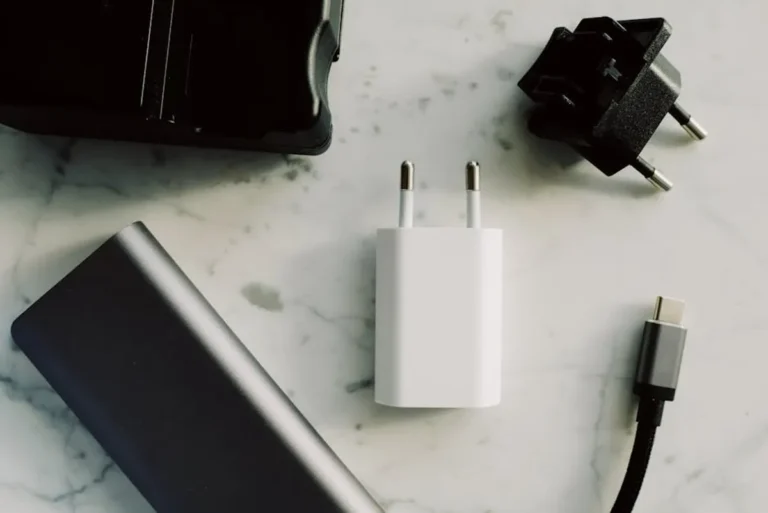
- Portable Power Bank: A high-capacity power bank ensures devices remain charged during long days on campus or during travel, mitigating reliance on wall outlets.
Key Features Driving Student Productivity
Beyond the device category, specific technical specifications directly influence a student's ability to perform academic tasks efficiently. Prioritizing these features ensures the device remains relevant and capable throughout an academic program.
Processor (CPU): Determines raw computational power. For demanding applications (CAD, statistical analysis, video editing), multi-core processors with high clock speeds are necessary. For general productivity, a modern mid-range processor offers ample performance.
Random Access Memory (RAM): Directly impacts multitasking capabilities. 16GB is a practical minimum for smooth operation with multiple browser tabs, applications, and documents open simultaneously. 32GB is recommended for intensive workloads.
Storage (SSD): Solid State Drives are non-negotiable for speed and responsiveness. A minimum of 512GB is advisable, with 1TB or more preferred for students handling large datasets, software installations, or media files. NVMe SSDs offer superior performance over SATA SSDs.
Battery Life: Critical for campus mobility. Aim for devices offering 8-10+ hours of real-world usage on a single charge to avoid constant searching for power outlets.
Connectivity: Wi-Fi 6E or Wi-Fi 7 ensures fast, reliable wireless internet access. USB-C with Thunderbolt 4 or USB4 provides versatile, high-speed connections for external displays, storage, and charging, simplifying cable management.
Display Quality: A high-resolution display (e.g., 1920x1080 or higher) with good color accuracy reduces eye strain and improves readability of text and visual content. Touchscreen and stylus support add interactivity.
Security Features: Biometric authentication (fingerprint reader, facial recognition) enhances device security and streamlines login processes, protecting sensitive academic work.
Operating System (OS): The choice between Windows, macOS, or ChromeOS often depends on specific software requirements for a major and personal preference. Compatibility with required academic software is paramount.
Pro Tip: Before committing to any device, verify the software requirements for your specific academic program or courses. Some disciplines mandate particular operating systems or resource-intensive applications that dictate hardware specifications, preventing compatibility issues or performance bottlenecks later.
Future-Proofing Your Device Investment
Given the rapid pace of technological advancement, selecting a device that offers longevity and adaptability is economically prudent. Consider factors that extend the usable lifespan and maintain relevance.
Longevity and Build Quality: Devices constructed with durable materials (aluminum, magnesium alloys) and robust hinges withstand the rigors of daily student life. Check for MIL-STD certifications for enhanced durability.
Upgradeability: While many modern devices feature soldered components, some laptops still allow for RAM or SSD upgrades. This can extend a device's useful life and adapt it to increasing performance demands.
Ecosystem Compatibility: Consider how a new device integrates with existing tools, cloud services, and peripherals. Seamless interoperability reduces friction and enhances workflow efficiency.
Strategic Device Selection for Different Disciplines
The "best" device is highly contextual, varying significantly across academic fields.
Engineering and Computer Science: Requires powerful CPUs, ample RAM (32GB+), and potentially dedicated GPUs for CAD, simulation, or coding environments. A robust laptop is the primary tool.
Art and Design: High-resolution, color-accurate displays, stylus support, and strong graphics performance are critical. Tablets or 2-in-1s excel for digital art, while powerful laptops handle demanding design software.
Humanities and Social Sciences: Prioritize portability, long battery life, comfortable keyboards for extensive writing, and sufficient storage for research materials. Lightweight laptops or versatile 2-in-1s are ideal.
Medical and Health Sciences: Devices capable of running specialized diagnostic software, secure data handling, and often requiring stylus input for annotation. Reliability and robust security features are key.
Maximizing Value and Longevity
Making a device last involves more than just initial selection. Regular software updates, diligent backup practices, and protective accessories contribute significantly to extending a device's life and maintaining its performance. Investing in a quality carrying case, screen protector, and perhaps an extended warranty can mitigate common risks associated with student mobility. Furthermore, understanding basic troubleshooting and maintenance can prevent minor issues from escalating into costly repairs.
Frequently Asked Questions
What is the most crucial specification for a student laptop?
While all specifications are important, 16GB of RAM and a 512GB NVMe SSD provide the most impactful boost to general productivity and system responsiveness for the majority of academic tasks.
Should I buy a tablet or a laptop for university?
A laptop offers full operating system functionality and broader software compatibility, making it the primary device for most. A tablet is an excellent secondary device for note-taking and reading, or a primary device for specific creative fields when paired with a keyboard.
How much storage do students typically need?
A minimum of 512GB SSD is recommended for the operating system and essential software. Students handling large media files, coding projects, or extensive research data should aim for 1TB or more, supplemented by cloud storage and external drives.
Is it worth investing in a device with a dedicated graphics card?
Only if your field of study or extracurricular activities involve demanding graphical tasks such as 3D rendering, video editing, gaming, or advanced scientific simulations. For general academic work, an integrated graphics solution is sufficient and more energy-efficient.