Entering the smart home market can feel like navigating a complex landscape of devices, protocols, and competing ecosystems. For those new to smart device integration, a strategic approach focuses on foundational components that deliver immediate utility, simplify daily routines, and provide a clear path for future expansion. Understanding these core devices first helps in making informed decisions, avoiding compatibility pitfalls, and building a functional smart environment without unnecessary complexity or expense. Understanding these foundational components of a smart home first helps in making informed decisions, avoiding compatibility pitfalls, and building a functional smart environment without unnecessary complexity or expense.
Smart Hubs and Voice Assistants: The Central Command
At the core of many smart homes are hubs or voice assistants, acting as the central nervous system. These devices connect various smart products, translating commands and enabling automation routines. They consolidate control, allowing you to manage multiple devices from a single interface or through voice commands.
Smart Hubs: Dedicated hubs (e.g., those supporting Zigbee or Z-Wave protocols) offer robust, local processing capabilities, often allowing devices to communicate even without an internet connection. This can enhance reliability and response times. They are typically chosen for their ability to bridge different communication standards, unifying a diverse range of devices under one control scheme.
Voice Assistants: Devices like smart speakers often double as basic smart home controllers. They excel at voice-activated commands, scheduling, and simple automations. While convenient, their primary communication method is often Wi-Fi, which can limit their direct compatibility with some non-Wi-Fi smart devices without additional bridges or hubs. For beginners, a smart speaker with integrated assistant capabilities provides a low-barrier entry point into voice control and basic device management. For beginners, a smart speaker with integrated assistant capabilities provides a low-barrier entry point into voice control and basic device management, though you might need additional smart home hubs for broader compatibility.
Pro Tip: Before committing to any smart device, research its compatibility with your chosen smart home ecosystem (e.g., Amazon Alexa, Google Home, Apple HomeKit). Mixing ecosystems without a robust central hub often leads to fragmented control and reduced automation capabilities, making setup and daily use more frustrating than convenient.
Smart Lighting: Visible Impact and Energy Efficiency
Smart lighting is a highly accessible and impactful entry point into smart home technology. It offers immediate, tangible benefits in convenience, ambiance, and energy management.
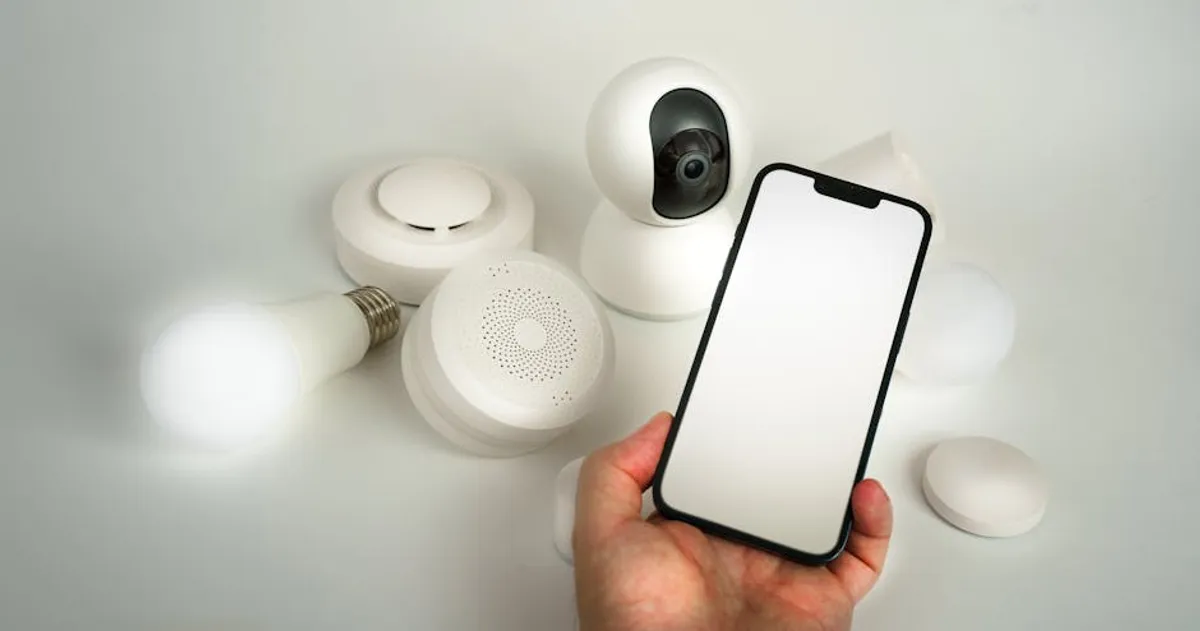
- Smart Bulbs: These replace existing bulbs and connect directly to your Wi-Fi or a hub. They offer remote control, dimming, scheduling, and often color-changing capabilities. They are ideal for renters or those wanting to start with minimal installation.
- Smart Switches: Replacing a standard light switch, these control an entire fixture or room's lighting. They are a more permanent solution, often preferred for controlling multiple lights simultaneously and maintaining wall switch functionality for all users.
- Smart Light Strips: Flexible and adhesive, these add accent lighting to shelves, cabinets, or behind TVs, offering dynamic color and scene options for atmospheric effects.
Commercial Justification: Smart lighting can reduce energy consumption through scheduled operation, motion sensing, and automated dimming. The ability to create specific lighting scenes can also enhance comfort and productivity in various settings, from home offices to retail displays.
Smart Plugs: Simple Automation for Existing Devices
Smart plugs are perhaps the simplest and most cost-effective way to introduce smart capabilities to non-smart appliances. These small adapters plug into a standard wall outlet, and then your traditional device plugs into the smart plug.
Functionality: Once connected to your smart home system, smart plugs allow you to remotely turn devices on or off, set schedules, and in some cases, monitor energy usage. This transforms ordinary lamps, fans, coffee makers, or holiday lights into smart, controllable devices.
Best for: Automating non-essential appliances, creating schedules for devices that don't need to be on constantly, or adding remote control to items without integrated smart features. Their low cost and ease of installation make them excellent for beginners to experiment with smart home concepts without significant investment.
Entry-Level Smart Security: Basic Monitoring and Awareness
For beginners, smart security often starts with simple monitoring devices that provide peace of mind and basic awareness without the complexity of a full alarm system.
Door/Window Sensors: These small, two-piece devices attach to doors or windows and notify you via your smart home app if they are opened or closed. They can trigger automations, such as turning on lights when a door opens or sending an alert if a window is left ajar. They offer a fundamental layer of awareness for entry points.
Indoor Cameras: Basic indoor smart cameras provide live video feeds, motion detection alerts, and often two-way audio. They are useful for checking in on pets, children, or simply monitoring a space while you're away. For beginners, focus on models with straightforward setup and clear integration with your chosen smart home ecosystem.
Commercial Justification: These devices provide foundational security insights, allowing for proactive monitoring and immediate alerts regarding property access or activity. The data collected can inform security protocols and resource allocation.
Smart Thermostats: Climate Control and Energy Savings
Smart thermostats offer more than just remote temperature adjustment; they provide intelligent climate control that can lead to significant energy savings and enhanced comfort.
Key Features:
- Remote Control: Adjust your home's temperature from anywhere via a smartphone app.
- Scheduling: Create custom heating and cooling schedules based on your daily routine.
- Learning Capabilities: Some models learn your preferences and adjust automatically over time.
- Geofencing: Automatically adjust temperature based on your proximity to home.
- Energy Reporting: Provide insights into your energy usage, helping identify areas for optimization.
Commercial Justification: Beyond comfort, smart thermostats offer measurable ROI through reduced heating and cooling costs. Their data-driven insights into energy consumption can be leveraged for efficiency planning and sustainability initiatives in larger property management contexts.
Strategic Next Steps for Smart Home Integration
When embarking on smart home integration, a methodical approach yields the best results. Start by identifying a specific pain point or area for improvement in your environment, then research devices that directly address that need and integrate seamlessly with your chosen foundational ecosystem. Prioritize devices that offer clear utility and straightforward installation. As you gain familiarity, gradually expand your system, building on the initial successes and leveraging the interoperability of your chosen platform. This approach ensures a functional, scalable, and commercially viable smart home deployment.
Frequently Asked Questions
What is the single most important smart home device for a beginner?
The most important device is typically a smart hub or a smart speaker with integrated voice assistant capabilities, as it provides the central control and automation foundation for all other devices.
Is a dedicated smart home hub always necessary?
No, many smart devices can connect directly via Wi-Fi and be controlled through their own apps or basic voice assistants. However, a dedicated hub often improves reliability, enables more complex automations, and allows for integration of devices using different communication protocols like Zigbee or Z-Wave.
Can smart home devices genuinely reduce household energy costs?
Yes, devices like smart thermostats, smart lighting, and smart plugs can significantly reduce energy consumption by enabling precise scheduling, remote control, and energy monitoring, preventing unnecessary power usage.
What are the primary privacy concerns with smart home technology?
Primary concerns include data collection by manufacturers, potential for unauthorized access, and the security of personal information. It is crucial to choose reputable brands, use strong, unique passwords, and understand the privacy policies of the devices and services you use.